National Dish Bulgaria: Gyuvech (Recipe)
In this article
Discover Gyuvech, the hearty stew at the heart of Bulgaria’s table. Tender meat, sun-ripened vegetables and warm spices are slowly cooked together until every ingredient tastes of the one beside it. Traditionally baked in a glazed clay pot, this is food made for sharing, equally at home at a relaxed family supper or a festive gathering. One spoonful, and you have a genuine taste of Bulgarian culture.
About Gyuvech
Gyuvech is a robust Turkish-Bulgarian stew made with a generous mix of vegetables and meat. What sets it apart is its sheer versatility and its reliance on fresh, local produce. Traditionally it is cooked in a special clay pot, which deepens the flavour and ensures everything cooks gently and evenly. Aromatic herbs and spices turn the finished dish into a real treat, and its rustic, unfussy character places it firmly alongside classics such as Kavarma.
Ingredients (serves 1–2)
- 300 g beef or chicken breast
- 2 large potatoes
- 1 pepper
- 1 courgette
- 1 onion
- 2 cloves of garlic
- 2 large tomatoes
- 1 tsp paprika powder
- 1 tsp dried oregano
- Salt and pepper to taste
- Olive oil
- Fresh parsley, to garnish
Shopping for the ingredients
For a good gyuvech it is important to use fresh ingredients, as these carry the full aroma of the dish. Most of what you need is easy to find in an ordinary supermarket. A few special herbs or Bulgarian specialities are best sought out in Eastern European or Middle Eastern grocery shops. It pays to check the quality carefully, particularly with the meat and the vegetables, since these determine the final result more than anything else.
Preparing the dish
Before you start cooking, wash and prepare all the ingredients thoroughly. Cut the vegetables into evenly sized pieces so that everything cooks at the same rate. The meat should be cut into small cubes, which shortens the cooking time considerably. You can choose whichever onion you prefer, red and yellow onions each bring a slightly different character to the pot.
Step-by-step instructions
- Heat the olive oil in a large pot and fry the diced onion and chopped garlic until translucent.
- Add the meat and brown it on all sides.
- Add the remaining vegetables and stir everything together well.
- Stir in the diced tomatoes and the spices, then cook over medium heat for about 5 minutes.
- Pour in enough water to cover the ingredients and put on the lid.
- Let the gyuvech simmer over low heat for 45 minutes, until the meat is tender.
- Garnish with fresh parsley and serve piping hot.
Gluten-free / lactose-free version
Gyuvech is naturally gluten-free and lactose-free, as it contains no gluten-bearing ingredients of its own. Do check, however, that any spice blends and stocks you use are also free from gluten. For a reliably lactose-free result, simply choose a lactose-free stock. That way the dish stays every bit as flavourful while remaining suitable for anyone with food intolerances.
Tips for vegans and vegetarians
For a vegan or vegetarian gyuvech, replace the meat with chickpeas or lentils. These protein alternatives keep the dish just as nourishing as the original. You can also simply add extra vegetables or mushrooms for more flavour and a satisfying texture. Use vegetable stock rather than meat stock. It is widely available, and easy enough to make yourself if you prefer.
More tips and tricks
To intensify the aroma of your gyuvech, marinate the vegetables and meat in the spices before you begin cooking. Leave the mixture to rest in the fridge for at least half an hour so the flavours can develop. A pinch of sugar helps to balance the acidity of the tomatoes. For an even richer sauce, add a splash of red wine to the pot before you pour in the water.
Adapting the recipe to your taste
Gyuvech is an extremely adaptable dish. Depending on what you enjoy, try different vegetables such as aubergine, carrots or asparagus. The spicing can be adjusted just as freely, so you are welcome to experiment until you find your perfect flavour profile. A little chilli makes the stew hotter, while stuffed vegetables in the style of Palneni Chushki show just how flexible this style of cooking can be.
Ingredient substitutions
If you do not have every ingredient to hand, similar products will serve you well. Beef can be replaced with chicken or tofu without losing the character of the stew. Sweet potatoes are a wonderful alternative to ordinary potatoes and lend the dish a gentle sweetness. The herbs are equally forgiving, fresh basil or thyme both work nicely, depending on what is available.
Drink pairing ideas
A robust gyuvech is best matched with full-bodied wines, such as a good Bulgarian red. A cool lager also complements the flavours beautifully. If you would rather stay alcohol-free, a refreshing grape juice or a mineral water with lemon lightens the spicing pleasantly, and a strong fruit brandy such as Rakiya is the traditional choice before the meal. Herbal teas are another fine option to round things off.
Serving and presentation ideas
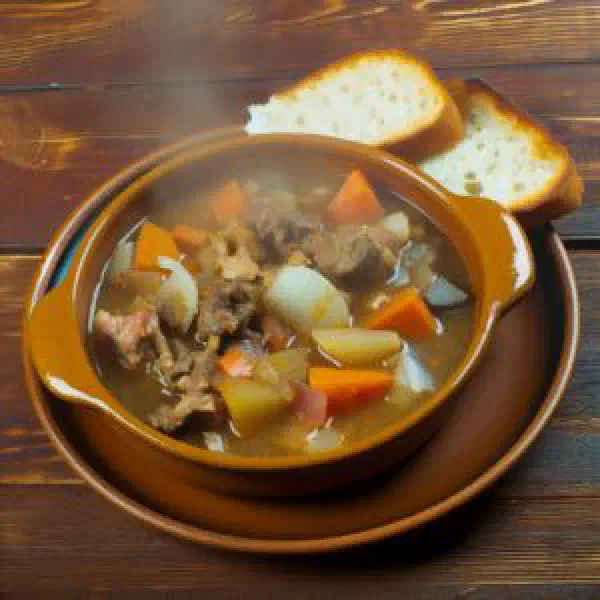
Gyuvech can be brought straight to the table in its clay pot, which is both traditional and highly appealing. A colourful garnish of parsley or other fresh herbs gives the dish its finishing touch. Serve freshly baked bread alongside for mopping up the sauce, and a crisp Shopska Salata to cut through the richness. Brightly coloured tableware makes the most of the many vegetables in the pot.
A bit of history
Gyuvech has its roots in Ottoman and Bulgarian cooking and is a symbol of regional culinary tradition. Its name comes from the traditional clay pot in which it is prepared. Historically the dish was served at celebrations and remains part of the collective memory of Bulgarian food culture. It speaks of fresh, regional ingredients and the pleasure of eating together, values that run right through Bulgarian cuisine.
More recipe ideas
Summary: Gyuvech
Gyuvech is a delicious, traditional Bulgarian dish distinguished by its variety and its deep, savoury flavour. This stew adapts easily to suit every preference. Prepared with fresh ingredients, it is a perfect choice for shared meals with friends and family. This hearty dish brings not only the flavours of Bulgaria to your table, but a piece of its culture and tradition too.