National Dish Bulgaria: Kapama (Recipe)
In this article
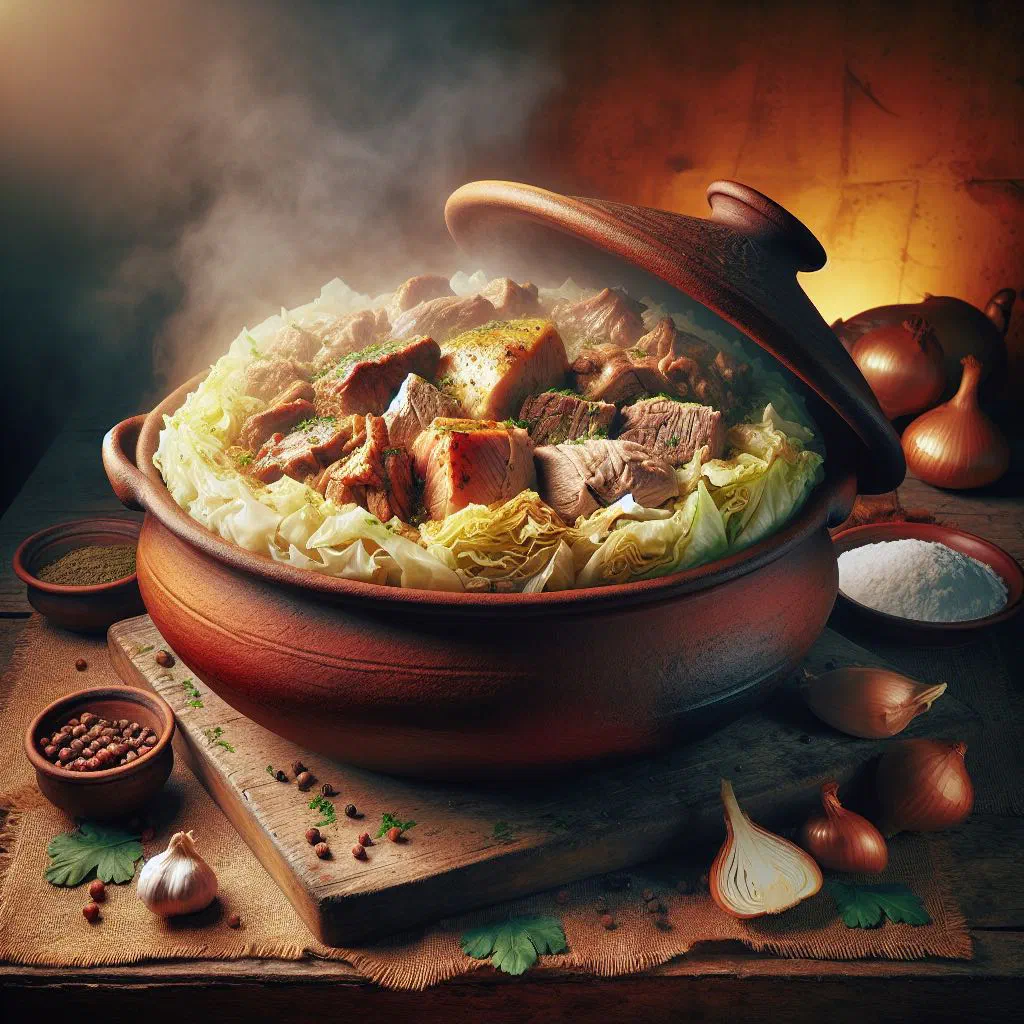
Meet Kapama, the slow-simmered stew that Bulgarians bring out when the weather turns cold and the family table fills up. Tender meat, well-seasoned rice and a generous handful of warming spices cook down together into something far greater than the sum of its parts. It is a dish built for festive occasions and long, unhurried meals, and it carries all the hospitality that Bulgarian home cooking is famous for.
About Kapama
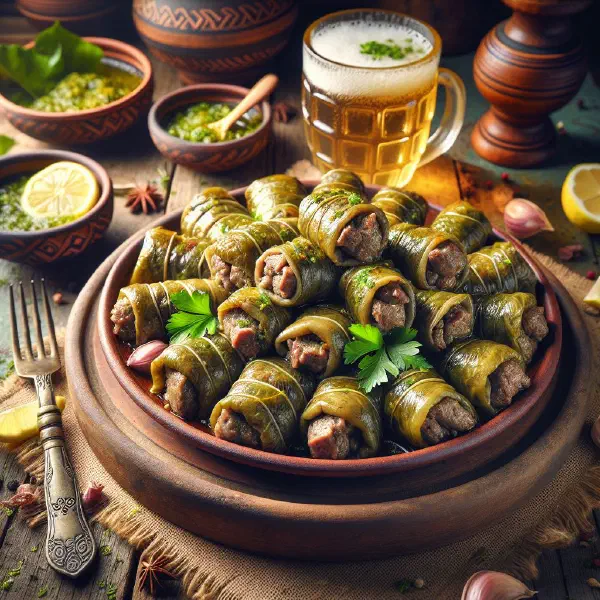
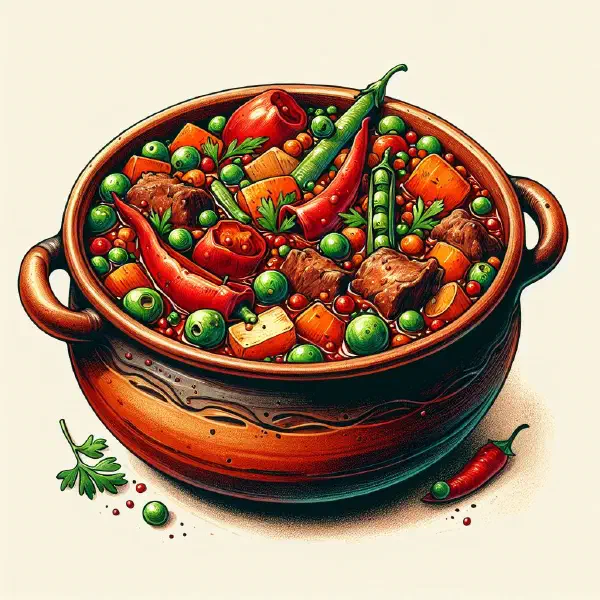
Kapama is a traditional Bulgarian national dish, cooked above all in the cooler months of the year. It is a hearty stew of tender meat, well-spiced rice and a whole range of aromatic seasonings. The way the ingredients come together creates an unmistakable aroma that, for many people, is Bulgarian cooking in a single mouthful. At celebrations and family gatherings kapama is a firm favourite, a dish bound up with hospitality and tradition.
Ingredients (serves 1–2)
- 300 g meat (pork, beef or chicken)
- 150 g rice
- 1 large onion
- 2–3 cloves of garlic
- 1–2 peppers
- 500 ml stock (meat or vegetable)
- 2–3 tablespoons tomato purée
- Oil, for frying
- Spices (paprika, cumin, black pepper)
- Fresh herbs (parsley or dill)
Shopping for the ingredients
When shopping for kapama, quality really counts. The meat should be fresh and well marinated to give you the best possible flavour. It is worth visiting local markets where you can support regional producers and pick up better produce at the same time. Fresh herbs matter too. They lift the finished dish with an extra layer of aroma that dried alternatives simply cannot match.
Preparing the dish
Getting kapama ready is straightforward enough, though it does take a little time for the flavours to develop fully. Start by cutting the meat into small pieces and finely chopping the onion and garlic. The peppers can be sliced into strips, and the rice should be rinsed beforehand to wash away excess starch. These steps matter: they ensure the dish cooks evenly and that the flavours harmonise properly in the pot.
Step-by-step instructions
- Heat the oil in a large pan and brown the meat until golden.
- Add the onion and garlic and sweat them briefly.
- Stir in the peppers and tomato purée and fry for a few minutes.
- Add the rice and mix well so it takes on the flavours.
- Pour in the stock and bring the dish to the boil.
- Season to taste and simmer over a low heat for 30–40 minutes, until the rice is cooked through.
- Garnish with fresh herbs before serving.
Gluten-free / lactose-free version
Kapama is easy to prepare gluten-free and lactose-free. For the gluten-free version, use a certified gluten-free rice or swap in quinoa instead. Just make sure none of the other ingredients, stock cubes in particular, carry hidden gluten. The dish is naturally lactose-free in any case, so plant-based stock and oil work perfectly well without any loss of flavour.
Tips for vegans and vegetarians
Vegans and vegetarians can adapt kapama by replacing the meat with plant-based alternatives. Courgette, aubergine or tofu all make excellent substitutes and hold up well to the long simmer. Take care to use vegetable stock rather than a meat-based one. The spicing stays exactly the same, which is what keeps the vegan version every bit as full-flavoured as the original, much like a good Palneni Chushki made without meat.
More tips and tricks
To deepen the flavour of kapama, let the finished dish rest overnight in the fridge and reheat it the next day. A spice blend of traditional Bulgarian seasonings added towards the end refines the aroma nicely. If you like, a splash of red wine in the stock adds real depth. Do experiment with different additions until the recipe matches your own taste exactly.
Adapting the recipe to your taste
The sheer range of ingredients makes kapama easy to vary. Add extra vegetables such as carrots or celery to boost the nutritional value. Anyone who likes heat can work in chilli or hot peppers. And for an even heartier result, combine several kinds of meat to create a more interesting texture, the same generous approach you find in a Meshana Skara mixed grill.
Ingredient substitutions
If you do not have every ingredient to hand, there are plenty of alternatives. Barley or couscous work well in place of rice and give the dish an equally satisfying base. With the spices, feel free to experiment with herb blends that shift the flavour without much effort. The meat can be swapped for seitan-based products or lentils to give you a meat-free option.
Drink pairing ideas
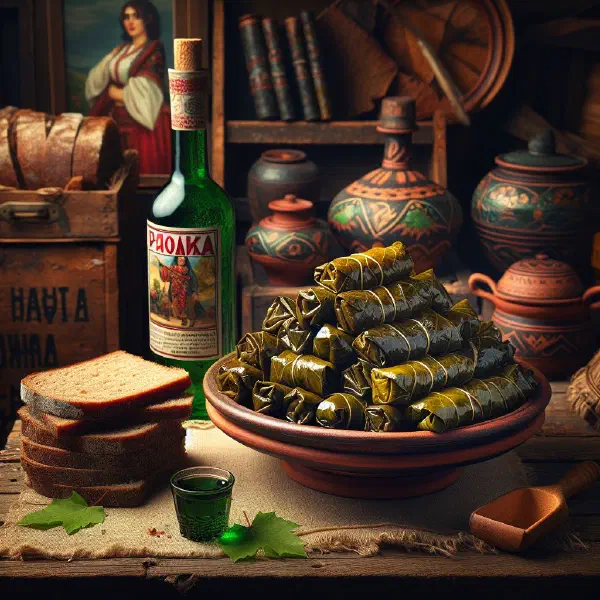
Bulgarian wines are a particularly good match for kapama and underline the flavours of the dish. A vermouth or a lighter red wine harmonises beautifully with the stew’s savoury character, while a small glass of Rakiya is the traditional way to open a festive meal. For anyone who prefers something alcohol-free, a freshly pressed juice or a flavoured water rounds off the experience nicely.
Serving and presentation ideas
Presentation can make a real difference to kapama. Serve it in one large bowl for sharing, or in individual portions for a more formal table. Decorate with fresh herbs and a little lemon zest for a flash of colour. Wooden boards or rustic plates lend the dish a traditional charm that suits Bulgarian eating culture perfectly, especially alongside a crisp Shopska Salata.
A bit of history
Kapama has its origins in Bulgarian farming culture and has long been regarded as a feast dish for special occasions. The combination of meat and rice symbolised prosperity and fertility, a theme that recurs throughout the region’s traditional cooking. Over the years kapama became an integral part of Bulgarian holiday cooking, prepared for feast days and festive gatherings. The many regional versions of the recipe show just how varied Bulgarian cuisine really is.
More recipe ideas
Summary: Kapama
Kapama is a delicious Bulgarian national dish that wins people over with its intense aromas and its hearty, unhurried preparation. It is ideal for sociable occasions and offers a wonderful way into Bulgarian food culture. Because the recipe adapts so readily, it works just as well for meat lovers as it does for vegans. Let kapama work its magic and bring a piece of Bulgarian tradition to your own table.