National Dish Bulgaria: Kompot (Recipe)

In this article
Meet Kompot, the fruit drink that has quenched Bulgarian thirsts for generations. Made from little more than fruit, water and a spoonful of sugar, it turns whatever the orchard offers into something gently sweet and wonderfully refreshing. Served chilled on a hot summer afternoon or warm on a cold winter evening, it carries a real sense of home and tradition, and it takes barely twenty minutes to make.
About Kompot
Kompot is a traditional Bulgarian drink made from a wide variety of fruits. The combination of flavours makes for a memorable experience in the glass. It is a much-loved household drink, enjoyed in Bulgarian homes on special occasions and just as happily on an ordinary weekday. The preparation is both simple and endlessly adaptable, so everyone can shape a version that suits them.
Ingredients (serves 1–2)
- 1 litre water
- 200 g fresh or dried fruit (apples, pears or peaches, for example)
- 2–3 tablespoons sugar, to taste
- 1 cinnamon stick (optional)
- Juice of half a lemon (optional)
Shopping for the ingredients
When shopping for your kompot, choose fresh, ripe fruit to get the very best flavour. During the peak fruit season you will often find excellent local produce that suits this drink beautifully. In the colder months, dried fruit is the traditional choice and works just as well. A visit to your local market or greengrocer is usually the best way to find quality ingredients.
Preparing the dish
Preparation is straightforward, but it pays to wash the fruit thoroughly and peel it where necessary. Cut larger fruit into smaller pieces so the aromas are released more readily during cooking. If you are working with dried fruit, soaking it beforehand improves the texture considerably. Getting the proportions right and choosing good fruit are what give the finished drink its harmonious balance.
Step-by-step instructions
- Put the water and the fruit into a saucepan.
- Add the sugar and the cinnamon stick.
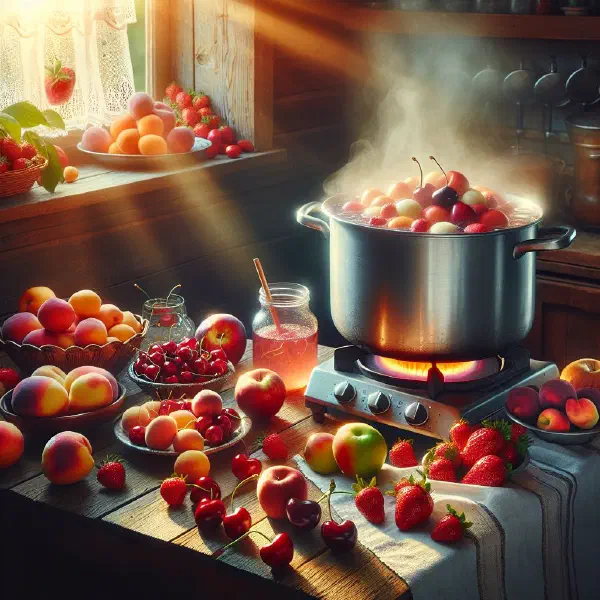
- Bring the mixture to the boil, then let it simmer for 15–20 minutes.
- Take the pan off the heat and stir in the lemon juice, if using.
- Leave the kompot to cool and serve it either chilled or warm.
Gluten-free / lactose-free version
Kompot is naturally gluten-free and lactose-free, since it consists of nothing more than water, fruit and optional spices. That makes it an excellent drink for anyone with food intolerances. You can adjust the recipe freely to your own taste by varying the fruit, without losing any of the goodness or the flavour. Everyone at the table can enjoy it, whatever their dietary needs.
Tips for vegans and vegetarians
For vegans and vegetarians, kompot is a delicious alternative to many other drinks. Every ingredient is plant-based and there are no animal products involved at all. To vary the sweetness, you might use agave syrup in place of sugar, or honey if you are vegetarian. Experiment with different fruits to create unique flavour combinations and make the drink truly your own.
More tips and tricks
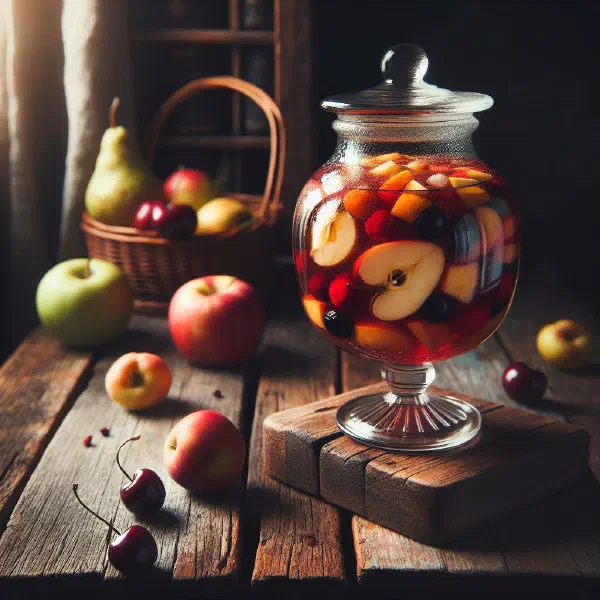
The single most important decision when making kompot is your choice of fruit. Use whatever is in season and you will get a slightly different result every time, much the way a good Liutenitsa changes with the autumn harvest. A few mint leaves added at the end lend a lovely freshness. To keep the drink longer, pour it into clean, sterilised jars and store it in the fridge.
Adapting the recipe to your taste
Kompot is remarkably easy to tailor to personal preference. You can reduce the sugar or leave it out entirely for a sugar-free drink that lets the fruit speak for itself. Try other spices too, such as vanilla or cloves, to uncover new layers of flavour. Playing with different fruit combinations is the surest way to arrive at a kompot that is unmistakably yours.
Ingredient substitutions
If a particular fruit is not to hand, a similar one will usually do the job. Apricots stand in nicely for peaches, and pears make an excellent substitute for apples. Frozen fruit works well too and is often every bit as flavoursome as fresh. Just keep an eye on the sweetness and ripeness of whatever you choose, as this is what determines how much sugar the drink will need.
Drink pairing ideas
Kompot combines wonderfully with other drinks. It makes a fine base for cocktails, and topped up with sparkling water it becomes a refreshing aperitif. You could also add a splash of rakia, the same spirit celebrated in Rakiya, or a little white wine to turn it into something more festive. The possibilities are all but endless.
Serving and presentation ideas
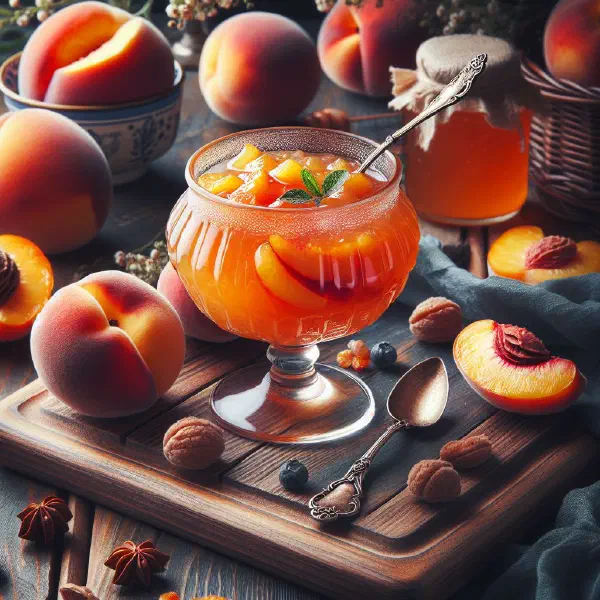
A little care over presentation makes kompot far more inviting. Serve it in attractive glasses with a few pieces of fresh fruit or a mint leaf floating on top. A handful of ice keeps it pleasantly cold on warm days. If you have guests, a stylish carafe on the table looks splendid alongside a plate of Kurabiiki or another sweet treat.
A bit of history
The history of kompot stretches back several centuries and is deeply rooted in Bulgarian culture. It began as a practical way of preserving surplus fruit and enjoying its flavour long after the harvest. In rural areas in particular, kompot was made from whatever the garden or orchard happened to yield that year. Alongside classics such as Banitsa, it stands within Bulgarian cuisine as a symbol of warmth, family and the tradition of sharing good things together.
More recipe ideas
Summary: Kompot
In short, kompot is a versatile and adaptable drink that brings fresh and dried fruit together in the most delicious way. It is simple to make and offers no end of variations, so everyone can arrive at their own perfect version. Whether as a thirst-quencher on a hot summer day or as a festive drink for a special occasion, kompot brings a touch of Bulgarian tradition into your kitchen. Let this traditional classic inspire you and enjoy the flavours it has to offer.