National Dish Bulgaria: Kurabiiki (Recipe)
In this article
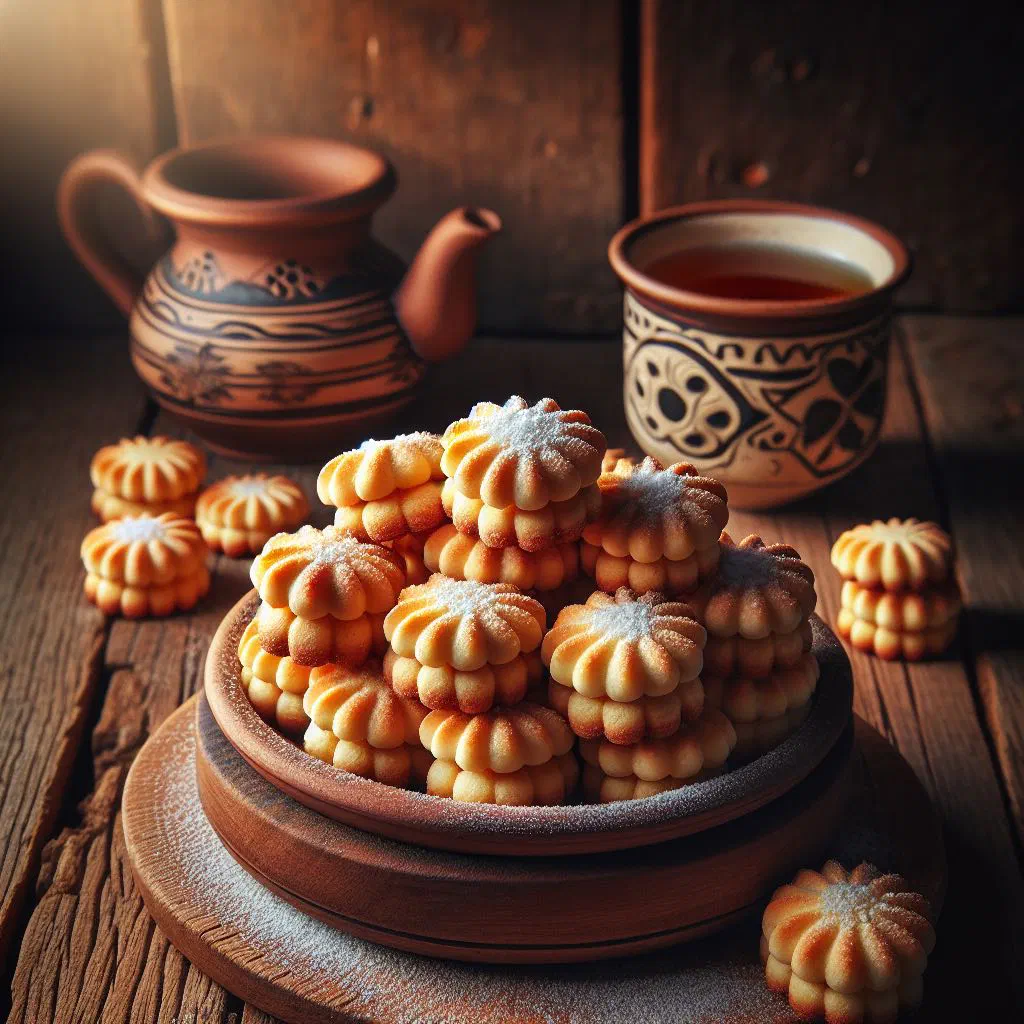
Meet Kurabiiki, the delicate almond biscuits that appear on Bulgarian tables whenever there is something worth celebrating. Crisp and lightly golden on the outside, soft and melting within, they are the kind of small sweet treat that disappears from the plate far faster than it takes to bake. The recipe asks for barely a handful of ingredients, which makes it a lovely place to start if you have never baked anything Bulgarian before.
About Kurabiiki
Kurabiiki are not only a popular snack in Bulgaria, they are also a small symbol of the country’s varied and generous food culture. These tender almond biscuits are known above all for their crisp surface and their soft, melting centre. Traditionally they are baked for special occasions, holidays, name days, family celebrations, and the process itself is simple and genuinely enjoyable, so beginners and seasoned bakers alike can turn out a good batch first time.
Ingredients (serves 1–2)
- 200 g ground almonds (almond flour)
- 150 g icing sugar
- 2 eggs
- 1 tsp vanilla extract
- 1 pinch of salt
- Icing sugar, for dusting
Shopping for the ingredients
The ingredients for kurabiiki are easy to find in most supermarkets and health food shops. Almond flour usually sits in the baking aisle alongside the icing sugar, and if you would rather make your own you can simply grind blanched almonds in a blender until fine. Shops with a broad international range are worth a look too, as the quality of the almonds makes a noticeable difference to the finished biscuit.
Preparing the dish
Before you start on the kurabiiki, it pays to get everything ready. Make sure the eggs are at room temperature, as they blend into the mixture far more easily that way. Line your baking tray with baking parchment so the biscuits lift off cleanly once baked. This also helps them bake evenly and stops them sticking. A tidy work surface and a large mixing bowl are really all the equipment you need.
Step-by-step instructions
- Preheat the oven to 180°C.
- Combine the almond flour and icing sugar in a large bowl.
- Add the eggs, vanilla extract and salt, then stir until evenly mixed.
- Roll the dough into small balls and arrange them on the lined baking tray.
- Bake for roughly 15–20 minutes, or until golden brown.
- Let the biscuits cool, then dust generously with icing sugar before serving.
Gluten-free / lactose-free version
One of the great advantages of kurabiiki is that they are naturally gluten-free, since the dough is built on almond flour rather than wheat. For a lactose-free batch, simply check that your icing sugar contains no milk-derived anti-caking agents, most brands do not, but it is worth a glance at the packet. These small adjustments make the biscuits an excellent choice for anyone cooking around dietary restrictions, and the recipe also takes well to plant-based refinements.
Tips for vegans and vegetarians
For vegan kurabiiki, replace the eggs with flaxseed or chia seed. One tablespoon of ground flaxseed stirred into two and a half tablespoons of water stands in nicely for a single egg. Both alternatives bind the dough well and barely alter the flavour. You might also consider adding other plant-based flavourings, a little almond extract or rosewater, to give the biscuits a character of their own. The result is a delicious, entirely animal-free take on this Bulgarian classic.
More tips and tricks
Grated lemon or orange zest, for instance, lends a bright, fruity note that cuts through the sweetness beautifully. Have your utensils and baking tray ready before you begin mixing, as the dough comes together quickly. Keep an eye on the biscuits while they bake: every oven behaves a little differently and the timing can shift by several minutes either way.
Adapting the recipe to your taste
Depending on what you enjoy, kurabiiki can be adapted by folding in chopped nuts or small pieces of chocolate. These additions bring an interesting texture and a second layer of flavour to each bite. You can also play with the sweetness, using rather less or rather more sugar to suit your palate. The recipe stays flexible throughout, much like the sweet Medenki honey biscuits that many Bulgarian households bake alongside them.
Ingredient substitutions
If you do not have almond flour to hand, chestnut flour or a mixture of oat and rice flour will get you to a similar consistency. Do bear in mind that flours absorb moisture differently, so you may need to adjust the quantity slightly. The icing sugar can be exchanged for stevia or another natural sweetener if you want a lighter biscuit. Substitutions like these let you shape the kurabiiki around your own nutritional needs.
Drink pairing ideas
Kurabiiki go remarkably well with a whole range of drinks. A cup of freshly brewed coffee or a pot of tea complements the almond notes without competing with them. A mild herbal or fruit tea offers a refreshing contrast to the sweetness of the biscuits. For something more indulgent, try them with hot chocolate or a milkshake, and for a properly Bulgarian finish, a small glass of Rakiya is the traditional accompaniment to sweets at the end of a celebration.
Serving and presentation ideas
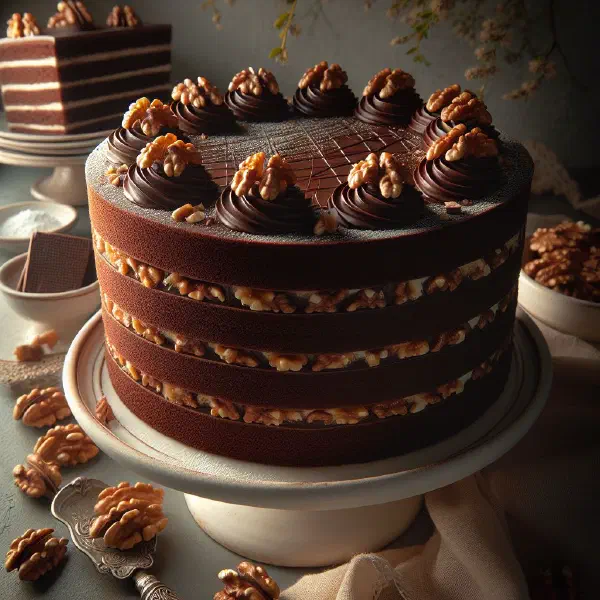
To show the kurabiiki off at their best, arrange them on pretty plates and give them a final dusting of icing sugar. A little decoration around them, fresh fruit or edible flowers, helps bring out the pale gold of the biscuits. Vary the heights and levels of your arrangement on the table to create some visual interest. This not only makes serving more enjoyable but lends the whole spread a festive air, particularly next to a rich Garash Cake.
A bit of history
The tradition of kurabiiki reaches back a long way and reflects the history and culture of Bulgaria. The biscuits are baked above all for festive occasions and celebrations, and form part of the country’s culinary heritage. Their origins lie in Bulgarian craft baking, a skill passed down from one generation to the next. In many households they are a fixed part of family tradition, a small, sweet expression of the same hospitality that runs through all of Bulgarian cuisine.
More recipe ideas
Summary: Kurabiiki
Kurabiiki are a wonderful way to bring a piece of Bulgaria into your own kitchen. Simple to make and full of gentle almond flavour, they are the perfect small treat for any celebration. These biscuits will win people over. Let their taste and their tradition charm you, and bring a little Bulgarian warmth into your home.