National Dish Bulgaria: Kyufteta (Recipe)
In this article
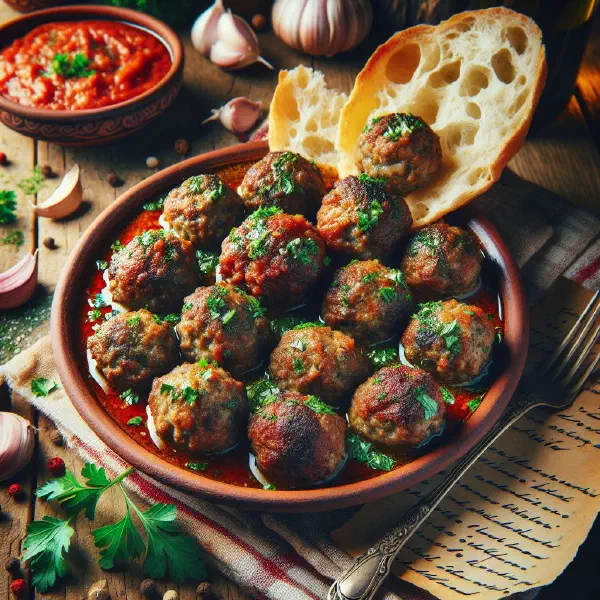
Discover Kyufteta, the beautifully seasoned meatballs that sit at the heart of Bulgarian home cooking. Crisp and golden on the outside, juicy and fragrant within, they carry the warm notes of paprika and cumin that define the country’s kitchen. They turn an ordinary evening into something worth lingering over.
About Kyufteta
Kyufteta are traditional Bulgarian meatballs, prized for their distinctive flavour and their crisp golden crust. They are usually made with beef or pork and lifted with a generous mix of spices and fresh herbs. They work equally well as a main course or as a moreish snack to share. In Bulgaria they are most often eaten with yoghurt or a crisp salad, which makes them a fitting choice for just about any occasion.
Ingredients (serves 1–2)
- 250 g minced meat (beef or pork)
- 1 small onion, finely chopped
- 1 egg
- 2 tablespoons breadcrumbs
- 1 teaspoon paprika
- 1 teaspoon ground cumin
- Fresh parsley, chopped
- Salt and pepper to taste
- Oil for frying
Shopping for the ingredients
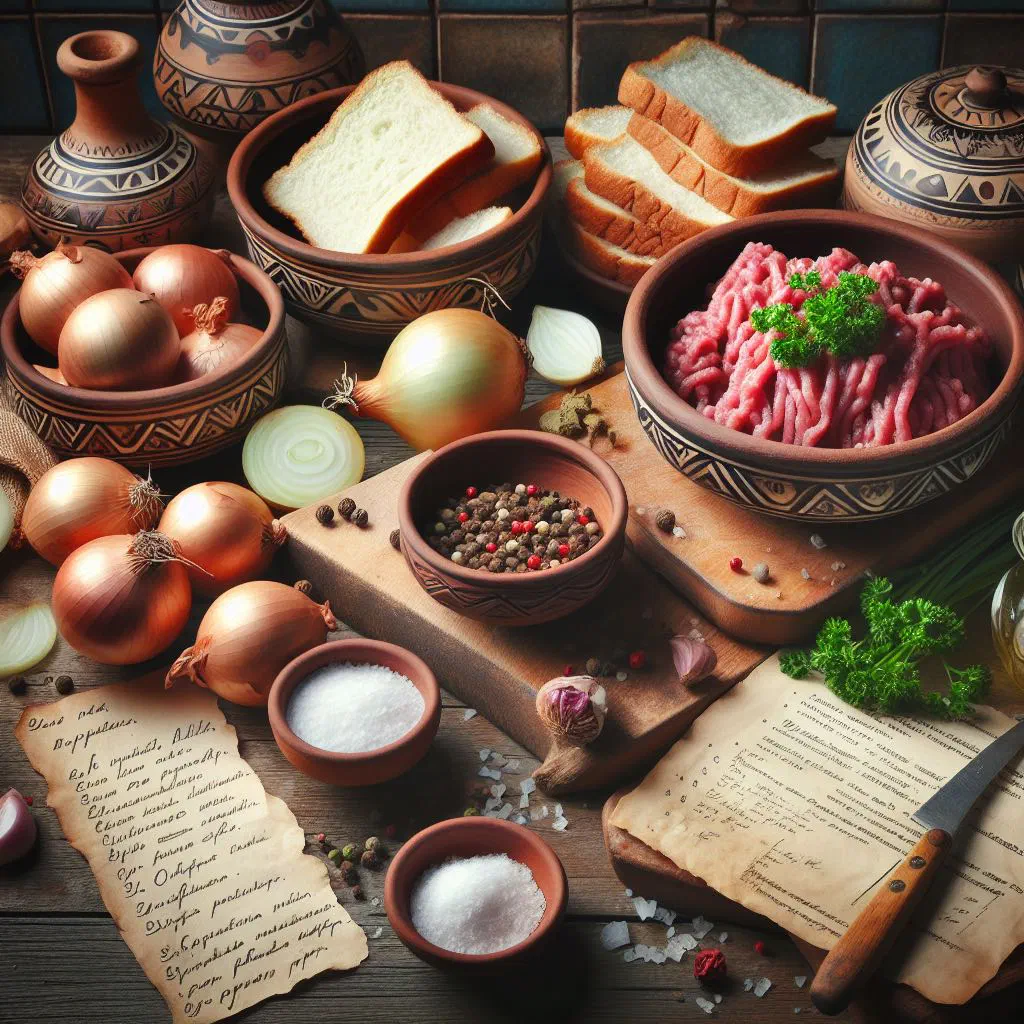
When shopping for kyufteta, buy your meat fresh from a local butcher to be sure of the best quality. Choose fresh herbs such as parsley, as they make a real difference to the flavour of the meatballs. Pick up spices like paprika and ground cumin too, since these carry the typical aromas of Bulgarian cooking. Finally, breadcrumbs are essential for binding the mixture and building that crisp outer texture.
Preparing the dish
Everything should be prepped before you start cooking. Chop the onion finely so it distributes evenly through the mixture. If you are using fresh herbs, cut the parsley into small pieces to release the most flavour. The minced meat can go straight into a large bowl along with the remaining ingredients so you can work it into a smooth, even mass.
Step-by-step instructions
- In a large bowl, combine the minced meat with the onion, egg, breadcrumbs and spices.
- Knead the mixture thoroughly until all the ingredients are evenly distributed.
- With damp hands, shape small balls and set them on a plate.
- Heat oil in a frying pan and fry the kyufteta until golden brown on both sides.
- Lift the meatballs out of the pan and drain them on kitchen paper.
Gluten-free / lactose-free version
To make kyufteta gluten-free, swap the breadcrumbs for gluten-free crumbs or ground oats. You can also choose lactose-free products throughout, particularly if the dish is served with yoghurt, much as you would when preparing a bowl of Tarator. Check every ingredient for gluten-free and lactose-free credentials so the dish is safe for sensitive guests. None of these adjustments takes anything away from the flavour.
Tips for vegans and vegetarians
For vegan kyufteta, replace the minced meat with pulses such as chickpeas or lentils. These give a great texture and are rich in protein into the bargain. Bulk out the mixture with vegetables like carrot or courgette for extra nutrients and flavour. Herbs and spices can be used generously here as well, to build up depth in the finished meatballs.
More tips and tricks
One key rule when making kyufteta is not to over-knead the mixture, as this makes the meatballs tough. Let the shaped balls rest in the fridge for a short while before frying so they firm up and hold their shape in the pan. Light pressure with your hand helps you form them evenly. And do not crowd the pan, frying in batches gives you a much more even result.
Adapting the recipe to your taste
The kyufteta recipe takes very well to personal tweaks. Experiment with different cuts of meat or add further spices such as oregano or thyme to shift the flavour. The texture can be adjusted too, simply by adding more or fewer breadcrumbs. If you like a bit of heat, work some chilli flakes into the mixture, the same trick that gives a good Liutenitsa its kick.
Ingredient substitutions
If you would rather skip the minced meat, a mixture of vegetables or tofu makes an excellent alternative. Either can be combined with nuts or Greek yoghurt for an interesting texture and extra flavour. Instead of onion you might use spring onions or garlic for a different direction altogether. Small changes like these give the dish a fresh new reading.
Drink pairing ideas
Plenty of drinks suit kyufteta. A robust Bulgarian red wine is an excellent match, as it echoes the savoury depth of the meat. Homemade lemonade or sparkling water with fresh herbs make refreshing alternatives, and a chilled measure of Rakiya is the traditional choice at the table. For those avoiding alcohol, an aromatic tea is a pleasant companion to the spices in the meatballs.
Serving and presentation ideas
Presentation matters when serving kyufteta. Arrange the meatballs on a handsome plate and garnish with fresh herbs or a soft curd sauce. Suitable sides such as a crisp salad or an aubergine dip lift the whole plate, a bowl of Shopska Salata is the classic accompaniment. Finish the arrangement with attractive napkins and good crockery to round off the experience.
A bit of history
Kyufteta have their roots in traditional Bulgarian cooking and have been a favourite for centuries. Passed down from one generation to the next, they represent the culinary variety of the country. Different regions of Bulgaria have developed their own versions, shaped by local ingredients and long-established methods. The dish is not only a pleasure to eat but a piece of Bulgarian culture and hospitality, often served at festive gatherings and celebrated across Bulgarian cuisine.
More recipe ideas
Summary: Kyufteta
Kyufteta are a traditional Bulgarian dish that matters as much culturally as it does on the plate. With the right choice of ingredients and spices, these delicious meatballs are genuinely straightforward to prepare. They are the perfect option for a sociable meal with friends or family. Let the many variations and possible adaptations inspire you, and enjoy the flavours of this Bulgarian speciality.