National Dish Bulgaria: Panagyurski Eggs (Recipe)

In this article
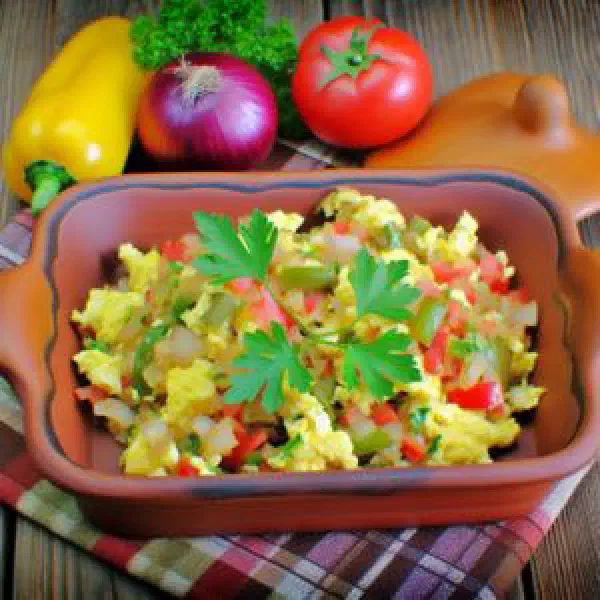
Discover Panagyurski Eggs, a warm-hearted Bulgarian classic that turns a handful of simple ingredients into something memorable. Eggs, sliced sausage, sweet peppers and crumbled feta cheese come together in a single pan, ready in minutes and generous in flavour. It is the kind of dish that suits a leisurely breakfast just as well as a light lunch. Bring a little Bulgarian hospitality to your own kitchen with this comforting favourite.
About Panagyurski Eggs
Panagyurski Eggs are a wonderful example of Bulgarian home cooking and a popular choice for all sorts of occasions. These tasty pan-fried eggs are not only quick to prepare, they also deliver an exciting flavour experience that pleases every palate. They combine fresh ingredients such as sausage, peppers and cheese, which harmonise beautifully in the pan. Enjoy this savoury dish for breakfast, as a snack, or even as a light midday meal.
Ingredients (serves 1–2)
- 4 eggs
- 100 g Bulgarian sausage (or the sausage of your choice)
- 1 small pepper, diced
- 50 g feta cheese, crumbled
- 2 tablespoons oil, for frying
- Salt and pepper to taste
- Fresh parsley, to garnish
Shopping for the ingredients
To make Panagyurski Eggs you will want fresh, good-quality ingredients. It is well worth looking around a local market for the best sausage and the freshest vegetables. When buying the feta cheese, choose one made from sheep’s milk to guarantee an authentic flavour, the very same cheese that gives a Shopska Salata its character. Most of these ingredients are readily available in supermarkets as well as in specialist food shops.
Preparing the dish
Before you start cooking, it is sensible to have everything measured out and prepped. Dice the pepper into small cubes and crumble the feta cheese. If you are using sausage, cut it into slices or small pieces. This bit of groundwork keeps the cooking process running smoothly and lets you focus entirely on the flavour of the finished dish.
Step-by-step instructions
- Heat the oil in a large frying pan over a medium heat.
- Add the sausage and fry until golden brown.
- Stir in the diced pepper and cook briefly until it softens.
- Lower the heat and crack the eggs straight into the pan.
- Season with salt and pepper to taste and let the eggs set.
- Scatter the crumbled feta over the eggs while they are still soft.
- Serve the eggs hot, garnished with fresh parsley.
Gluten-free / lactose-free version
Panagyurski Eggs are naturally gluten-free by design. Do check the sausage and the cheese for hidden dairy or gluten if you have an intolerance, as cured meats sometimes contain additives. Alternatively, you can use lactose-free cheese or plant-based sausages. Adjustments like these make the recipe accessible to everyone without taking anything away from its delicious flavour.
Tips for vegans and vegetarians
For a vegan take on this dish, use one of the plant-based egg substitutes now widely available. Instead of sausage, reach for vegan sausages or simply add plenty of fresh vegetables to build up the savoury depth. The cheese can likewise be swapped for a nut- or soya-based alternative. Prepared this way, vegans can enjoy the dish just as much as anyone else.
More tips and tricks
The single most important tip here is to keep control of the heat. Too high a temperature makes the eggs cook too quickly and lose their soft, creamy texture. For a fuller aroma, add spices such as paprika, cumin or a handful of fresh herbs. Plenty of other variations are possible, so do not be afraid to get creative.
Adapting the recipe to your taste
Another advantage of this dish is how flexible it is. Feel free to adjust the ingredients to suit your own palate. If you like a bit of heat, add some chilli or a pinch of hot spices. Vegetarians can fold in vegetables such as spinach, courgette or mushrooms to make the recipe more substantial, much as you would when preparing Mish Mash.
Ingredient substitutions
If you cannot find Bulgarian sausage, any other sausage you enjoy will do the job nicely; a slice or two of Lukanka works particularly well. The feta cheese can also be replaced with other varieties such as mozzarella or Parmesan. Everyone can create their own personal favourite version of this recipe.
Drink pairing ideas
Panagyurski Eggs go beautifully with a range of drinks. A freshly brewed coffee or a fruity smoothie complements the dish perfectly. For a traditional touch, try a Bulgarian yoghurt drink made from Kisel Mlyako, which is refreshing and light. A glass of sparkling mineral water is another good option, letting the savoury flavours speak for themselves.
Serving and presentation ideas
When it comes to presentation, there is plenty of room to be creative and set your guests’ mouths watering. Serve the eggs on an attractive plate and garnish with fresh herbs. Add a suitable side such as warm bread or a crisp salad to turn the pan into a complete meal. A thoughtfully laid table will do the rest and awaken the appetite before the first bite.
A bit of history
Panagyurski Eggs originate in Bulgarian cuisine and are a fine showcase for the country’s local cooking. They take their name from the town of Panagyurishte, which is known for its traditional dishes. The recipe reflects the region’s characteristic love of eggs and fresh ingredients, which has made it a popular breakfast in many Bulgarian households. It brings together the cultural influences and the gastronomic variety of the region, much like the rest of Bulgarian cuisine.
More recipe ideas
Summary: Panagyurski Eggs
Panagyurski Eggs are a delicious example of Bulgarian cooking, offering a warming combination of eggs, sausage and fresh seasoning. With a little care in the preparation and a good choice of ingredients, you can easily recreate the dish at home. It brings the taste of Bulgaria straight to your plate. Let the flavours inspire you and enjoy the pleasure of cooking this traditional favourite.