National Dish Bulgaria: Rakiya (Recipe)
In this article
Raise a glass to Rakiya, the fiery fruit brandy that Bulgarians have been toasting with for centuries. Distilled from ripe plums, grapes or cherries, this clear spirit carries the warm, sun-soaked aroma of the orchard in every sip. It appears at weddings and harvest feasts, but just as readily at an ordinary dinner table among friends. Making your own is a slow, patient craft, and the reward is a bottle of something genuinely Bulgarian.
About Rakiya
Rakiya is the national drink of Bulgaria and has grown over centuries into an unmistakable part of the country’s culture. This aromatic spirit is traditionally made from various fruits such as grapes, plums or cherries. In rural areas especially, rakiya is still distilled by traditional methods, which gives it a character all of its own. Whether the occasion is a grand celebration or a relaxed evening meal, rakiya simply belongs on the table.
Ingredients (serves 1–2)
- 1–2 kg fruit (plums or grapes, for example)
- 1 litre water
- 500 g sugar (optional)
- Yeast (quantity depends on the fruit and the alcohol content you want)
Shopping for the ingredients
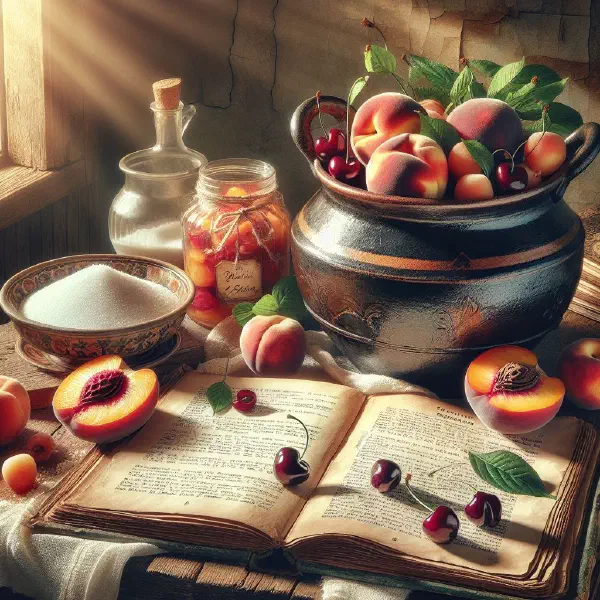
To make rakiya you need fresh, ripe fruit with a high sugar content. Slightly overripe fruit is ideal, as it carries more flavour and more natural sugar. In summer and autumn, local markets are an excellent source of delicious, freshly picked produce. Check that the fruit is sound and undamaged, as this gives you the best possible quality in the finished spirit.
Preparing the dish
Before you begin, wash the fruit thoroughly and remove the stalks and stones where necessary. Chop the fruit into small pieces so the juice can be extracted more easily. It is equally important to clean the fermentation vessels and every other piece of equipment you plan to use. This prevents contamination and ensures a clear, high-quality rakiya at the end.
Step-by-step instructions
- Tip the prepared fruit into a large fermentation vessel.
- Add the water and sugar and stir well.
- Sprinkle in the yeast and mix it in gently.
- Cover the vessel with a cloth and leave it to ferment in a warm place for around 2–3 weeks.
- Keep an eye on the fermentation and stir as needed.
- Once fermentation is complete, strain the liquid into a still and heat it.
- Discard the first part of the distillate, the “heads”, as it contains toxic compounds.
- Collect the “heart” of the run until the alcohol content begins to drop.
- Let the spirit cool until it runs clear, then bottle it.
Gluten-free / lactose-free version
The good news is that rakiya is naturally gluten-free and lactose-free, since it is made from nothing but fruit and water. Do check, however, that the yeast you buy contains no gluten-based ingredients. It is also worth making sure all your utensils and vessels are free from gluten traces to avoid any contamination. That way, people with allergies and intolerances can enjoy the drink with confidence.
Tips for vegans and vegetarians
Rakiya is an excellent choice for vegans and vegetarians, as it consists entirely of plant-based ingredients. Do make sure, though, that the yeast you use is free from animal products, as some commercial yeasts are processed with them, so read the label carefully. Prepared this way, rakiya lets you experience the cultural roots of Bulgaria in an entirely plant-based form, much like a bowl of chilled Tarator made with a dairy-free yoghurt.
More tips and tricks
A good rakiya needs time. Give the fruit long enough to develop its aromas and keep a close watch on the fermentation temperature. Too cool and the process slows to a crawl; too warm and the flavour suffers. It also helps to check the mixture regularly and stir it when needed, so that fermentation proceeds evenly throughout the vessel.
Adapting the recipe to your taste
Making rakiya leaves plenty of room for creative adjustments. Experiment with different fruits to shift the flavour in the direction you prefer. Combine plums with apples, for instance, or add spices such as cinnamon or vanilla to give the spirit a personal signature. The proportion of sugar can be adjusted too, depending on the fruit you are using and how sweet you like the result.
Ingredient substitutions
If you have no fresh fruit to hand, you can also work with fruit juices or fruit purées. These offer an interesting way to vary both the flavour and the sweetness. Supermarkets stock a range of juices that are perfectly suitable for rakiya. Choose unsweetened or all-natural products to preserve the quality of the finished spirit, the same care you would take when picking peppers for Chushki Burek.
Drink pairing ideas
Rakiya is an aromatic spirit that goes wonderfully with traditional Bulgarian dishes. Enjoy it alongside hearty fare such as grilled meats or a slice of sweet Baklava. A refreshing salad or a light soup make equally fine companions. Mixed with tonic water and a slice of lime, rakiya also produces an elegant long drink that suits special occasions.
Serving and presentation ideas
Presentation plays a real part in the pleasure of a good rakiya. Serve it in small, attractive glasses that show off its aroma and clarity. A table laid in the Bulgarian style, with freshly baked bread, white cheese and perhaps a wedge of flaky Banitsa, rounds off the experience beautifully. Adding fresh fruit as a garnish lifts both the look and the flavour.
A bit of history
The story of rakiya is deeply rooted in Bulgarian culture. Fruit brandy production is thought to date back to medieval Bulgaria, and the many regional variants and methods have added to the drink’s diversity over the centuries. In countless Bulgarian families, rakiya is valued not merely as a drink but as part of traditions, ceremonies and celebrations, a cornerstone of Bulgarian cuisine that is passed from one generation to the next.
More recipe ideas
Summary: Rakiya
Rakiya is an experience, one that captures the essence of Bulgarian culture. Made from fresh fruit, carefully distilled and tuned to personal taste, it turns a simple bottle into a journey worth taking. Whether it forms part of a festive celebration or simply helps you unwind at the end of the day, this flavourful fruit brandy enriches the moment and brings a piece of Bulgaria straight into your home.