National Dish Burkina Faso: Babenda (Recipe)
In this article
Discover Babenda, the earthy, deeply nourishing national dish of Burkina Faso. Leafy greens simmer slowly with dried fish, roasted groundnut powder and a warm base of onion, garlic and tomato until everything melts into one rich, savoury pot. It is humble country cooking at its very best, filling, frugal and full of character. Bring a taste of the Burkinabè countryside into your own kitchen with this straightforward recipe.
About Babenda
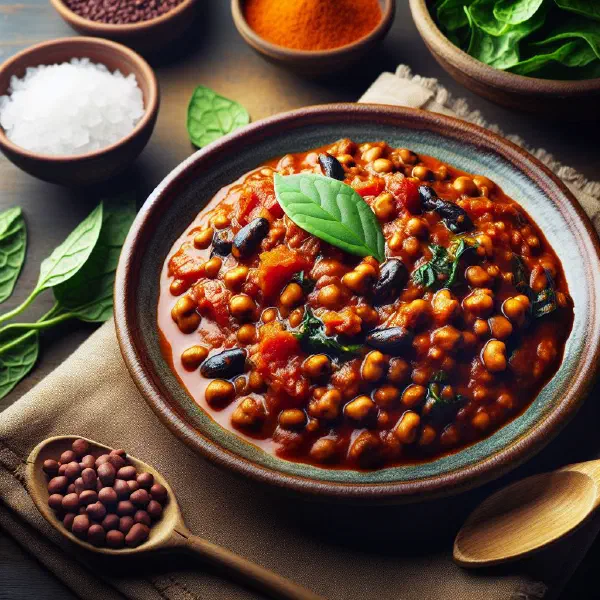
Babenda is a traditional dish from Burkina Faso, built mainly from green leaves, usually spinach or sorrel leaves, together with dried fish or meat, and sometimes pulses such as lentils or beans. It is known for its rich, earthy flavour and its remarkable staying power. Deeply rooted in Burkinabè rural life, babenda is valued as much for its nutritional benefits as for its taste, and it belongs to the same family of hearty leaf-based cooking as Sauce Feuille.
Ingredients (serves 1–2)
- 200 g spinach or sorrel leaves
- 100 g dried fish or dried meat
- 50 g roasted groundnut powder
- 1 medium onion, chopped
- 2 tomatoes, puréed
- 2 cloves of garlic, finely chopped
- 1 chilli, to taste
- Salt to taste
- 1 tablespoon vegetable oil or groundnut oil
- 500 ml water
Shopping for the ingredients
To track down the freshest ingredients for babenda, head for a local market or a specialist African grocery. Pay particular attention to good-quality dried fish or dried meat, and to genuinely fresh leafy greens. The roasted groundnut powder can either be bought ready-made or ground at home from roasted peanuts, which gives it a fresher, nuttier aroma.
Preparing the dish
Before the actual cooking begins, wash the spinach thoroughly to remove any grit. The dried fish or meat needs to be soaked and, if necessary, desalted. This can take several hours, so it is well worth planning ahead and starting the soak the evening before.
Step-by-step instructions
- Heat the oil in a large pot and sweat the onion and garlic until golden brown.
- Add the puréed tomatoes and let the mixture simmer for a few minutes.
- Add the soaked dried fish or meat along with the chilli and cook for a further 10 minutes.
- Pour in the water, season with salt and bring the soup to the boil.
- Add the washed spinach and the groundnut powder, then simmer over a medium heat for about 20 minutes.
- Make sure everything is properly cooked through, adjust the salt and serve hot.
Gluten-free / lactose-free version
Babenda is naturally gluten-free and lactose-free, since the recipe relies on leaves, pulses, oil and groundnuts rather than flour or dairy. The only point to watch is the dried fish or any bought spice mix, as these occasionally contain wheat-based fillers, check the label if you are cooking for someone with coeliac disease. Served with a gluten-free staple such as Tô, it makes a complete meal that suits almost any dietary need.
Tips for vegans and vegetarians
Vegans and vegetarians can replace the dried fish or meat with tofu or a portion of cooked lentils or beans, which keeps the protein content high and gives a similar texture. Smoked tofu works especially well because it echoes the savoury, smoky depth the dried fish would normally bring. The groundnut powder does much of the heavy lifting either way, so a fully plant-based babenda loses none of its richness.
More tips and tricks
Do not leave babenda to simmer unattended for too long, as the leafy greens can turn mushy. If the soup ends up too thin, you can stir in a little rice flour or cornflour to thicken it. Adding the groundnut powder gradually rather than all at once also helps you judge the consistency as you go.
Adapting the recipe to your taste
The beauty of babenda is that it can be adapted to personal preference. Use more or fewer chillies to reach the heat level you want, or combine several different leafy greens for a more layered flavour. Cooks who like a heavier pot often stretch it with beans, in much the same spirit as Niébé Sauce.
Ingredient substitutions
If sorrel leaves are not available, kale or chard make a very good stand-in. For the groundnut powder, ground cashews are a tasty alternative in some cases, giving a slightly sweeter, creamier finish. Frozen spinach also works perfectly well out of season. Simply squeeze out the excess water before it goes into the pot.
Drink pairing ideas
Traditional drinks suit babenda well, such as dolo, a millet-based beer, or refreshing fruit juices. Non-alcoholic options include hibiscus tea or plain fresh water with a slice of lemon. A chilled glass of Jus de Bissap is a particularly good match, as its tartness cuts cleanly through the richness of the groundnuts.
Serving and presentation ideas
Serve babenda in an attractive, wide bowl and garnish it with fresh herbs such as coriander or parsley to add colour and extra flavour. A wedge of lemon on the side and a small dish of chopped chilli let each guest adjust the dish to their own liking. Set it in the middle of the table with a starch alongside and let everyone help themselves.
A bit of history
Babenda grew out of traditional Burkinabè culture and is often prepared during periods of fasting or for special occasions. The dish brings together local produce and local techniques, and in doing so represents an essential part of the cultural heritage of Burkina Faso. It sits at the heart of Burkina Faso cuisine, where thrift, nutrition and flavour have always gone hand in hand.
More recipe ideas
Summary: Babenda
Babenda is more than just a dish. It is a piece of Burkinabè culture, rich in flavour and in history. With this recipe and the tips that go with it, you can discover and enjoy a genuinely distinctive national dish at home. Let the many possible variations inspire you and create your own version of babenda.