National Dish Burkina Faso: Couscous de Mil (Recipe)
In this article
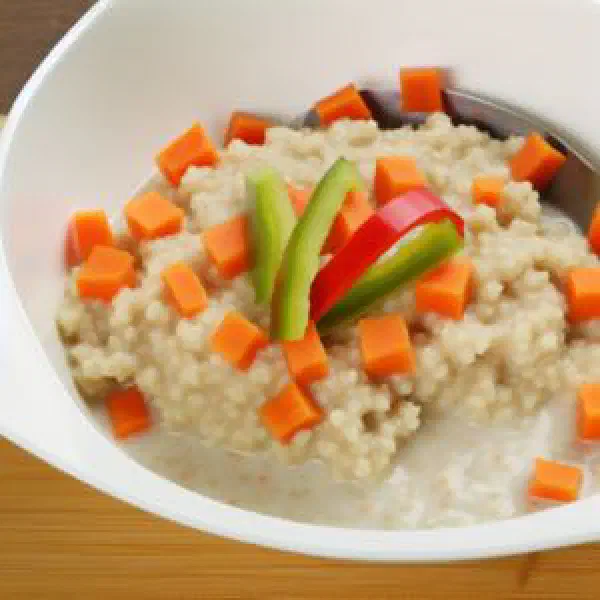
Meet Couscous de Mil, the nourishing millet dish that sits at the very heart of Burkinabè cooking. Fluffy golden grains, a drizzle of good oil and whatever vegetables the season offers turn a handful of humble ingredients into something genuinely memorable. It works as a side, as a main, or as a base for grilled meat and fish, and it takes barely twenty minutes on the hob. Bring the warm, earthy flavours of West Africa to your own kitchen tonight.
About Couscous de Mil
Couscous de Mil is a traditional dish from Burkina Faso made principally from millet. This nourishing grain is an excellent source of fibre and supplies a wide range of vitamins and minerals. The dish is straightforward to prepare and endlessly variable. It is a staple food across the region and, at the same time, a symbol of the country’s rich culture and cooking, much like the beloved To, its close cousin at the Burkinabè table.
Ingredients (serves 1–2)
- 200 g millet
- 400 ml water
- 1 teaspoon salt
- 1 tablespoon olive oil
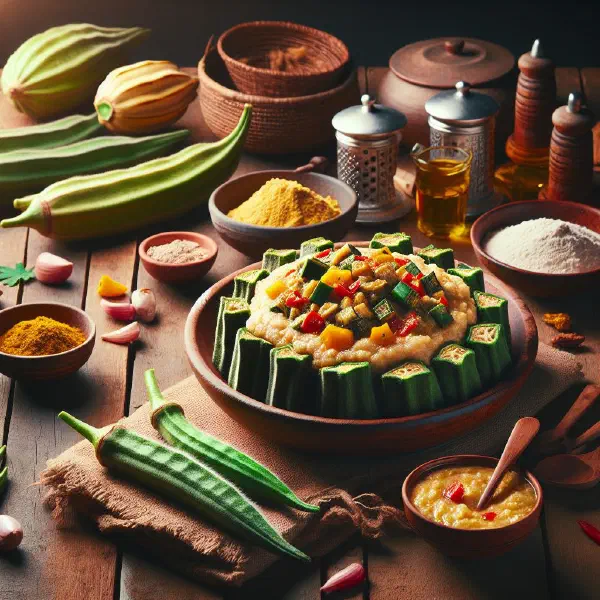
- Fresh vegetables of your choice (carrots, courgette, peppers)
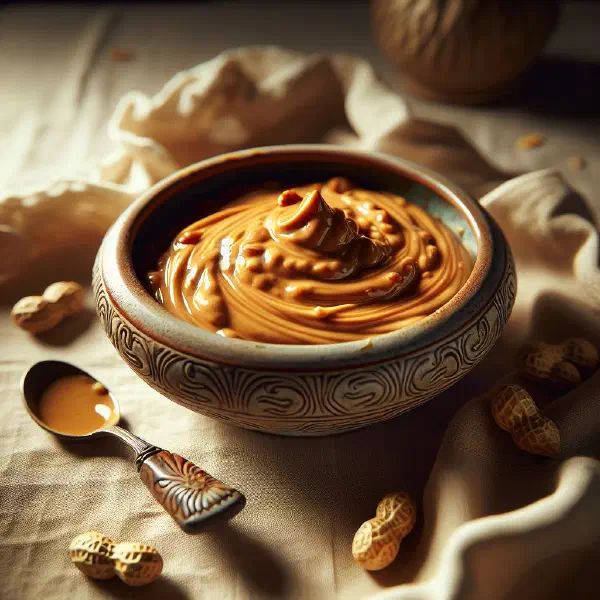
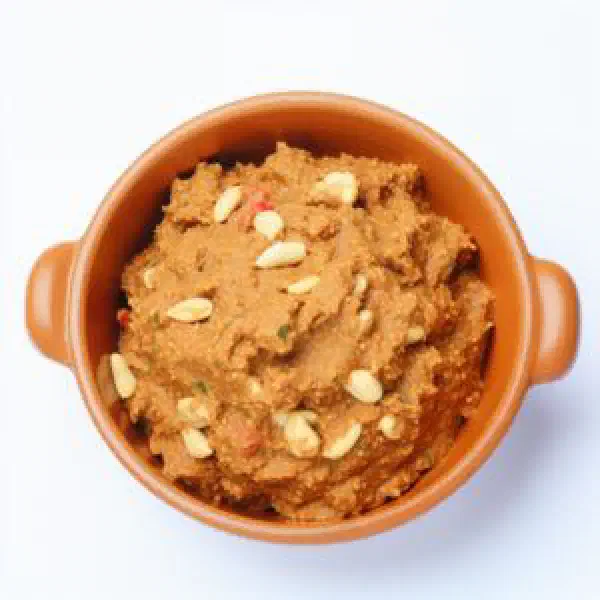
- Traditional sauces (tomato sauce or peanut sauce)
Shopping for the ingredients
When shopping for couscous de mil it is worth paying attention to the quality of the millet and the freshness of the vegetables. Visit local markets or wholefood shops to find the best produce. Choose seasonal vegetables wherever you can. They taste better and are kinder to the environment. If organic ingredients are available, they are well worth the small extra outlay for a healthier finished dish.
Preparing the dish
Getting couscous de mil ready is refreshingly simple and takes only a few steps. Start by rinsing the millet thoroughly to wash away any bitter notes. Then chop the vegetables as you like them and set everything within reach. The grain can be either boiled or steamed, which opens the door to a range of textures and aromas.
Step-by-step instructions
- Rinse the millet thoroughly in a sieve under cold running water.
- Bring 400 ml of water and 1 teaspoon of salt to the boil in a saucepan.
- Add the millet, stir well and turn the heat down low.
- Cover the pan and simmer for 15–20 minutes, until all the water has been absorbed.
- Stir the olive oil through the cooked millet and season to taste.
Gluten-free / lactose-free version
Couscous de mil suits gluten-free and lactose-free diets beautifully. Because millet is naturally free from gluten, the dish can be enjoyed without a second thought. Simply reach for lactose-free alternatives if you want to fold in cream-based sauces or cheese. That keeps the meal entirely gluten-free while losing none of its flavour or nutritional value.
Tips for vegans and vegetarians
Couscous de mil is naturally vegan, which makes it an excellent choice for vegans and vegetarians alike. To make it even more nourishing, add pulses such as chickpeas or lentils. They bring plenty of plant protein and complement the grain wonderfully. A similar trick works well with Haricots A La Tomate. Do not forget fresh herbs such as coriander or parsley for an extra lift of aroma.
More tips and tricks
To make couscous de mil more interesting still, try adding spices such as turmeric, paprika or ginger. Experiment with different vegetable combinations, or even with dried fruit for a gentle sweetness. Keep an eye on the consistency of the millet as it cooks and splash in a little more water if it looks dry. That way the finished dish stays light and fluffy rather than parched.
Adapting the recipe to your taste
One of the great strengths of couscous de mil is its versatility. Adjust it to your personal taste by using more or less vegetable, or by trying different sauces alongside. It also makes a fine base for a hearty barbecue spread with grilled meat or fish, a natural partner for Brochettes De Viande.
Ingredient substitutions
If you have no millet to hand, swap in another gluten-free grain such as quinoa or amaranth. Both offer a similar texture and comparable nutrition. For the sauces, yoghurt or hummus make healthy stand-ins, while a rich peanut sauce in the style of Sauce Darachide keeps things firmly West African. Substitutions like these let you vary the dish while holding on to its characteristic flavours.
Drink pairing ideas
The right drink can noticeably improve the couscous de mil experience. Try a refreshing mango smoothie or a home-made iced tea with mint. In Burkina Faso, meals are often accompanied by locally brewed beer, and a chilled glass of Bissap, the tart hibiscus infusion, is every bit as welcome. A fruity wine can also work well against the earthy grain.
Serving and presentation ideas
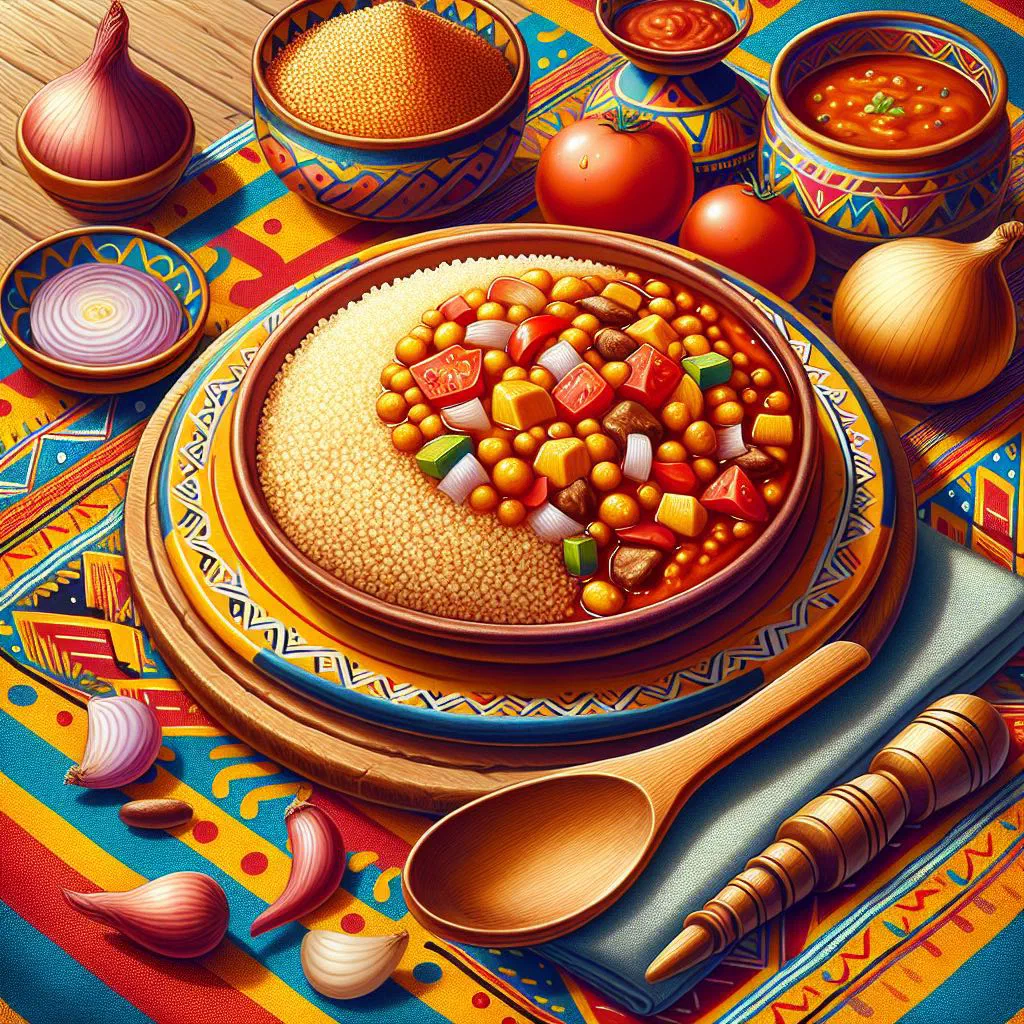
An appealing presentation lifts the whole meal. Use colourful plates and garnish the dish with fresh herbs or edible flowers. Serve dips and sauces in small bowls alongside so the colours and textures really stand out. A little thought given to the table setting rounds off the picture and turns an everyday supper into an occasion.
A bit of history
The story of couscous de mil is deeply rooted in the culture of Burkina Faso. Millet has been a staple across the region for centuries, valued for growing well in a dry climate. Traditionally the couscous is shared from a communal dish, and that social dimension, everyone eating together, remains central to how it is enjoyed. Thanks to its simple recipe, this cornerstone of Burkinabè cuisine has found its way into kitchens far beyond West Africa.
More recipe ideas
Summary: Couscous de Mil
Couscous de mil is a tasty, nourishing dish built on the quiet strengths of millet. Its versatility and easy adaptability make it a good fit for all sorts of diets and preferences. It brings the flavours and culture of Burkina Faso straight to your table. Let it inspire you and give this West African classic a go in your own kitchen.