National Dish Burkina Faso: Fari Masa (Recipe)
In this article
Meet Fari Masa, a nourishing Burkinabè classic built on nothing more than maize meal, beans and a little patience. It is the kind of honest, filling food that has kept rural households going for generations, quick to put together, endlessly adaptable and every bit as welcome as a snack as it is alongside a bigger meal. Cook it once and you will understand why it has become a small emblem of West African home cooking.
About Fari Masa
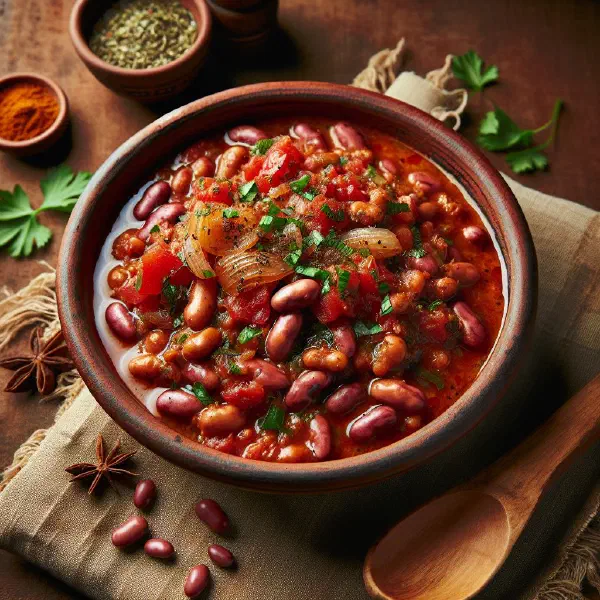
Fari Masa is a traditional dish from Burkina Faso that stands out for how straightforward its ingredients are. It is made mainly from maize meal and beans, both prized as much for their nutritional value as for their flavour. In Burkinabè cooking the dish is especially popular as a snack or as a side dish to accompany various mains. Preparing it is a lovely way to bring a touch of West African culture into your own kitchen, much as a bowl of To does.
Ingredients (serves 1–2)
- 200 g maize meal
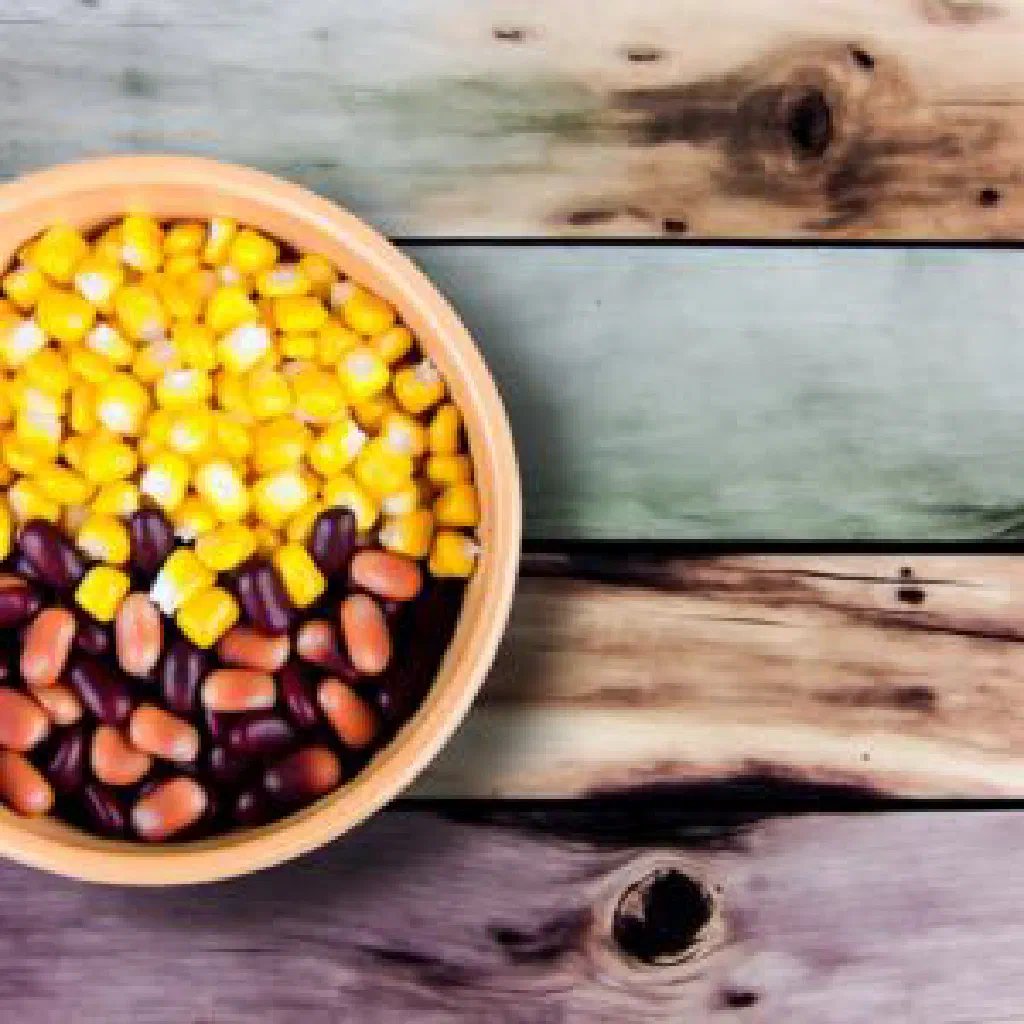
- 100 g beans (black beans or kidney beans, for example)
- 500 ml water
- 1 teaspoon salt
- 1 tablespoon oil (olive oil or groundnut oil work well)
- Optional: spices to taste (paprika, pepper, ginger)
Shopping for the ingredients
For fari masa it is worth picking good-quality produce. Maize meal and beans are stocked in most supermarkets and in African grocery shops. Look for dried beans, which need soaking before you cook them to keep the simmering time down. If you prefer fresh or frozen beans you can use those instead, though you should adjust the quantity accordingly.
Preparing the dish
Before you start on fari masa, gather everything you need. Wash the beans thoroughly and leave them to soak in water overnight. This softens them and cuts the cooking time considerably. Get the maize meal ready too by measuring it into a bowl and setting it aside, so you can add it easily once the beans are tender.
Step-by-step instructions
- Tip the soaked beans into a pan, add 500 ml fresh water and bring to the boil.
- Simmer the beans over a medium heat for about 30–40 minutes, until soft.
- Add the maize meal and stir well, taking care that no lumps form.
- Season the mixture with salt and any optional spices, then let it bubble away for another 10–15 minutes until it reaches the consistency you want.
- Pour in the oil and stir it through. Adjust the seasoning to taste.
- Spoon the finished fari masa into bowls and enjoy.
Gluten-free / lactose-free version
Fari masa is naturally gluten-free and lactose-free. The ingredients it relies on, maize meal and beans, contain no gluten, and no dairy is needed at any stage. That makes it an excellent choice for anyone following a lactose-free or gluten-free diet. Do check the spices and oils you use for possible allergens, as blends sometimes hide unexpected additions.
Tips for vegans and vegetarians
Fari masa suits vegans and vegetarians perfectly, since every ingredient is plant-based. To make it even more nourishing, add vegetables such as carrots, spinach or courgette while it cooks. They lift the nutrient content and bring extra flavour to the bowl.
More tips and tricks
One simple but effective tip is to make sure the maize meal is properly worked through the beans, so every spoonful tastes the same. A whisk or a wooden spoon helps you avoid lumps. If you would like a creamier result, add a little more water and stir carefully as it cooks. Experiment with spices such as cumin or chilli to give the dish a personal signature, the same trick that makes Haricots à la Tomate so moreish.
Adapting the recipe to your taste
The fari masa recipe is remarkably flexible, so you can shape it around your own preferences. Or fold in extras such as pickles or avocado, is entirely up to you. Its versatility invites you to be creative and stumble across new flavour combinations. Do not overlook plating and presentation either, a little variation there makes the dish especially appealing when guests are at the table.
Ingredient substitutions
If maize meal is nowhere to be found, polenta makes a fine substitute: the flavour is similar and it is just as easy to work with. For the beans, try different varieties, lentils are an excellent alternative that harmonise well with the dish and shorten the cooking time. Substitutions like these keep the recipe flexible while preserving both the taste and the nutritional value.
Drink pairing ideas
To accompany your fari masa, traditional drinks such as Bissap, a hibiscus tea, or a fresh fruit lemonade add a distinctly West African note. Both are refreshing and complement the food beautifully. If you fancy something heartier, a simple country beer rounds off the flavours nicely. Enjoy the pairing and let the tastes of Burkina Faso do the rest.
Serving and presentation ideas
Presentation can lift the fari masa experience considerably. Serve it in colourful traditional bowls or on one large platter to encourage everyone to share. Garnish with fresh herbs such as coriander or parsley, which add colour as well as extra aroma. A handful of bright vegetable sticks on the side makes the dish more attractive and gives you a healthy accompaniment into the bargain.
A bit of history
Fari masa is not only good to eat; it also reflects the cultural roots of Burkina Faso. West African cooking is known for its creativity and its variety, with many dishes built around regional ingredients. Fari masa was originally valued by rural communities as a nourishing, energy-giving meal that was easy to make and genuinely filling. Today it appears in countless households and at festive occasions alike, standing as an important symbol of Burkinabè cuisine.
More recipe ideas
Summary: Fari Masa
Fari masa is a tasty, nourishing dish that mirrors the rich culinary tradition of Burkina Faso. With only a handful of ingredients and a simple method, it is a fine choice for anyone keen to discover new and exciting flavours. It can be adapted and varied to suit whoever is at the table. Let this West African staple inspire you and bring a piece of the region into your own kitchen.