National Dish Burkina Faso: Néré Soumbala (Recipe)
In this article
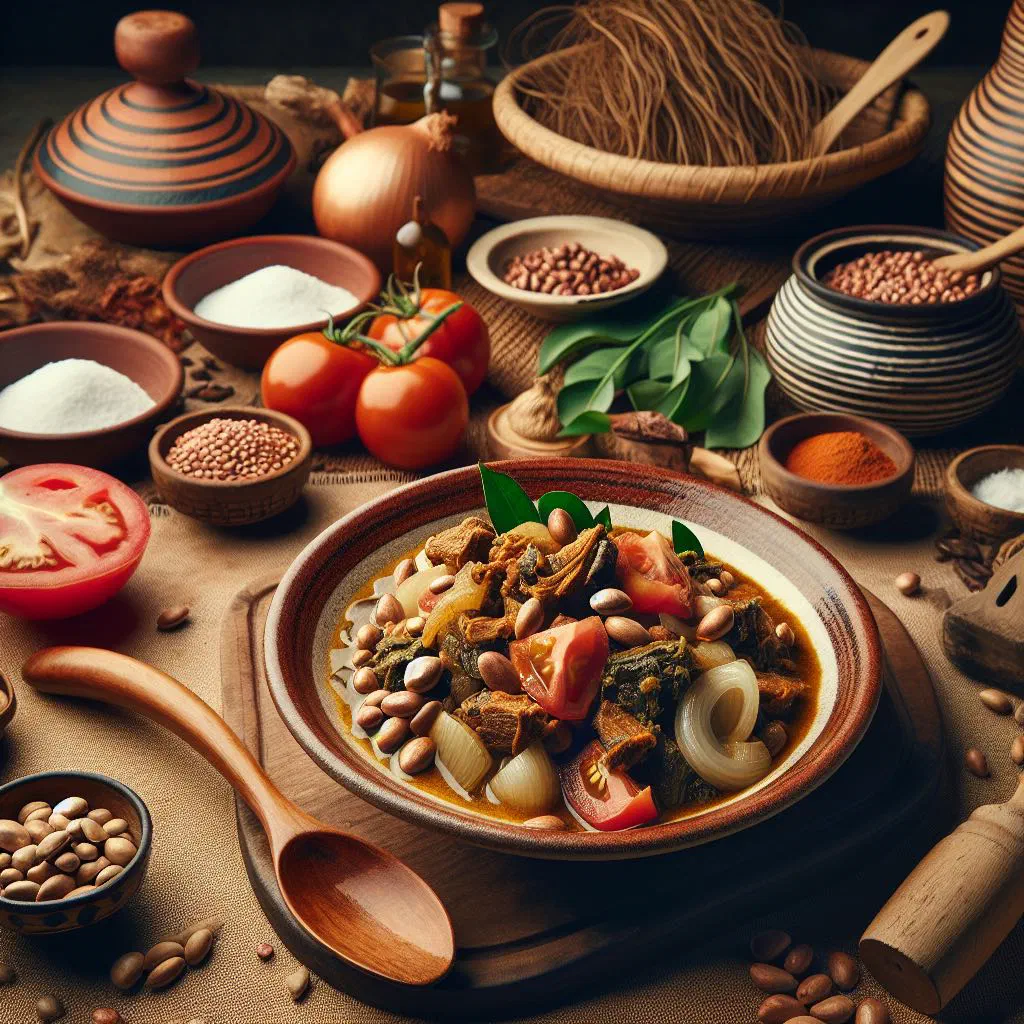
Discover Néré Soumbala, the deeply savoury pride of Burkina Faso. Built around the fermented seeds of the néré tree, this dish delivers a pungent, umami-rich flavour quite unlike anything else in West Africa. Simmered with onions, tomatoes and fiery chillies, it is at once a humble everyday stew and a proud emblem of Burkinabè heritage. One spoonful and you will understand why generations have gathered around it.
About Néré Soumbala
Néré soumbala is a traditional national dish of Burkina Faso that wins over locals and visitors alike. Its main ingredient, the fermented seeds of the néré tree, gives the dish a singular flavour that sets it apart from anything else on the table. Beyond its culinary appeal, the dish is deeply rooted in the cultural identity of the Burkinabè people. It stands for community, tradition and the history of the region, and it appears wherever families come together to eat.
Ingredients (serves 1–2)
- 200 g fermented néré seeds (soumbala)
- 1 onion, diced
- 2 tomatoes, diced
- 1–2 chillies, depending on how hot you like it
- 1 teaspoon salt
- 2 tablespoons vegetable oil
- Water as needed
Shopping for the ingredients
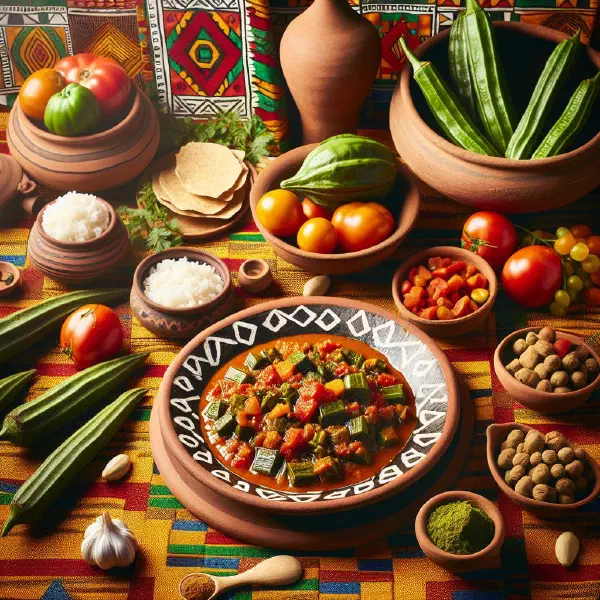
When shopping for néré soumbala, it pays to choose fresh, good-quality ingredients. The fermented néré seeds themselves are usually found in African or Asian grocery shops, often sold as pressed balls or cakes. Many larger supermarkets now keep an international foods aisle where you can track down much of what you need. Check that the soumbala is well sealed and undamaged so that its aroma and freshness are intact, the same care you would take when buying dried ingredients for Couscous de Fonio.
Preparing the dish
Preparing néré soumbala takes a little time, because the fermented seeds need to soak beforehand. Soaking softens the intensity of the flavour and makes the finished dish more approachable for newcomers. While the seeds are sitting in their water, you can chop and measure out everything else. Working this way streamlines the cooking and keeps the whole process calm and even.
Step-by-step instructions
- Rinse the fermented néré seeds thoroughly and soak them in water for about 30 minutes.
- Heat the oil in a pan and sweat the onions until translucent.
- Add the diced tomatoes and chillies and let them simmer for 5 minutes.
- Tip the soaked néré seeds into the pan and stir everything together well.
- Season to taste with salt and any further spices, then pour in water until you reach the consistency you want.
- Leave to braise over low heat for around 20 minutes, until the dish is cooked through.
Gluten-free / lactose-free version
Néré soumbala is naturally gluten-free and lactose-free, which makes it an excellent option for anyone with an intolerance. When shopping, keep an eye out for hidden sources of gluten, some oils and ready-made spice blends can contain traces. Check that every product you use is safe for your dietary needs, and the dish will suit your table without any adjustment at all.
Tips for vegans and vegetarians
Néré soumbala is naturally vegan and vegetarian, as it contains no animal products whatsoever. To make it even more interesting, stir in extra vegetables such as carrots, courgettes or peppers. That combination brings more flavour and more nutrients to the pan. Vegans should simply double-check that the oils and seasonings used contain no animal-derived ingredients.
More tips and tricks
To make néré soumbala even tastier, experiment with different spices and herbs. Coriander, cumin and curry powder all give the dish an extra dimension. The accompaniments can vary too, serve it with rice, a millet porridge or flatbread for a more varied meal, or alongside Tô, the everyday staple of the country. Good presentation also lifts the enjoyment and turns an ordinary supper into something memorable.
Adapting the recipe to your taste
Néré soumbala adapts easily to personal preference. If you like heat, add more chillies or a splash of hot sauce. For a rounder, more aromatic result, stir in roasted peanuts or a little honey to create a sweet counterpoint. You can also vary the consistency by adding more or less water, depending on whether you prefer a thick paste or a looser sauce.
Ingredient substitutions
If fermented néré seeds prove hard to find, you can substitute other fermented pulses such as tempeh or miso, both of which bring a comparable savoury depth. Other plant proteins like tofu or chickpeas also make interesting alternatives, much as they do in a hearty Ragoût de Haricots. Let your creativity run and experiment freely until the recipe fits your needs.
Drink pairing ideas
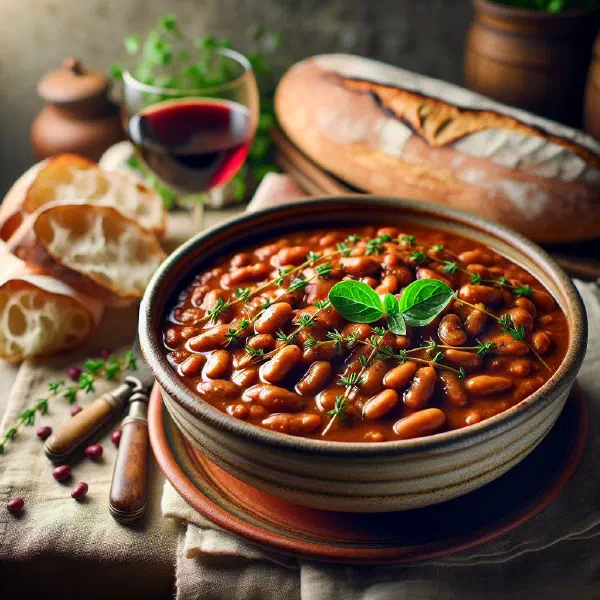
Plenty of drinks work well with néré soumbala and round out its robust flavour. A cold, refreshing beer is the classic choice, standing up nicely to the strong aroma. Alternatively, serve fresh fruit juices or alcohol-free cocktails for a lighter note, a chilled Jus de Tamarin is particularly good. A ginger tea also harmonises beautifully and softens the sharper edges of the dish.
Serving and presentation ideas
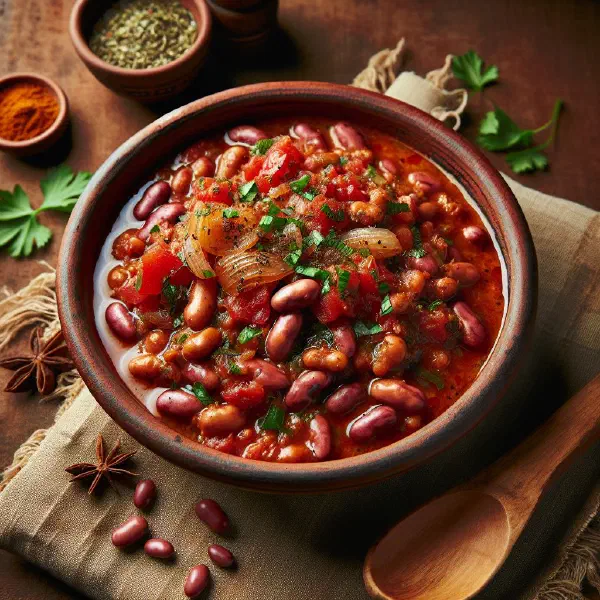
Presentation plays an important part in how néré soumbala is enjoyed. Serve it in brightly coloured bowls and garnish with fresh herbs such as coriander or parsley. A side of fresh vegetables or a colourful salad adds visual contrast and lightness. Set the table in a welcoming way to complete the picture and turn the meal into a proper occasion.
A bit of history
Néré soumbala has a long history in Burkinabè culture and is often served at festive gatherings. Use of the néré tree and its seeds goes back centuries and is a fine example of the sustainability at the heart of Burkinabè cuisine. The tradition binds local communities together and keeps awareness of local resources alive. Fermentation of the seeds is an ancient technique that builds flavour and improves the absorption of nutrients.
More recipe ideas
Summary: Néré Soumbala
Néré soumbala is far more than a dish; it is an experience that celebrates the culture and traditions of Burkina Faso. With its fermented néré seeds and generous seasoning, it offers a singular flavour that is as rewarding nutritionally as it is on the palate. Néré soumbala brings a piece of West Africa straight to your table. The recipe adapts readily and leaves room for every kind of taste.