National Dish Burkina Faso: Pain de Maïs (Recipe)
In this article
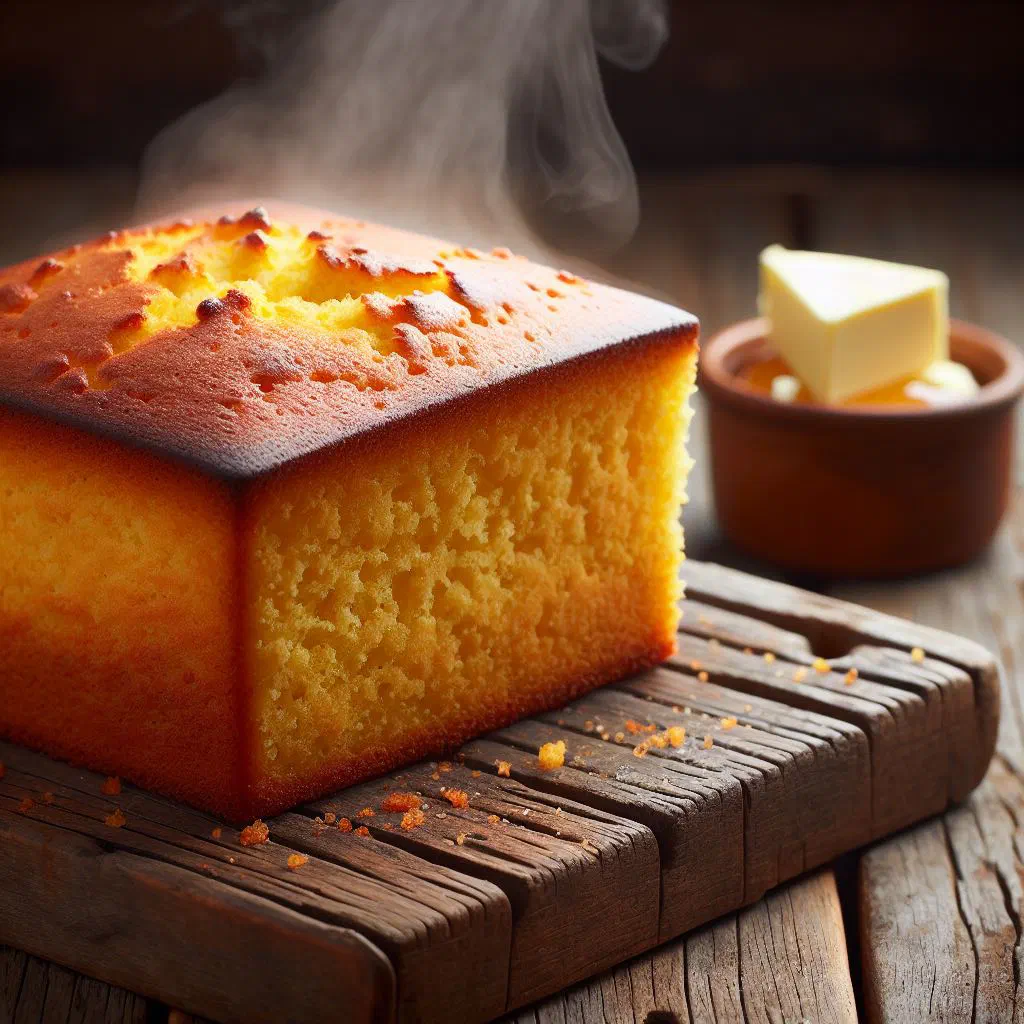
Discover Pain de Maïs, the humble cornmeal loaf that sits at the heart of Burkinabè home cooking. Made from little more than maize flour, water and a pinch of salt, it is proof that the simplest recipes are often the most satisfying. Golden, faintly sweet and pleasantly dense, it soaks up sauces beautifully and works just as well on its own with a cup of tea. One bake and you will understand why West African kitchens have relied on it for generations.
About Pain de Maïs
Pain de Maïs, a traditional bread from Burkina Faso, is far more than an ordinary loaf. It is made from maize flour and is an excellent source of carbohydrates, which makes it a genuinely sustaining everyday food. The dish reflects the culture and eating habits of this West African nation, where maize is grown and eaten in countless forms. It is most often served as a side to vegetable and meat dishes, but it is just as enjoyable eaten plain, straight from the tin.
Ingredients (serves 1–2)
- 200 g maize flour
- 400 ml water
- A pinch of salt
- Optional: spices of your choice (paprika, pepper)
Shopping for the ingredients
The ingredients for pain de maïs are easy to find in most supermarkets, and certainly in African or Asian grocery shops. Take care to choose fresh, good-quality maize flour, as it determines the flavour of the finished bread more than anything else. Spices can be varied entirely to personal taste, so buy only what you know you will use. Shopping for these staple ingredients locally also supports small producers, much as it does when you cook a pot of Riz Gras.
Preparing the dish
Getting ready to bake pain de maïs is straightforward and takes hardly any time at all. Begin by combining the maize flour with a pinch of salt in a bowl. If you want to add extra spices, this is the moment to do it. Make sure everything is distributed evenly so the loaf bakes with a consistent, harmonious aroma throughout.
Step-by-step instructions
- Bring the water to the boil in a saucepan.
- Add the maize flour slowly, stirring constantly.
- Reduce the heat and keep stirring until a firm mass forms.
- Tip the dough into a greased tin and leave it to cool to room temperature.
- Bake in a preheated oven at 180 °C for about 30 minutes.
Gluten-free / lactose-free version
Pain de maïs is naturally gluten-free, since it is made purely from maize flour. That makes it an ideal option for anyone with a gluten intolerance, and a reliable bread to have on the table when catering for mixed dietary needs. For a lactose-free version, simply use water rather than milk, the loaf stays every bit as tasty and nourishing. Few breads adapt so easily to so many ways of eating.
Tips for vegans and vegetarians
For vegans and vegetarians, pain de maïs is an excellent choice, as it contains no animal products whatsoever. To make the loaf even more nutritious, stir in linseed or chia seeds for healthy fats and extra fibre. These seeds broaden the nutritional profile and improve the texture of the crumb. Experiment with different additions until you find the version that suits your own taste, the same spirit of improvisation that makes Fonio aux Légumes so rewarding.
More tips and tricks
To vary the texture and flavour of pain de maïs, blend in small quantities of other flours. A combination with millet flour or rice flour works particularly well. Always keep an eye on the consistency of the dough, too loose and the loaf will not hold, too stiff and it turns dry. Thorough, patient mixing is what produces an even, well-risen bake.
Adapting the recipe to your taste
Pain de maïs is easy to adjust to individual preferences. Do you like a bit of heat? Add chilli or ginger to the dough. For a sweeter loaf to serve with afternoon tea, work in a little sugar or honey. And if you enjoy herbs, try different combinations of thyme or basil. In this way a traditional staple becomes something entirely your own.
Ingredient substitutions
If you cannot find maize flour, polenta makes a very good stand-in, as the flavour and texture are closely related. Oat flour is another wholesome alternative, though it should be treated with caution by anyone avoiding gluten. Adding vegetable purée such as pumpkin or carrot creates interesting new flavour directions and a moister crumb. Be creative, the base recipe is forgiving enough to take it.
Drink pairing ideas
Pain de maïs pairs beautifully with a wide range of drinks. For an authentically West African experience, serve it with green tea or a fresh fruit juice such as mango or pineapple. A chilled glass of Jus de Tamarin is another fine match, its tartness cutting through the mild sweetness of the maize. Cold, refreshing drinks like these bring out the best in the bread.
Serving and presentation ideas
Thoughtful presentation makes pain de maïs even more inviting. Serve the loaf on a rustic wooden board or in an attractive bowl, sliced thickly. Fresh herbs scattered over the top and a selection of dips or spreads alongside add colour and variety to the table. A little care in the serving turns a simple bread into the centrepiece of a memorable meal.
A bit of history
Pain de maïs has deep roots in Burkina Faso and is often served on festive occasions. The cultivation of maize plays a central role in the country’s agriculture and forms an important part of the national diet. The food cultures of West Africa bear the marks of the many peoples who have passed their recipes and cooking methods down through the centuries. Within Burkinabè cuisine this loaf is a symbol of hospitality and shared cultural heritage.
More recipe ideas
Summary: Pain de Maïs
All in all, pain de maïs is a versatile and nourishing bread that reflects the cultural identity of Burkina Faso. With simple, wholesome ingredients it is easy to prepare and endlessly adaptable to personal taste. Its blend of flavour and tradition makes it a highlight of any meal. Give it a try and enjoy a taste of West Africa’s rich culinary heritage.