National Dish Burkina Faso: Ragoût de Haricots (Recipe)
In this article
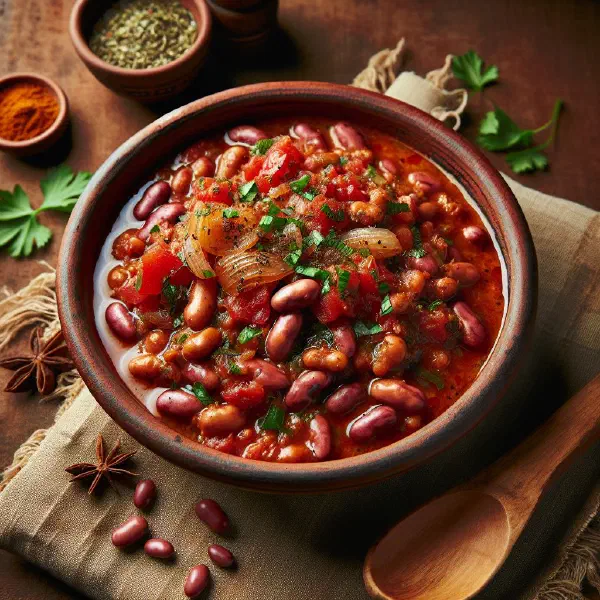
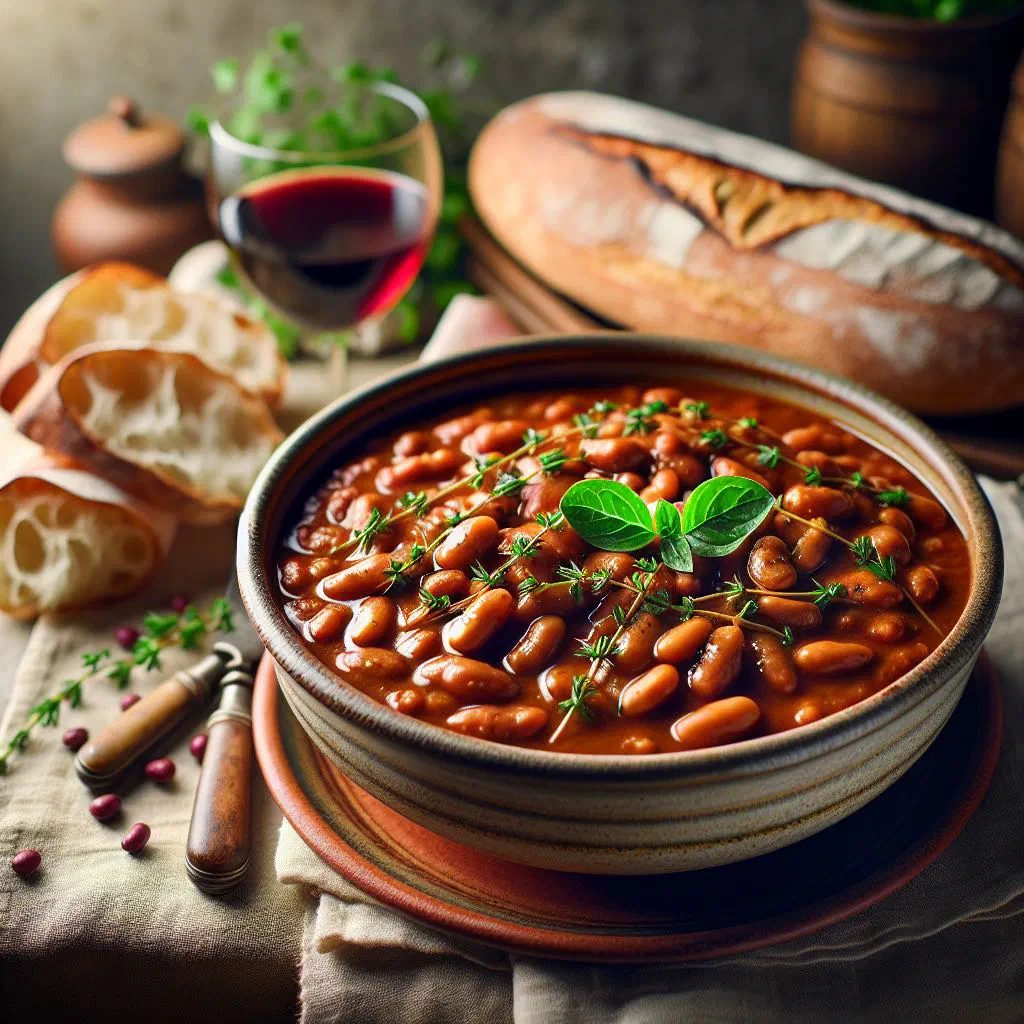
Meet Ragoût de Haricots, the hearty bean stew that sits at the heart of Burkinabè home cooking. Simple, filling and generously spiced, it turns a handful of humble pantry staples into something genuinely warming. Beans simmer slowly with onions, garlic, peppers and tomatoes until they are soft and glossy, soaking up cumin, paprika and a gentle kick of chilli along the way. It is naturally plant-based, easy on the budget, and a lovely way to bring a taste of West Africa to your own table.
About Ragoût de Haricots
Ragoût de Haricots is a traditional dish that reflects the rich culinary culture of Burkina Faso. It brings together the simple but full-flavoured character of regional cooking with a generous range of aromatic spices. That combination gives you a stew that is both nourishing and properly satisfying. It is a way of celebrating the culture and traditions of Burkina Faso on your plate.
Ingredients (serves 1–2)
- 200 g beans (black beans or kidney beans, for example)
- 1 onion, diced
- 2 cloves of garlic, chopped
- 1 pepper, diced
- 2 tomatoes, diced
- 1 tsp cumin
- 1 tsp paprika
- 1 tsp chilli (to taste)
- 2 tbsp vegetable oil
- Salt and pepper to taste
- Stock or vegetable broth (optional)
Shopping for the ingredients
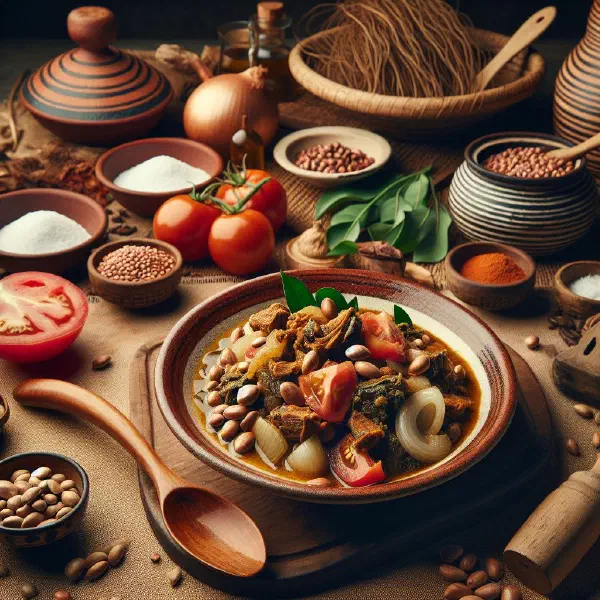
When shopping for ragoût de haricots, choose fresh, good-quality ingredients wherever you can. Visit your local market or supermarket to find the best beans and vegetables. Pay attention to the spices too, since they shape the flavour of the dish more than anything else. Most of what you need is easy to find in any well-stocked grocery shop, and the same pantry basics turn up in dishes such as Haricots à la Tomate.
Preparing the dish
Getting ready for ragoût de haricots is straightforward and does not take long. Start by soaking the beans if you are using dried ones. Fresh ingredients such as onions and peppers should be cut into small, even dice so that everything cooks through at the same rate. Measure out your spices and herbs before you begin cooking, so that everything is within easy reach when the pan is hot.
Step-by-step instructions
- Heat the vegetable oil in a large pan over a medium heat.
- Add the diced onion and the garlic and fry until golden brown.
- Stir in the pepper and the tomatoes and cook for about 5 minutes.
- Add the soaked beans and the spices and mix everything together well.
- Pour in enough stock or water to cover the beans.
- Cover the pan and let the stew simmer gently for 30–40 minutes, until the beans are soft.
Gluten-free / lactose-free version
Ragoût de haricots is naturally gluten-free and lactose-free, since the main components are beans, vegetables and spices. Simply check that the stock and any spice blends you use are also free from gluten and lactose. That makes the dish an excellent choice for anyone with those dietary requirements, and you can prepare and enjoy it with a clear conscience.
Tips for vegans and vegetarians
For vegans and vegetarians, ragoût de haricots is a delicious and nourishing option, as it contains no animal products at all. To deepen the flavour further, add extra vegetables such as courgette or carrot. Bringing in plant-based proteins like tofu makes for an even more mineral-rich variation. Play with the spicing to bring the dish in line with your own preferences.
More tips and tricks
The secret to a great ragoût de haricots lies in choosing and combining the spices well. Try different combinations to discover new flavour directions. Let the stew rest, covered, after cooking so the aromas have time to settle and develop. It also reheats beautifully, which means leftovers are just as good, if not better, the next day.
Adapting the recipe to your taste
One of the best things about this stew is how versatile it is. Depending on what you like, you can adjust the ingredients freely. Add more chilli for a hotter version, or bring in extra herbs for a fresher aroma. If you enjoy experimenting, different varieties of bean or a handful of root vegetables can give the recipe an interesting new turn.
Ingredient substitutions
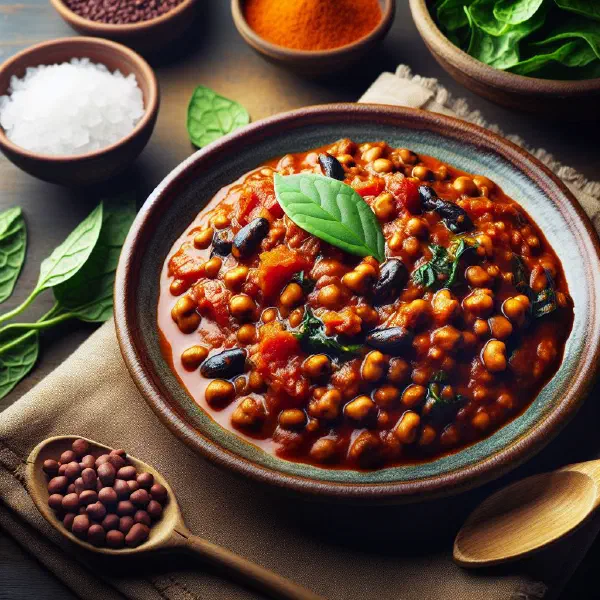
If you do not have certain ingredients to hand, there are plenty of alternatives. Instead of black beans you could use chickpeas or green beans, much like the red beans that carry Haricots Rouges à la Burkinabè. When it comes to the vegetables there are no real limits: broccoli or fresh spinach add extra nutrients to the pot. Swaps like these let you shape the recipe around whatever is already in the fridge.
Drink pairing ideas
A number of drinks go very well alongside ragoût de haricots. Classic West African options such as Bissap, a hibiscus drink, or Dolo, the local millet beer, harmonise perfectly with the flavours of the stew. Alternatively, sparkling water or a lightly sweetened tea works nicely. These pairings help round off the whole eating experience.
Serving and presentation ideas
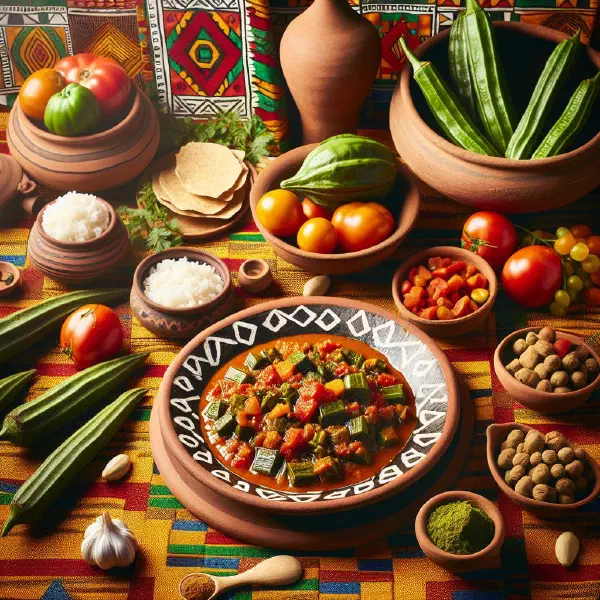
Presentation plays a real part in appealing the senses. Serve the ragoût in attractive bowls or on brightly coloured plates. Garnish it with fresh herbs or a slice of lemon for a splash of colour. Serving it with a good side such as rice or bread also strengthens the visual appeal and rounds out the meal.
A bit of history
Ragoût de haricots has its roots in traditional West African cooking, which leans heavily on pulses and regional vegetables. Beans are an important source of protein across many West African countries and turn up again and again in hearty dishes of this kind. The use of spices reflects the many cultures that meet in the region. The dish is nourishing and a symbol of the essential food traditions of Burkina Faso, and a fine introduction to Burkinabè cuisine.
More recipe ideas
Summary: Ragoût de Haricots
Ragoût de haricots is a nourishing dish and a culinary experience that celebrates the traditional cooking of Burkina Faso. With fresh ingredients and a generous hand with the spices, it brings together flavour and nutrition in equal measure. Its simple preparation makes it an ideal choice for everyday meals as much as for special occasions. Enjoy this delicious stew and taste a piece of West African culture on your own plate.