National Dish Burkina Faso: Riz au Safran (Recipe)
In this article
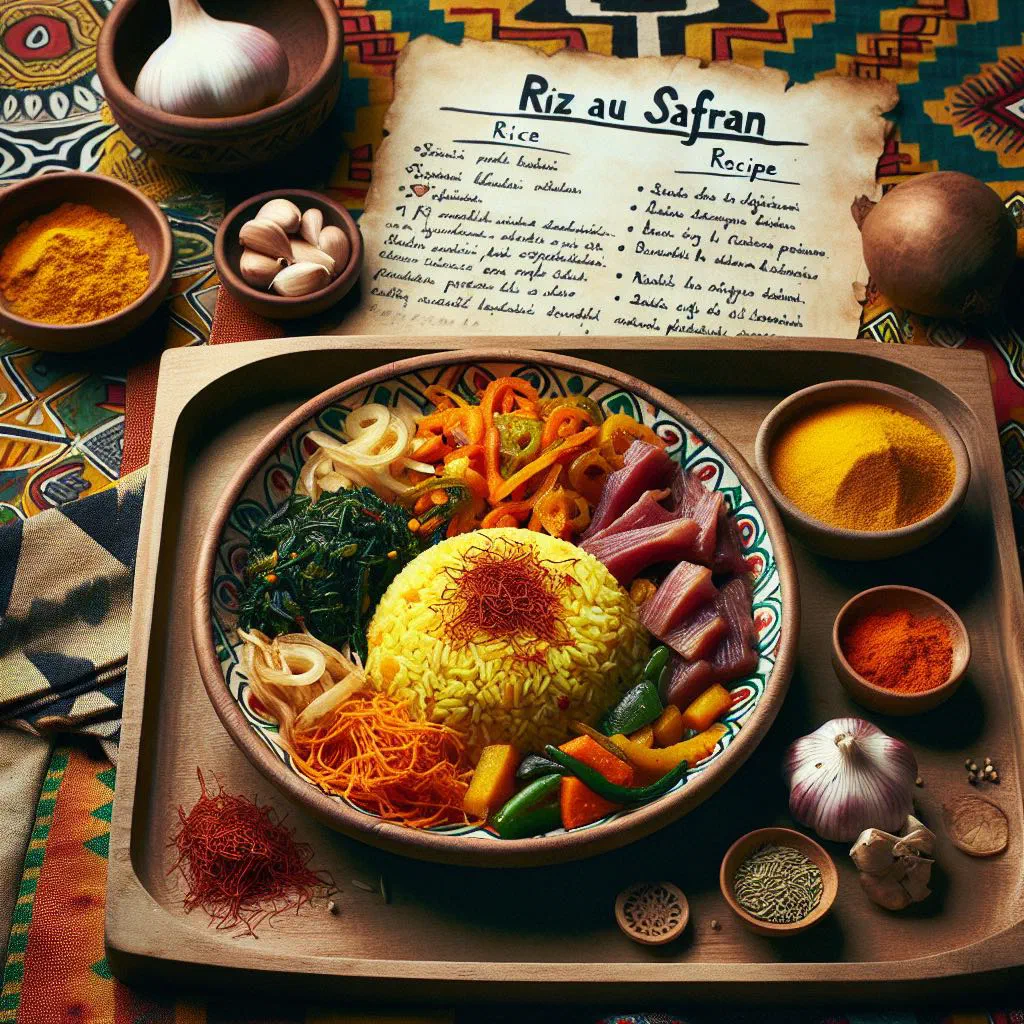
Discover Riz au Safran, a golden rice dish from Burkina Faso that turns a handful of humble ingredients into something quietly spectacular. The delicate threads of saffron lend the grains their glowing colour and a warm, honeyed perfume that fills the whole kitchen. It is a dish that speaks of West African hospitality, simple to make, generous to share and endlessly welcoming at the table.
About Riz au Safran
Riz au Safran is a wonderful dish from Burkina Faso that has won over countless food lovers. It impresses with its radiant colour and with the refined aromas of saffron, which add an extra measure of pleasure to every mouthful. With each bite you taste the versatility of West African cooking, a tradition that knows how to bring old and new influences together. It is also an excellent way to discover the true essence of Burkina Faso and to become better acquainted with the culture of the country.
Ingredients (serves 1–2)
- 200 g long-grain rice
- 1 teaspoon saffron threads
- 2 cups vegetable stock or water
- 1 small onion, chopped
- 2 cloves of garlic, chopped
- 2 tablespoons olive oil
- Salt and pepper to taste
- Fresh herbs, to garnish
Shopping for the ingredients
Sourcing the ingredients for a perfect riz au safran deserves a little care. The choice of saffron is decisive, since good-quality threads give the dish an aromatic, intense flavour. Well-stocked food shops and specialist spice merchants usually carry it. The other ingredients, long-grain rice, vegetable stock and fresh herbs, are easy to come by, so preparing the dish authentically is rarely a problem. The same well-stocked shelves will also see you right for a pot of Riz Gras.
Preparing the dish
Lay out all the ingredients first so the cooking process runs smoothly from beginning to end. Chopping the onions and garlic in advance saves time later on. It is also worth steeping the saffron in a splash of warm water so that it can release its full aroma into the pan.
Step-by-step instructions
- Heat the olive oil in a pan, add the chopped onion and garlic, and fry for about 3 minutes until translucent.
- Add the long-grain rice and stir well so the grains are evenly coated in the oil.
- Pour in the vegetable stock or water along with the steeped saffron. Stir briefly and bring to the boil.
- Reduce the heat, cover the pan and let the rice simmer for 15–20 minutes, until the liquid has been completely absorbed.
- Turn off the heat and let the rice rest for a few minutes before serving.
Gluten-free / lactose-free version
Riz au safran is straightforward to prepare gluten-free and lactose-free. The long-grain rice is naturally free from gluten, which makes it an excellent choice for anyone with a gluten intolerance. Simply check that the vegetable stock contains no gluten-bearing ingredients. Using olive oil rather than butter keeps the dish suitable for lactose-intolerant guests too.
Tips for vegans and vegetarians
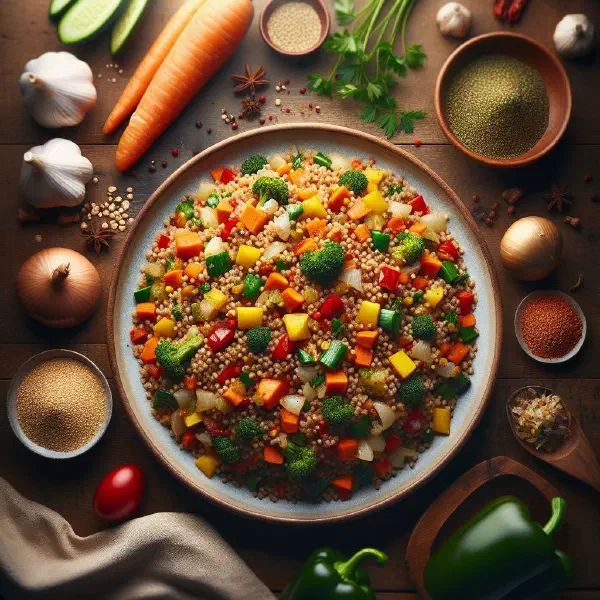
For vegans and vegetarians, riz au safran is a tasty and nourishing option. The dish consists mainly of rice and vegetables, and it becomes even more varied with the addition of seasonal produce. Peas or carrots stirred through the pan make it richer in nutrients, while the seasoning can be adjusted to taste for a flavour that is entirely your own. If you are cooking a plant-based spread, a bowl of Haricots a la Tomate alongside rounds it out beautifully.
More tips and tricks
A few small tricks make riz au safran easier still. Experiment with spices such as cumin or cinnamon to give the dish a personal signature. Fresh herbs scattered over the top provide a lovely colour contrast and intensify the aroma. Best of all, share the experience, serving the dish to friends around one table is what this kind of cooking is for.
Adapting the recipe to your taste
Adapting riz au safran to personal preference is a creative business. Vary the quantity of spices to make the dish hotter or milder as you please. Combining different varieties of rice, such as wild rice or basmati, gives it a new texture and flavour.
Ingredient substitutions
If you do not have every ingredient to hand, there are plenty of alternatives. Plain water can stand in for vegetable stock when cooking the rice. Quinoa makes an excellent gluten-free substitute for rice and brings a high protein content with it. For the saffron, a spice such as turmeric will produce a similar colour, even though the flavour differs, a trick that works just as well in a dish of Fonio Aux Legumes.
Drink pairing ideas
The right drink rounds off the riz au safran experience. A fresh mint tea or a fruity cocktail harmonises wonderfully with the aromas of the dish. Those who prefer alcohol-free options will find a ginger lemonade such as Jus De Gingembre a refreshing choice. Sparkling water with a squeeze of lemon juice also makes a lively accompaniment.
Serving and presentation ideas
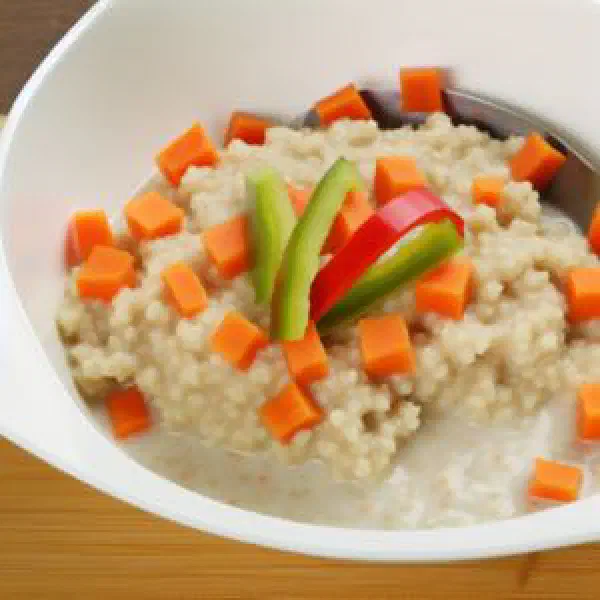
Presentation matters when you want to please your guests. Serve the riz au safran in an attractive bowl and garnish it with fresh herbs or toasted nuts. A colourful vegetable topping lifts the whole picture further. A decorative arrangement of the ingredients expresses the beauty of Burkina Faso’s kitchen and turns the meal into a feast for the senses.
A bit of history
The story of riz au safran is closely bound up with the cultural diversity of Burkina Faso. Rice dishes are widespread throughout Burkinabè cuisine and reflect the influences of many different ethnic groups. Saffron, often called “red gold”, has long held a high standing in traditional medicine. Its use has become established in Burkina Faso over the centuries and stands for the refinement of the regional table.
More recipe ideas
Summary: Riz au Safran
In short, riz au safran is a hearty, aromatic dish that showcases the culinary diversity of Burkina Faso. With its seductive flavour and unmistakable colour it wins over locals and visitors alike. The simplicity of the preparation and the scope for adaptation make it an ideal dish for any occasion. Let the culture of Burkina Faso inspire you, and enjoy this delicious plate of golden rice.