National Dish Burkina Faso: Tchakpalo (Recipe)

In this article
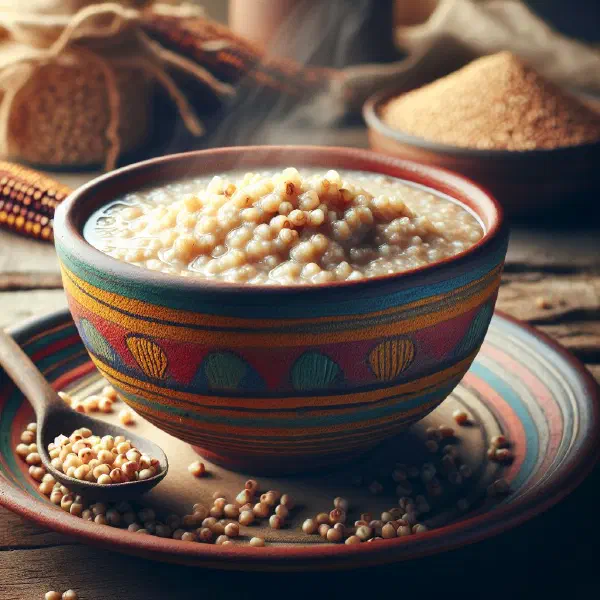
Meet Tchakpalo, a warming West African speciality built on one humble grain: millet. Gently fermented and cooked to a thick, creamy finish, it carries a subtle tang that sets it apart from any ordinary porridge. In Burkina Faso it is the kind of food that appears when people gather, at festivals, celebrations and family occasions, and it tells the story of a region where millet has fed households for centuries.
About Tchakpalo
Tchakpalo is far more than a simple recipe; it is an essential part of Burkina Faso’s culinary identity. The dish is built from fermented millet beer and millet flour, a pairing that gives it both an unusual texture and a flavour you will not mistake for anything else. It is often served at special occasions or festivities, where it brings people together around a shared bowl. Beyond being genuinely nourishing, Tchakpalo carries the stories and the culture of a region in which millet holds pride of place.
Ingredients (serves 1–2)
- 200g millet flour
- 500ml water
- 100ml fermented millet beer (if available)
- A pinch of salt
- Optional: spices to taste
Shopping for the ingredients
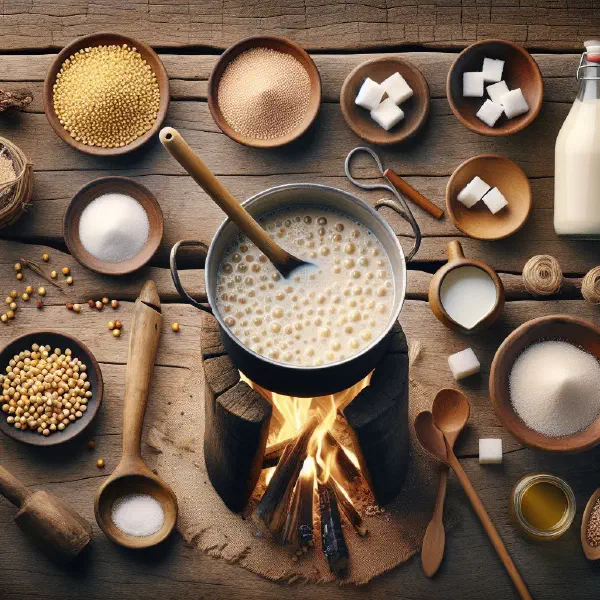
To make Tchakpalo you will need a few specific ingredients, most of which are stocked in larger supermarkets or well-supplied ethnic food shops. Millet flour is the main component and can be bought freshly milled or in packets. Fermented millet beer is the trickier item to track down, though some specialist grocers carry it. It is the same brew known locally as Dolo. If you are struggling, do not hesitate to ask at shops specialising in African foods; the staff usually know exactly what you mean.
Preparing the dish
Before you start cooking Tchakpalo, it pays to lay out everything you need. Check that the millet flour is fresh and dry, since it forms the entire foundation of the dish. Measure out the water and get any spices you plan to use within easy reach. Good preparation makes the cooking far smoother and gives the textures and aromas the best chance to come through as they should.
Step-by-step instructions
- Put the millet flour and water in a bowl and mix thoroughly until no lumps remain.
- Add the fermented millet beer and keep stirring until the mixture is smooth.
- Transfer to a saucepan and cook over medium heat for 10–15 minutes, stirring occasionally, until it reaches a thick, creamy consistency.
- Add spices and a pinch of salt to taste if you wish, to lift the flavour.
- Take off the heat and let it cool for a few minutes before serving.
Gluten-free / lactose-free version
For a gluten-free version of Tchakpalo, swap the millet flour for maize flour or any gluten-free flour you like. These alternatives give a slightly different texture, but they bring plenty of flavour of their own and can reach much the same consistency as the traditional recipe. There is no dairy in the dish at all, so it is naturally lactose-free. Try a few different flours to work out which one you prefer.
Tips for vegans and vegetarians
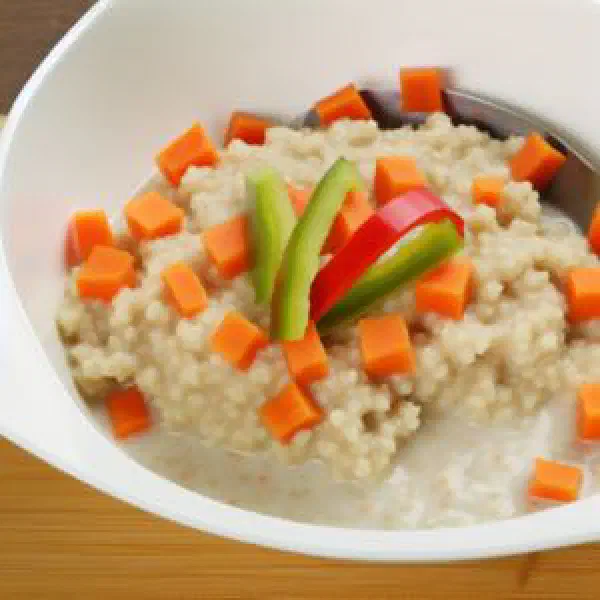
Tchakpalo is naturally vegan and vegetarian, since every component is plant-based. To make it even more nourishing you can stir in extra vegetables such as carrots or courgette. You might also consider replacing the fermented beer with freshly pressed fruit juice for a fruitier result, bear in mind, though, that this will move the dish away from its authentic character.
More tips and tricks
One small trick for a perfect Tchakpalo is to soak the millet for a few hours beforehand, which speeds up the fermentation process. Adding fresh herbs such as coriander or parsley at the point of serving improves the flavour and brings a welcome flash of colour. Play with the cooking time until you hit the consistency you want, and remember to serve it hot. That is when it tastes best.
Adapting the recipe to your taste
Tchakpalo takes well to adjustment. Cook it a little longer for a firmer, spoonable result, or loosen it with extra water if you prefer something closer to a drinkable porridge like Bouillie de Mil. A touch of sweetness works nicely too, whether from honey or a spoonful of sugar, and warm spices such as ginger or nutmeg give the dish a gentle lift. Build the version that suits your own palate.
Ingredient substitutions
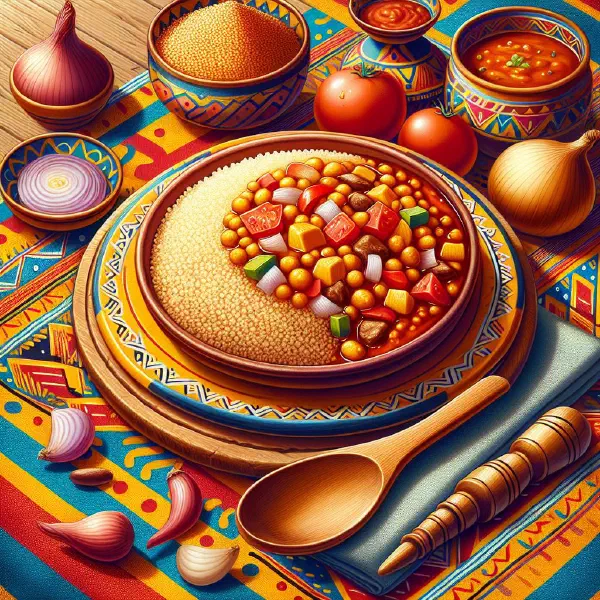
If millet flour proves hard to find, you can fall back on other grains such as buckwheat or teff, both of which bring their own flavour profiles and nutrients. Fonio is another excellent West African option, as anyone who has made Couscous de Fonio will know. The fermented millet beer can likewise be replaced with other cultured drinks, kombucha or kefir, for example, to create an interesting variation.
Drink pairing ideas
Alongside Tchakpalo, a light, refreshing drink works best, something that complements rather than competes with the dish. A traditional non-alcoholic millet brew is the natural choice and stays true to the original character. Freshly pressed juices such as mango or pineapple are excellent, as is a tart glass of Jus de Bissap. If you would like an alcoholic option, a light lager sits nicely against the textures and flavours of the dish.
Serving and presentation ideas
Presentation matters as much here as anywhere else at the table. Serve Tchakpalo in a traditional bowl or a deep plate to keep its authentic feel. Garnish with fresh herbs or edible flowers to add visual interest, and pay attention to the interplay of colours and textures. It makes a real difference to how the whole thing is received and enjoyed.
A bit of history
The origins of Tchakpalo run deep in the traditions and culture of Burkina Faso. It has been made for generations and most likely grew out of the need to draw nourishing food from locally available ingredients. Millet is a staple grain across West Africa and sits at the centre of everyday eating, as dishes from Millet au Lait to the daily staple Tô make clear. Tchakpalo is therefore not only a dish but a symbol of cultural heritage, keeping the traditions of Burkinabè families alive within Burkinabè cuisine.
More recipe ideas
Summary: Tchakpalo
In short, Tchakpalo is a delicious and nourishing dish that reflects the culinary range of Burkina Faso. It brings together simple but flavourful ingredients while telling the story of the people and their traditions. Tchakpalo is a perfect way to discover and enjoy the rich culture of West Africa. Give it a go and let the flavours win you over.