National Dish Burundi: Bugali (Recipe)
In this article
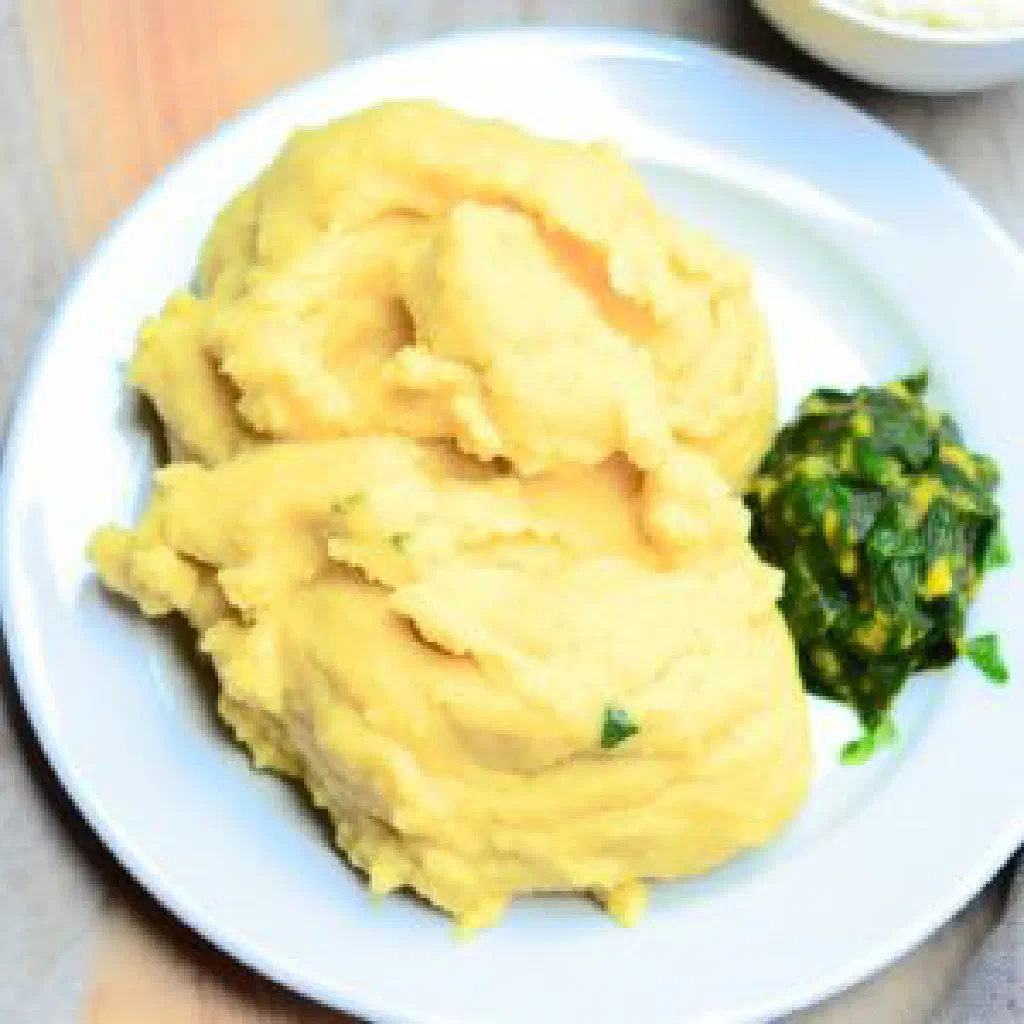
Meet Bugali, the national dish of Burundi and a true cornerstone of the country’s home cooking. Made from little more than maize meal, water and a pinch of salt, this simple, filling staple turns everyday ingredients into a nourishing, versatile meal. Traditionally served alongside vegetables or meat, it is the kind of humble comfort food that brings people to the table, easy enough for a busy weeknight, yet generous enough for a shared feast.
About Bugali
Bugali is the national dish of Burundi and an essential part of Burundian cooking. It is made chiefly from maize meal, which gives it a satisfying, nourishing quality. Preparing bugali is wonderfully straightforward and calls for only a handful of ingredients, making it an ideal choice for busy days or relaxed evenings around the grill. In Burundi it is traditionally served with vegetables or meat, coming together as a delicious and well-balanced meal.
Ingredients (serves 1–2)
- 1 cup maize meal
- 3 cups water
- A pinch of salt
Shopping for the ingredients
It is worth choosing good-quality maize meal for the best results. Look in particular for wholegrain maize meal, as it retains more of the natural nutrients. Many supermarkets stock suitable products, and African grocery shops or the organic aisle often carry more authentic options. With the right ingredients you can be sure your bugali turns out not only tasty but genuinely nourishing.
Preparing the dish
Before you start cooking bugali, make sure you have all the necessary ingredients to hand. Measure out the maize meal into a bowl and set it aside ready to use. Bear in mind that the consistency of the finished bugali can vary depending on whether you prefer it softer or firmer. Getting the ratio of water to maize meal right is key to a perfect result.
Step-by-step instructions
- Bring the three cups of water to the boil in a saucepan.
- Add a pinch of salt to the boiling water.
- Reduce the heat and add the maize meal slowly, stirring constantly.
- Keep cooking over low heat until the mixture forms a smooth, firm mass.
- Turn the bugali out into a mould and let it cool a little before slicing into portions.
Gluten-free / lactose-free version
Bugali is already gluten-free, since it is made entirely from maize meal. That makes it a great option for anyone with a gluten intolerance or coeliac disease. The dish is also free from lactose, which makes it suitable for vegans and those who are lactose intolerant. By sticking to the basic ingredients, you can enjoy bugali without compromising on flavour or texture.
Tips for vegans and vegetarians
Bugali is naturally a vegan dish, containing no animal products at all. To round it out, pair it with a variety of plant-based sides such as steamed vegetables, beans, as in a plate of Ibiharage, or a fresh salad. These combinations boost the nutritional value and add an interesting contrast of flavours. Vegans and vegetarians can also adapt the dish with sauces or spices of their choice to make it even more aromatic.
More tips and tricks
Constant stirring is important to achieve the perfect consistency of bugali. It stops lumps from forming and keeps the texture beautifully smooth. Allowing a few extra minutes of cooking time lets the flavours deepen and improves the taste. If you are cooking for a larger group, simply multiply the ingredients in proportion so that everyone leaves the table full.
Adapting the recipe to your taste
If you are after a personal touch, you can add various spices or herbs to give bugali more flavour. Popular options include garlic powder, paprika or even a hint of chilli to bring some warmth. Experiment with different sides to adjust the taste and find your own perfect combination. In this way bugali is easily tailored to individual preferences and cuisines.
Ingredient substitutions
For an interesting twist on traditional bugali, you can use millet or quinoa flour to vary the texture. These alternatives are just as wholesome and bring new flavours that enrich the meal, much like the other maize- and cassava-based staples such as Umutsima. You can also adjust the amount of liquid depending on the consistency you prefer, ensuring the dish matches your taste exactly.
Drink pairing ideas
Bugali pairs beautifully with a range of drinks. For an authentic African experience you might enjoy it with a local soft drink or a traditional beer. Refreshing fruit juices work wonderfully too, whether a mango or pineapple juice or a tangy glass of passion fruit juice. These combinations complement the mild flavour of the bugali and create a well-balanced meal.
Serving and presentation ideas
An attractive presentation can turn a plate of bugali into something special. Serve the dish on a large platter with a colourful selection of sides to make it more appealing to the eye. You can also use fresh herbs or edible flowers as a garnish to add a touch of colour. A lovely presentation builds anticipation for the meal and invites everyone to tuck in.
A bit of history
The origins of bugali reach far back into Burundian history and reflect the country’s cultural traditions. Maize has long been a central food in the region, prepared in many different ways over the centuries. The dish is a symbol of Burundian hospitality and a mark of the rich culinary heritage of Africa. Preparing and sharing bugali is a warm gesture that strengthens the bonds between people and communities, a spirit found right across Burundian cuisine.
More recipe ideas
Summary: Bugali
Bugali is more than just a staple food; it is a symbol of culture and tradition in Burundi. It offers a delicious and nourishing option that is simple to prepare. There are plenty of variations to try as you adapt the dish to your own preferences. Let the warmth of Burundian hospitality inspire you and bring this African classic into your own kitchen.