National Dish Burundi: Cassava (Recipe)
In this article
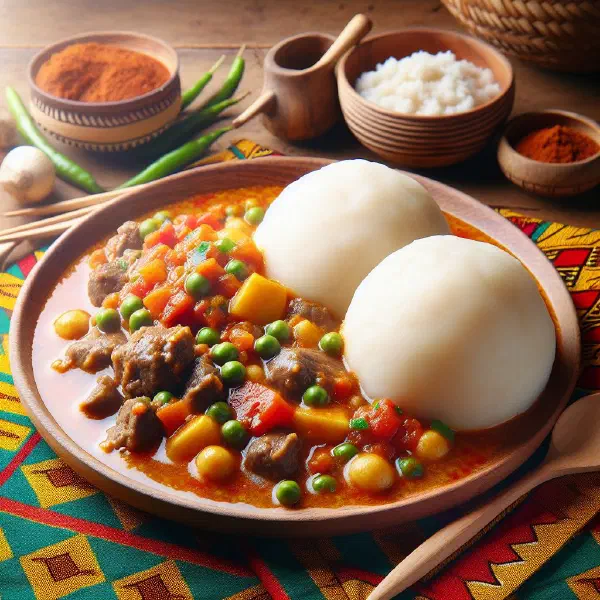
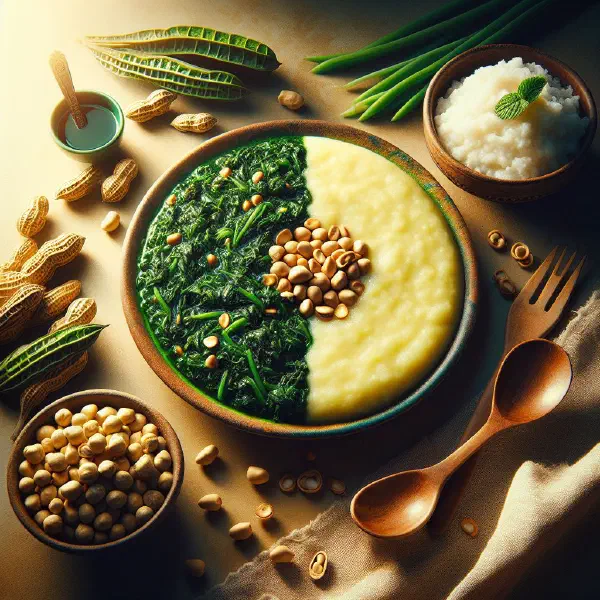
Discover Cassava, a cornerstone of the Burundian table and one of Africa’s most treasured staples. This humble root delivers a gently sweet, comforting flavour and a satisfyingly soft texture, working equally well as a hearty side or a meal in its own right. Simple to prepare and wonderfully versatile, it is the perfect introduction to the earthy, unfussy cooking of Burundi. Bring a taste of East Africa straight to your own kitchen.
About Cassava
Cassava, also known as manioc, is a much-loved root vegetable prized across many African countries and especially in Burundi. This nourishing tuber is packed with valuable nutrients such as carbohydrates, fibre and vitamins, all of which contribute to a balanced diet. Its faintly sweet taste and remarkable versatility make it a superb ingredient that shines in both savoury and sweet dishes. Thanks to its straightforward preparation, it is also an ideal choice for beginner cooks.
Ingredients (serves 1–2)
- 500 g fresh cassava (manioc root)
- 1 teaspoon salt
- 2 tablespoons oil (such as sunflower or olive oil)
- Water (as needed)
- Optional: spices to taste (such as paprika, garlic, onions)
Shopping for the ingredients
The ingredients for cassava are available in many supermarkets as well as in Asian or African grocery shops. When shopping, make sure the manioc root is fresh and undamaged. Good quality shows in a smooth, firm skin without any soft spots or browning. Frozen cassava can sometimes be found in more widely stocked stores too, which makes for a handy alternative.
Preparing the dish
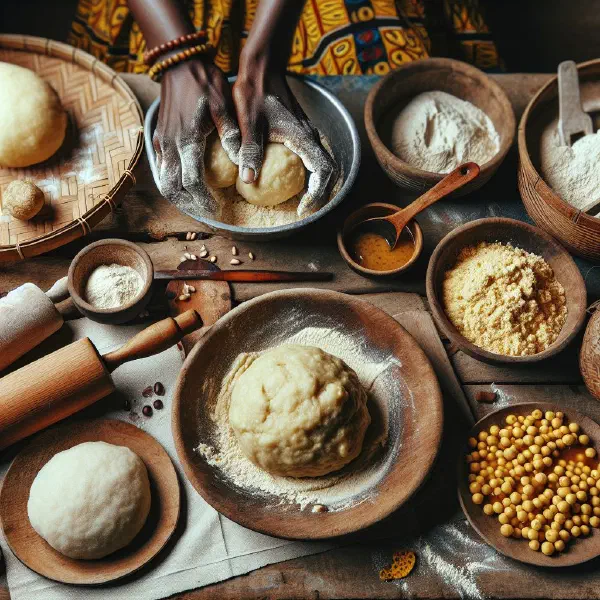
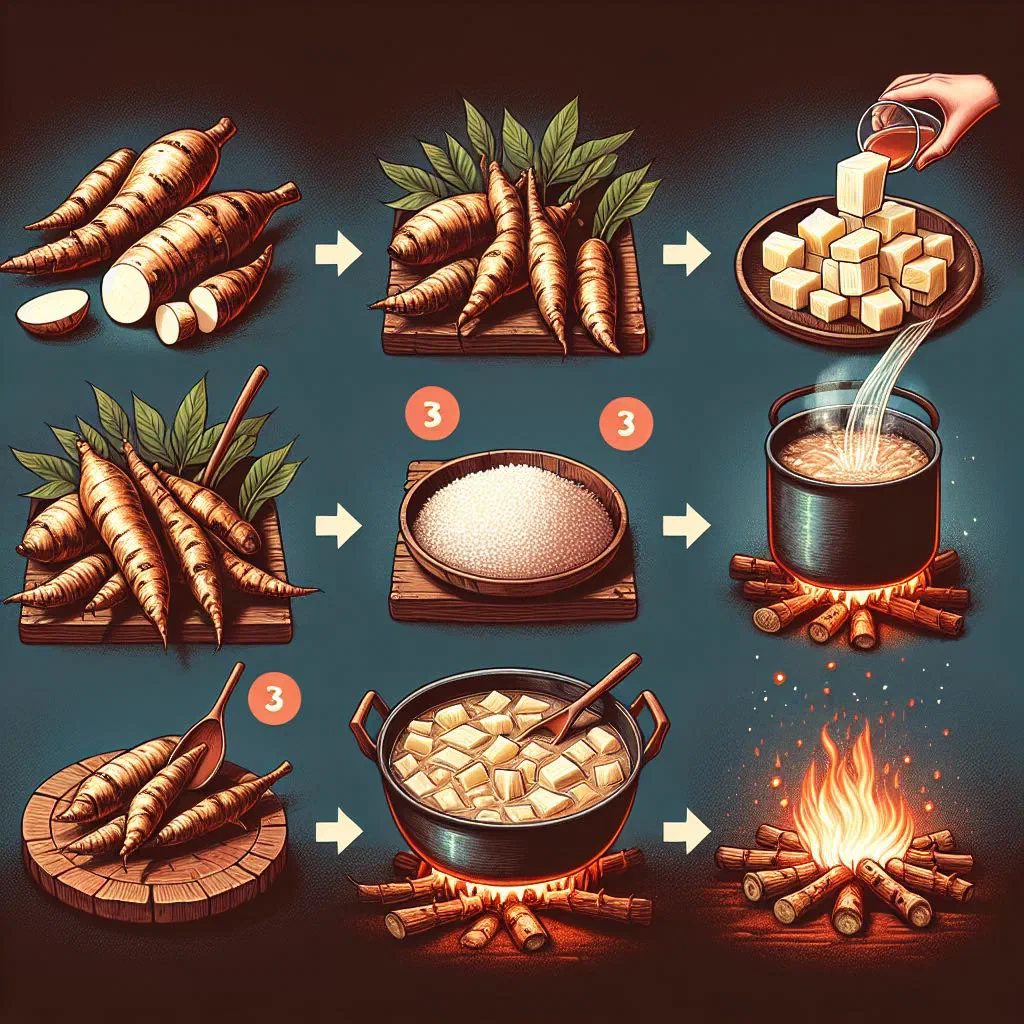
Before you start cooking cassava, wash the root thoroughly and remove the outer skin. The skin is not edible and can contain bitter compounds that spoil the flavour of the dish. Next, cut the cassava into evenly sized pieces so it cooks through at the same rate. Preparing the ingredients carefully is a crucial step towards achieving the best possible flavour.
Step-by-step instructions
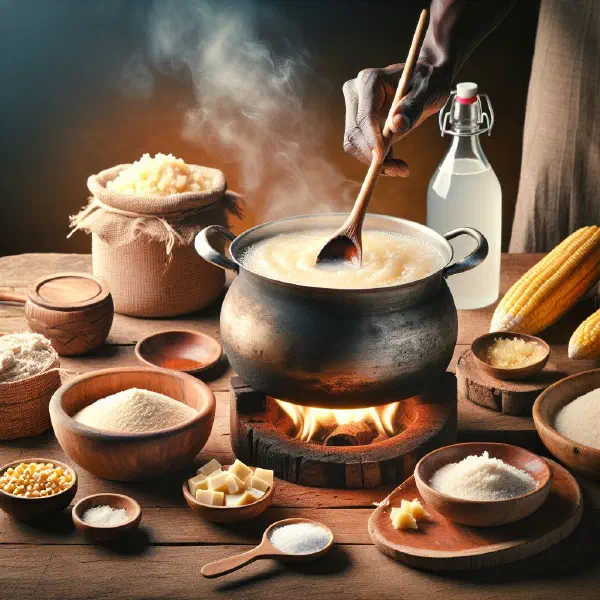
- Place the prepared cassava in a pan of water and bring to the boil.
- Add the salt and reduce the heat, letting the cassava cook over medium heat for 15–20 minutes until soft.
- Once cooked, drain the cassava and transfer it to a bowl.
- Add the oil and mix well, then season with spices to taste if you like.
- Serve the cassava and enjoy.
Gluten-free / lactose-free version
One great advantage of cassava is that it is naturally gluten-free and lactose-free. This makes the dish an excellent option for anyone with a gluten intolerance or lactose sensitivity. It can be served on its own or paired with a wide range of sides that meet the same requirements, much like the naturally gluten-free Ibiharage. Enjoy the freedom to work cassava into your menu in countless ways.
Tips for vegans and vegetarians
Cassava is an excellent choice for vegans and vegetarians, as it is naturally plant-based and offers nourishing qualities. To make the dish even more substantial, add extra vegetables or pulses such as beans and lentils to cover your protein needs. Experiment with different spices and herbs to vary the flavour and introduce new accents. That way you can create a unique dish every single time.
More tips and tricks
A few handy tips for preparing cassava include using fresh herbs and spices that lift the dish. A squeeze of lemon juice or a hint of chilli powder can add extra flavour. A crisp surface can offer an interesting contrast to the soft consistency of the root.
Adapting the recipe to your taste
Because cassava is such a neutral dish, the recipe is easy to adapt to personal preference. You can add different spices or sauces to change the flavour exactly as you wish. Try pairing the dish with tomato sauce or a spicy salsa, for example. You can also reduce the amount of oil or use healthy fats such as avocado to make the dish even more nourishing.
Ingredient substitutions
If you do not have fresh cassava to hand, you can also use pre-packaged cassava or cassava flour. The flour is ideal for making gluten-free breads or pancakes. On top of that, you can swap the oil for avocado oil or coconut oil to bring in extra flavour. Bear in mind that cooking times may vary when alternative ingredients are used, just as they do for the plantain-based Matoke.
Drink pairing ideas
Fresh, lightly sparkling drinks pair beautifully with cassava. A homemade ginger tea or a lemonade is refreshing and harmonises well with the subtle flavour of the root. You could even reach for a glass of Jus De Gingembre. For an alcoholic option, a light, fruity beer or a mild white wine will complement the flavours of the dish.
Serving and presentation ideas
An attractive presentation can greatly enhance the enjoyment of cassava. Serve the dish on colourful plates and garnish it with fresh herbs such as coriander or parsley. Set out several small bowls of different dips or sauces that guests can add as they please. Using colourful vegetables as a side adds visual appeal and enriches the meal with extra nutrients.
A bit of history
Cassava has a long history and is one of the staple foods in many African countries, including Burundi. The root has been cultivated and cherished as a food source for centuries. It is nourishing and wonderfully versatile in preparation, from boiling and frying to baking. Traditional cooking methods and regional recipes make cassava a significant part of African culture and of Burundi cuisine.
More recipe ideas
Summary: Cassava
In summary, cassava is a tasty and versatile ingredient that is loved not only in Burundi but in other parts of the world too. With its nourishing make-up and its uncomplicated preparation, it lends itself to a wide range of dishes. It offers endless variations and combinations. Give it a try and enjoy the flavours of Burundi in the comfort of your own home.