National Dish Burundi: Ibyokurya (Recipe)
In this article
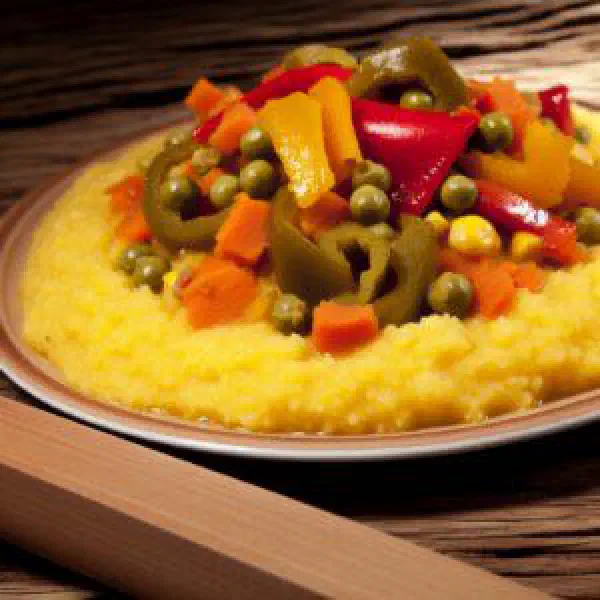
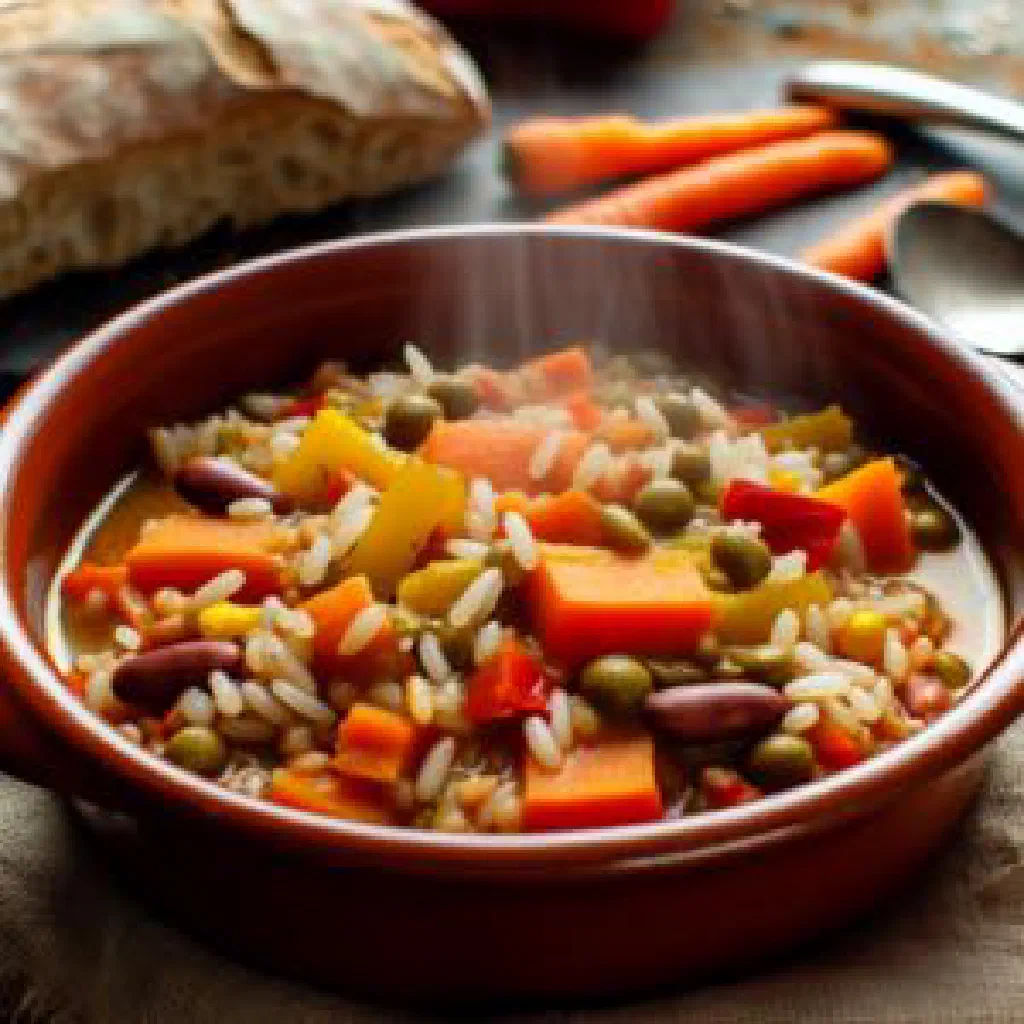
Discover Ibyokurya, the heart-warming national dish of Burundi. This wholesome combination of rice, beans and fresh vegetables celebrates authentic flavours and the country’s rich culinary culture. Simple to prepare yet deeply satisfying, it is the kind of meal made to be shared in good company. Bring a taste of Burundi straight to your own table and enjoy a dish that is as nourishing as it is comforting.
About Ibyokurya
Ibyokurya is the traditional national dish of Burundi and has won over hearts far beyond its borders. This flavoursome blend of different ingredients offers a distinctive taste and a rich cultural meaning. It is often enjoyed in sociable gatherings, reflecting the sense of community and connection so central to life in Burundi. The preparation is straightforward and perfect for anyone looking to make a delicious and nourishing meal.
Ingredients (serves 1–2)
- 1 cup rice
- 1 cup beans (black or red)
- 1 onion, chopped
- 2 carrots, diced
- 1 pepper, diced
- 2 cloves garlic, chopped
- 1 teaspoon oil (e.g. olive oil)
- 1 teaspoon salt
- Fresh herbs of your choice (e.g. parsley)
Shopping for the ingredients
To cook Ibyokurya, you need ingredients that are easy to find. Most of the components can be picked up in ordinary supermarkets or at local markets. Pay particular attention to the quality of the beans, as they are crucial to the flavour of the dish. It is a good idea to choose fresh vegetables to underline the wholesome character of the meal, much as you would for a comforting bowl of Beans and Bananas.
Preparing the dish
Preparing Ibyokurya is uncomplicated and does not take much time. First, the beans should be soaked overnight so that they turn softer and more flavoursome during cooking. The rice should be rinsed thoroughly to remove excess starch. All the other ingredients, such as onions, carrots and peppers, also need to be prepped and set aside to ensure a smooth cooking process.
Step-by-step instructions
- Heat the oil in a large pot and add the chopped onions and garlic. Fry them until golden brown.
- Add the diced carrots and pepper and fry everything together for about 5 minutes.
- Add the soaked beans and stir everything well.
- Finally, add the rinsed rice and 2 cups of water. Season with salt and bring everything to the boil.
- Reduce the heat and let the dish simmer for about 20 minutes, until the rice and beans are tender. Stir occasionally.
Gluten-free / lactose-free version
Ibyokurya is naturally gluten-free and can easily be prepared to meet lactose-free requirements. The ingredients used generally contain no hidden sources of gluten or lactose. Do take care, however, that the oils and spices you use are also free from gluten and lactose. This makes the dish an ideal choice for people with food intolerances.
Tips for vegans and vegetarians
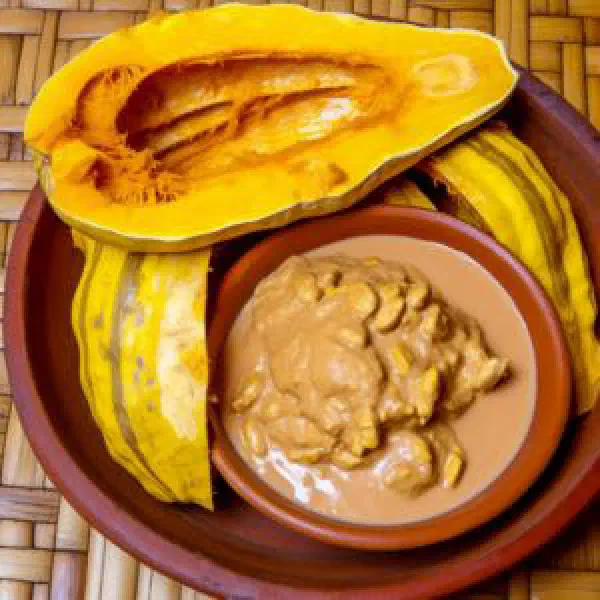
Ibyokurya is already extremely vegan-friendly, as it is built entirely on plant-based ingredients. Vegans and vegetarians can vary the dish as they like by adding extra vegetables or pulses. A great option is to stir in sweet potatoes or pumpkin for a sweeter note, the same trick that gives Ibihaza its gentle flavour. This broadens the range of tastes and adds extra nutrients.
More tips and tricks
To lift the aroma of Ibyokurya even further, you can add different spices such as cumin or chilli. These give the dish a spicy note that many people love. Experiment, too, with the quantities of the ingredients to hit your own personal taste. A well-chosen topping of fresh herbs also creates an attractive look and boosts the nutritional value of the meal.
Adapting the recipe to your taste
The lovely thing about Ibyokurya is how adaptable the recipe is. Depending on your own preference, the ingredients can be varied or swapped for others. If you prefer a heartier version, for example, add more beans to increase the protein content. The choice of vegetables can also follow whatever is on offer or in season, which guarantees the freshness of the dish.
Ingredient substitutions
If an ingredient is unavailable, there is usually a suitable alternative to hand. Rice can be replaced with quinoa or millet for a different texture and nutritional profile. For the beans, chickpeas or lentils work just as well, pairing nicely with the other ingredients and lending the dish a new flavour, as they do in a bowl of Ibiharage. Adaptations like these make Ibyokurya a versatile dish that can always be discovered anew.
Drink pairing ideas
Ibyokurya pairs wonderfully with a range of drinks. Traditionally it is served with ice-cold water or fresh juice. A hibiscus-based tea can also be a refreshing choice and harmonises well with the flavours of the dish. For those who prefer something alcoholic, a light lager is an ideal match, as it complements the spices in the meal nicely.
Serving and presentation ideas
The presentation of Ibyokurya can greatly enhance the eating experience. Serve the dish in colourful bowls to highlight the vivid colours of the ingredients. A few fresh herbs on top add a fresh note and make a lovely eye-catcher. In addition, a side of fresh salad can lift the whole dish visually while offering a touch of freshness, much like a bright Kachumbari.
A bit of history
Ibyokurya has its roots in Burundian culture, where food serves to satisfy hunger and plays a socially binding role. Traditionally this dish was often prepared for special occasions and festivities. It reflects the simple yet flavoursome preferences of Burundian cuisine. The focus on fresh, regional ingredients also shows the sustainability that holds such an important place in the country’s kitchen.
More recipe ideas
Summary: Ibyokurya
Ibyokurya is a delicious and nourishing dish that vividly reflects the culture and traditions of Burundi. Its simple preparation and adaptability to personal preferences make it a popular choice for many. Thanks to the use of fresh ingredients and the scope for variation, it stays exciting even for experienced cooks. Whether for a festive occasion or a relaxed evening meal, Ibyokurya is always a treat that appeals to.