National Dish Burundi: Isambaza (Recipe)
In this article
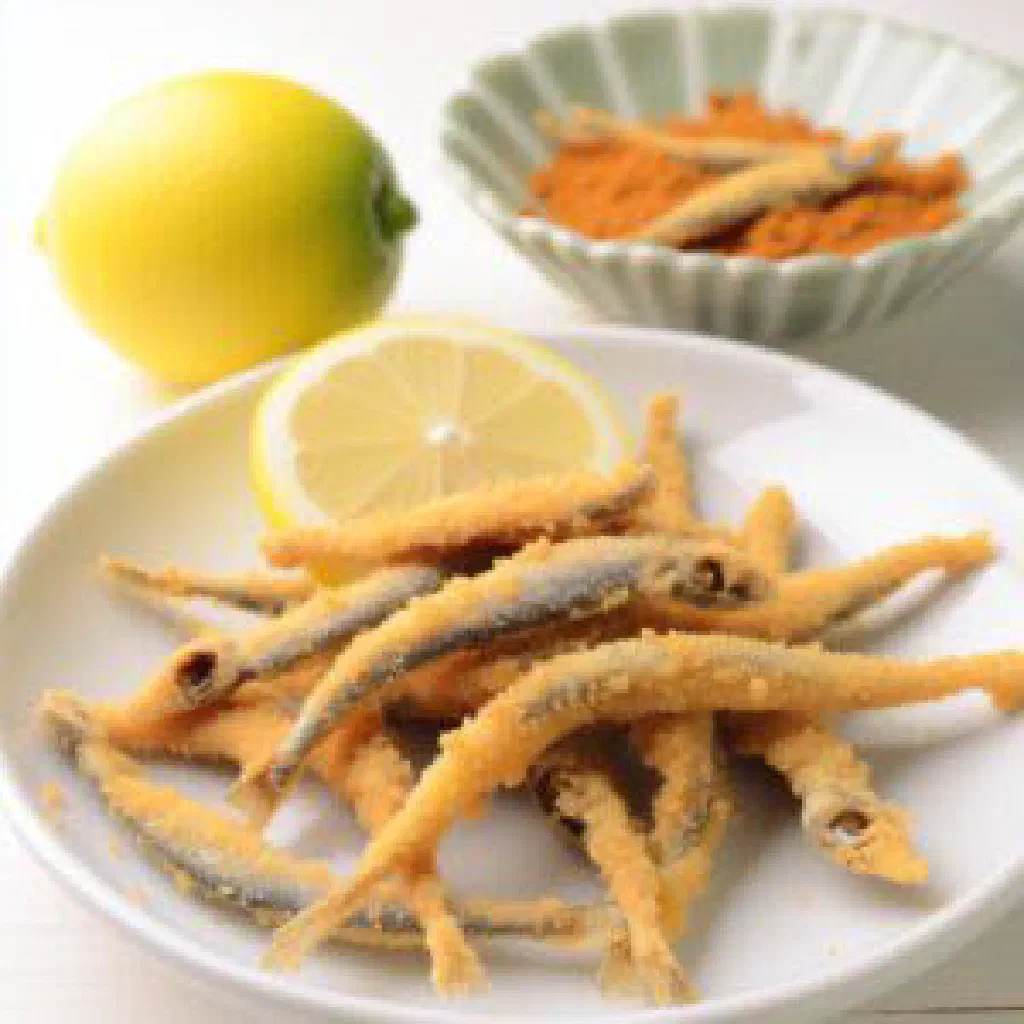
Meet Isambaza, the tiny silver fish that Burundi holds close to its heart. Pulled from the deep, clear waters of Lake Tanganyika, these delicate little anchovies are lightly floured and fried until wonderfully golden and crisp. Full of flavour and rich in nutrients, they make a moreish snack and an equally satisfying main course. Bring a taste of the Burundian lakeshore straight to your own kitchen with this simple, rewarding recipe.
About Isambaza
Isambaza, the small anchovies of Lake Tanganyika, are a genuine culinary highlight in Burundi. These tender little fish are prized for their distinctive flavour and for their high nutritional value. Traditionally they are fried or grilled and served with a variety of side dishes that round out the eating experience. Thanks to their versatility, isambaza work beautifully both as a snack and as a main course, making them a firm favourite of Burundian cuisine.
Ingredients (serves 1–2)
- 300 g isambaza (fresh or frozen anchovies)
- Flour, for coating
- Olive oil or peanut oil, for frying
- Salt and pepper, to taste
- Optional: lemon and herbs, to serve
Shopping for the ingredients
When preparing isambaza, it is well worth buying your ingredients fresh to get the very best flavour. Local markets in Burundi often stock the freshest fish of all. If you live outside Burundi, look for Asian or African grocery stores, which may carry isambaza or similar small fish such as the closely related Ndagala or Indagara. When choosing your flour, pick a good-quality one to make coating the fish easier and more even.
Preparing the dish
To begin preparing isambaza, first rinse the fish thoroughly under cold running water. This helps remove any residue and ensures a cleaner, better flavour. After washing, lay the fish on a kitchen towel to draw off the excess water. Then set out the flour in which the fish will be tossed before frying, so everything is ready to go once the pan is hot.
Step-by-step instructions
- Wash the isambaza thoroughly and pat them dry.
- In a bowl, mix the flour with a little salt and pepper.
- Toss the fish in the flour until they are completely coated.
- Heat a pan of oil and fry the fish for 3–5 minutes per side, depending on size, until golden brown.
- Drain the cooked isambaza on kitchen paper to remove any excess oil.
- Serve, if you like, with a squeeze of lemon juice and fresh herbs.
Gluten-free / lactose-free version
For a gluten-free version of isambaza, simply swap the regular flour for rice flour or a ready-made gluten-free frying mix. That way the recipe stays enjoyable for anyone with a gluten intolerance. There is no dairy in this dish, so it is naturally suited to those who are lactose-intolerant. Just take care that any other ingredients you add are also free from lactose.
Tips for vegans and vegetarians
Although isambaza is a fish dish, vegetarians and vegans can still adapt the recipe to their taste. In place of the fish, try aubergine, tofu or even battered vegetable florets as the base. These can be seasoned and fried in much the same way to create a delicious meat-free version. Remember to tailor the side dishes to your preferences too, a fresh Kachumbari salad works wonderfully here.
More tips and tricks
An important tip when frying isambaza is to watch the temperature of the oil. Make sure it is hot enough before adding the fish so they turn out properly crisp. Experiment with different spices to refine the flavour, too, a pinch of paprika or garlic powder can add an interesting note. Finally, adjust the frying time to your own taste, whether you prefer the fish extra crunchy or a little more tender.
Adapting the recipe to your taste
Isambaza is wonderfully flexible and easy to make your own. If you like more heat, add a pinch of chilli to the flour; for a milder result, keep the seasoning gentle. You can also play with the coating, from a fine dusting of flour for a lighter finish to a heavier dredge for extra crunch. This way you can create a plate of isambaza that suits your own palate exactly, much as the cooks behind Mukeke do with their lake fish.
Ingredient substitutions
If you cannot find isambaza, there are several alternatives to try in this recipe. Other small fish such as sardines or herring can be used to achieve a similar result. Vegetarian alternatives like courgette or mushrooms also fry up beautifully if you prefer a meat-free option. These substitutions offer a great way to vary the flavour and texture of the dish while keeping the method the same.
Drink pairing ideas
A range of drinks pairs nicely with isambaza and rounds out the eating experience. Traditionally a cool local beer is served, its crispness echoing the fried fish. A glass of lemonade is equally refreshing and harmonises well with the savoury flavour of the dish. Alcohol-free cocktails made with tropical fruit juices, think of a chilled Maracuja Saft, offer a fruity, thirst-quenching pairing.
Serving and presentation ideas
Presentation is a crucial part of any meal. Serve the isambaza on an attractive plate, garnished with fresh herbs and a wedge of lemon. Colourful sides such as rice or a crisp salad can give the dish extra life. Take care to arrange the fish evenly and thoughtfully for an appealing look. We eat with our eyes first, and an inviting presentation lifts the whole dining experience.
A bit of history
Isambaza have a long tradition in Burundian cooking, where they are treasured for their taste and as an important source of food for many people. Lake Tanganyika offers a rich variety of fish, and the sustainable use of these stocks is vital for the local community. In many regions, catching and eating these small fish is seen as part of Burundi’s cultural identity. Isambaza are therefore delicious and a genuine part of the country’s cultural heritage.
More recipe ideas
Summary: Isambaza
Isambaza are a fascinating dish that captures the spirit of Burundian cooking. The combination of fresh ingredients, traditional cooking methods and versatile side dishes makes them an experience that appeals to the palate and tells cultural stories in equal measure. Isambaza are always a treat. Experiment with different variations and savour the flavours of Burundi right at home.