National Dish Burundi: Pilau (Recipe)
In this article
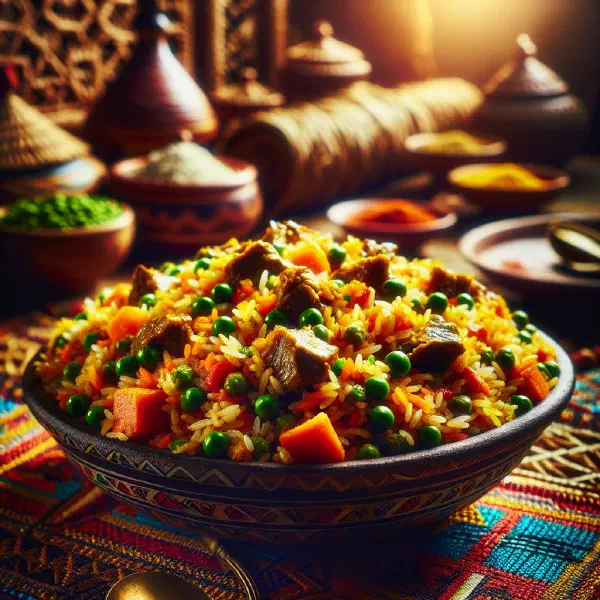
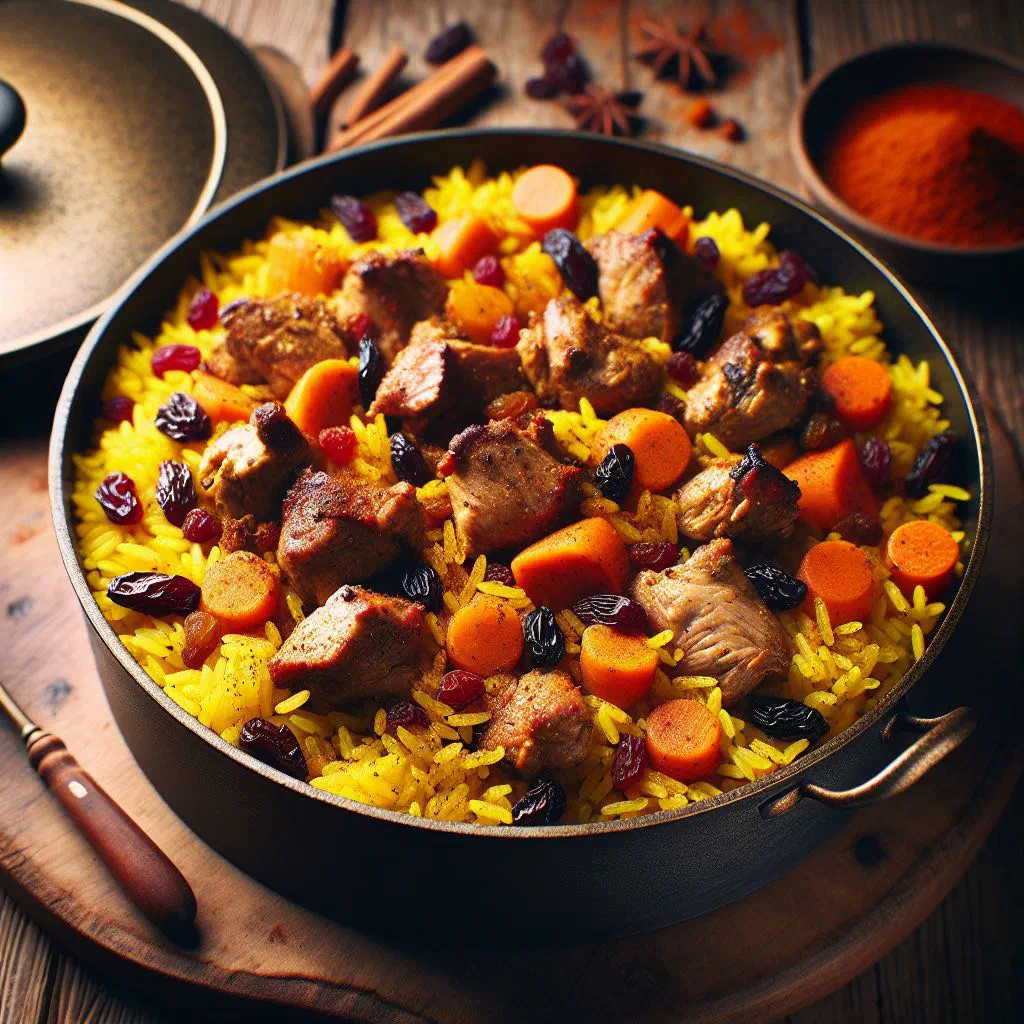
Say hello to Pilau, a fragrant rice dish that sits close to the heart of Burundian cooking. Tender pieces of meat, warming spices and a scattering of fresh vegetables come together over a single pan, filling the kitchen with the aroma of cumin and turmeric. Traditionally reserved for weddings and celebrations, it is a generous, festive plate that is surprisingly easy to bring to your own table.
About Pilau
The dish Pilau is a genuine celebration of flavour and a firm favourite in the kitchens of Burundi. At its core it is an aromatic rice dish, traditionally served on special occasions. You will find pilau not only in Burundi but across many other African countries, where every cook creates their own version. The combination of spices, fresh vegetables and tender meat turns this rice into a real culinary experience.
Ingredients (serves 1–2)
- 200 g rice
- 250 g chicken or beef
- 1 onion, diced
- 2 cloves garlic, chopped
- 1 teaspoon cumin
- 1 teaspoon turmeric
- 1 teaspoon paprika
- 2 cups vegetable stock
- Olive oil, for frying
- Optional: vegetables such as carrots or peas
Shopping for the ingredients
To prepare an authentic Pilau, it is important to choose fresh, good-quality ingredients. Many of the things you need, such as the spices and the rice, can be found in a well-stocked supermarket or an international grocery. Pay particular attention to the meat being fresh, as it contributes so much to the flavour of the dish. Some local markets even give you the chance to buy fresh vegetables straight from the grower, which raises the quality further still.
Preparing the dish
Before you start cooking, gather and prepare all the ingredients. The rice should be rinsed well before cooking to remove excess starch, which gives a lighter, fluffier result. The vegetables can be chosen to suit your taste and whatever is in season, so everything stays fresh. Have the spices ready too, so they can be distributed evenly through the dish.
Step-by-step instructions
- Heat a little olive oil in a pan and sauté the onions and garlic until softened and translucent.
- Add the meat and fry until browned all over.
- Sprinkle the spices over the meat and stir well to coat.
- Add the rinsed rice and mix everything together thoroughly.
- Pour in the vegetable stock and bring the mixture to the boil.
- Cover the pan, reduce the heat and let the pilau simmer for about 20 minutes, until the rice is cooked through.
Gluten-free / lactose-free version
Making Pilau without gluten or lactose is straightforward, so it suits every guest at the table. Just make sure the rice you use is always gluten-free and that no ingredients such as soy or wheat sauce sneak in. The spices are a natural part of the preparation and, as a rule, contain no allergens, which makes this a naturally inclusive dish.
Tips for vegans and vegetarians
Pilau adapts easily for vegans and vegetarians. Instead of meat, add vegetables such as aubergine, courgette or peppers. These bring flavour and a lovely range of colour. To boost the protein, you can fold in pulses such as chickpeas or black beans, much like the hearty legumes in Ibiharage. That way the dish stays both delicious and nourishing.
More tips and tricks
To make your Pilau even tastier, garnish it with fresh herbs such as coriander or parsley. Experiment with a handful of dried fruit like raisins or apricots for a gentle sweetness. Using different stocks can also intensify the flavour, helping you tailor the dish to your own liking. Small changes like these can have a big effect on the finished result.
Adapting the recipe to your taste
Pilau lends itself wonderfully to different tastes and preferences. Remember to choose the vegetables according to the season and what you enjoy most. Some people prefer a little heat and can add chilli or pepper. The choice of meat can be varied too, which opens up even more ways to shape the dish around your own preferences.
Ingredient substitutions
If you are looking for alternatives for the traditional Pilau, you can try different types of rice, such as wild rice or quinoa, to achieve a different texture. Instead of vegetable stock, a rich vegetable fond or a homemade broth will lend the dish a more intense flavour. With the spices, you can also adjust the type or the intensity to suit your preference and create a truly personal aroma.
Drink pairing ideas
To round off the experience with Pilau, refreshing drinks make a wonderful match. A light sparkling drink or a fruity juice is a good companion. Try a homemade Ginger Juice for a lively, warming touch. If you fancy something alcoholic, a light beer or a fruity white wine complements the aromas beautifully. Traditional Burundian drinks, such as sorghum beer, are another option for a more authentic experience.
Serving and presentation ideas
Presentation plays a big part in serving Pilau. Bring the dish to the table in a large, attractive bowl that shows off the colours and textures. Fresh herbs and a few slices of lemon or lime can be added as decoration, giving the dish that certain something. Reach for interesting plates or bowls too, to underline the festive character of the meal, perhaps alongside a fresh Kachumbari salad.
A bit of history
The history of Pilau reaches far back and reflects the cultural influences of many regions. Originally from the Arab world, pilau has adapted across many countries and developed an identity of its own. In Burundi it is often served on special occasions such as weddings or festivals, underlining the dish’s importance in Burundian culture. It symbolises a nourishing meal and hospitality and togetherness, values you also taste in a plate of grilled Brochettes.
More recipe ideas
Summary: Pilau
In short, Pilau is far more than a simple rice dish; it is an expression of Burundian culture and hospitality. The many variations of the dish let you adapt it to your own personal tastes. Whether with vegetables, fully vegan or in the traditional form with meat, it offers countless possibilities for every palate. Let the aromas of Burundi inspire you and enjoy a piece of African cuisine, a proud part of Burundian cuisine, right in your own home.