National Dish Burundi: Ubugali (Recipe)
In this article
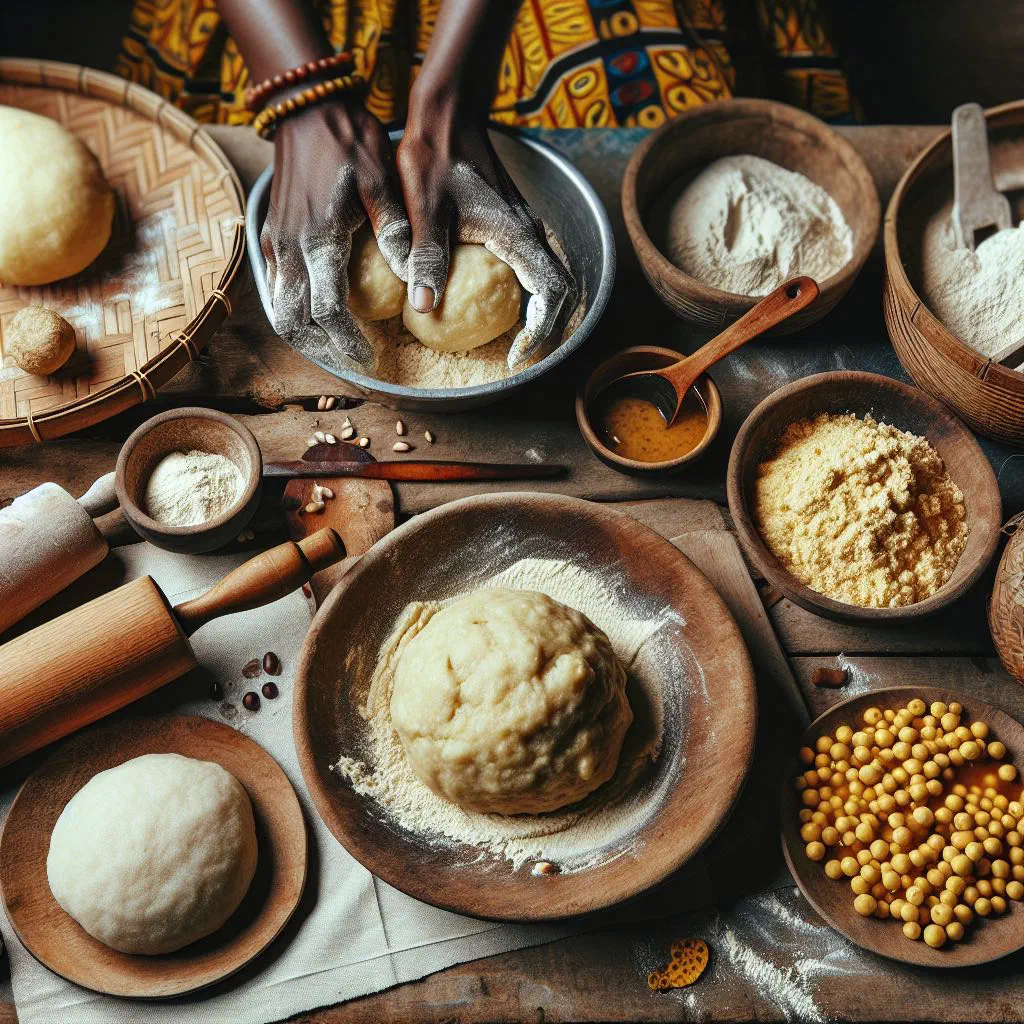
Meet Ubugali, the humble maize staple that sits at the heart of the Burundian table. Made from little more than maize flour and water, it cooks up into a firm, satisfying mound that soaks up the flavours of whatever stew or grilled meat it accompanies. Quick to prepare and wonderfully filling, it delivers the honest, everyday taste of Burundi and turns any spread into a proper meal. Bring a little East African comfort straight to your own kitchen.
About Ubugali
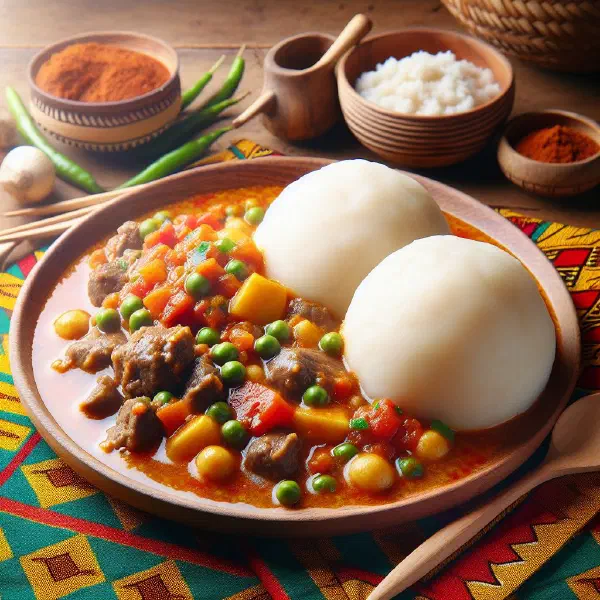
Ubugali is a traditional dish from Burundi, most often served as a hearty side. It is built around just two things, maize flour and water, which together make for a nourishing, energy-rich staple. Ubugali has a firm, starchy texture and is typically paired with a range of stews and meat dishes, ready to mop up their sauces. The preparation is quick and straightforward, which makes it ideal for just about any occasion. As the mainstay of countless meals, it is a true cornerstone of Burundian cuisine.
Ingredients (serves 1–2)
- 1 cup maize flour
- 2 cups water
- A pinch of salt (optional)
Shopping for the ingredients
The ingredients for ubugali are easy to come by. Maize flour can be found in most supermarkets or in international grocery shops. It is worth paying attention to the quality of the flour, as this makes a real difference to the final taste. If you live somewhere the ingredients are harder to track down, you can always try ordering them online, much as you might for the simple staples behind Ugali.
Preparing the dish
Before you start cooking ubugali, it is important to have everything ready to hand. Make sure you have a large pan and a whisk within reach. Getting the proportions right is key to the correct texture, so measure your ingredients carefully. Salt can be added to taste, but it is by no means essential, the dish works perfectly well without it.
Step-by-step instructions
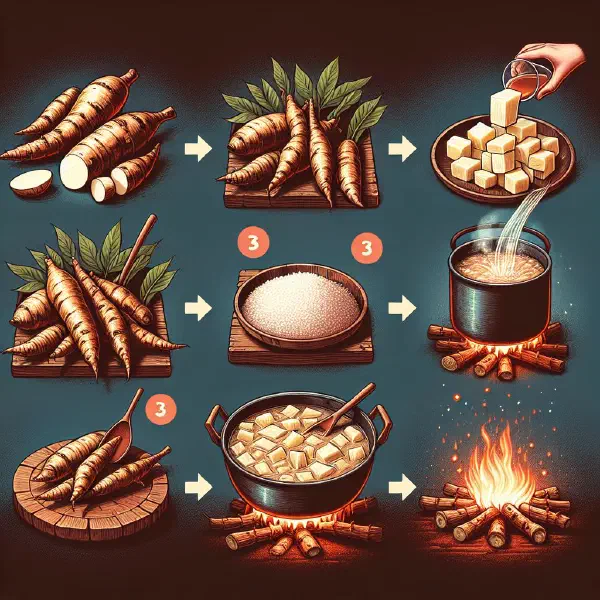
- Bring 2 cups of water to the boil in a pan.
- Add a pinch of salt if you like.
- Reduce the heat and slowly sprinkle in the maize flour, stirring constantly.
- Keep cooking the mixture until it thickens and pulls away from the sides of the pan.
- Take the pan off the heat and let the ubugali cool slightly.
- Shape the ubugali into your preferred form using a spoon or your hands.
Gluten-free / lactose-free version
Ubugali is naturally gluten-free, as it is made entirely from maize flour. That makes it a great option for anyone with a gluten intolerance. Just be sure that every ingredient you use is clearly labelled, so you can rule out any cross-contamination with gluten. Since the dish contains no animal products whatsoever, it is also completely lactose-free.
Tips for vegans and vegetarians
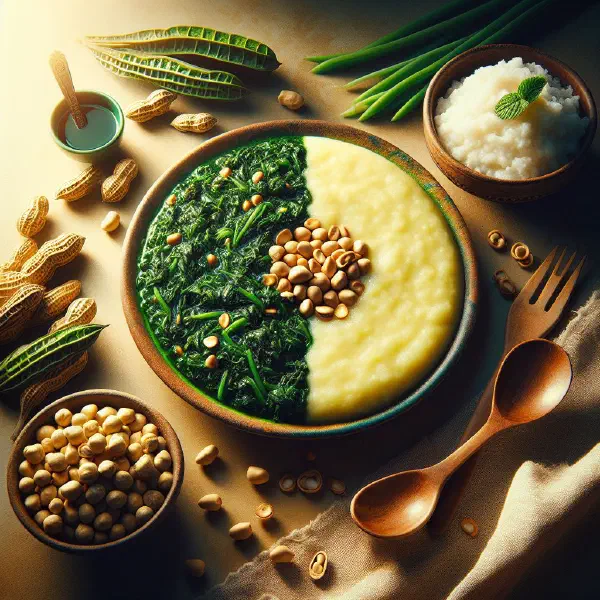
For vegans and vegetarians, ubugali is a superb side that slots easily into all sorts of meals. Pair it with vegetable stews for a complete and satisfying plate, in the same spirit as a hearty Isombe. Its simple preparation means you can vary the dish with whatever vegetables you fancy, which adds variety and boosts the range of nutrients on your plate.
More tips and tricks
To get ubugali just right, the trick is to stir continuously so no lumps form. You will know the texture is good when the ubugali is smooth and easy to shape. Sometimes it helps to cook the dish a little longer to reach the firmness you are after. You can also blend different types of flour together to create interesting new flavours.
Adapting the recipe to your taste
Ubugali is easy to tailor to your own preferences. Adding herbs or spices during cooking can bring an extra layer of flavour. Experimenting with different flours, such as millet or rice flour, can also give exciting results. The texture itself can be adjusted simply by changing the amount of water and the cooking time.
Ingredient substitutions
If maize flour is hard to find, there are alternatives such as rice flour or plantain flour that give similar results, the latter echoing the starchy comfort of Matoke. These stand-ins work well for gluten-free versions and let you interpret the dish in different ways. Playing around with different types of flour can make the dish even more exciting.
Drink pairing ideas
Ubugali goes wonderfully with a variety of drinks. Traditionally it is often served with a cup of hot tea or a glass of local fruit juice, such as a bright Maracuja Juice. A light beer can also make a refreshing companion to this dish. It is worth leaning towards non-alcoholic options, so as not to mask the clean, simple taste of the ubugali itself.
Serving and presentation ideas
Ubugali can be presented in a way that is both simple and inviting. Serve it on a large plate with a pretty garnish of fresh herbs or some grilled vegetables. Shaping it into small individual portions can boost its appeal and make it easier for guests to help themselves. Remember to serve the dish warm to guarantee the best possible eating experience.
A bit of history
The origins of ubugali reach far back into the traditional kitchens of Africa, where it has long served as a staple food. It is popular not only in Burundi but across other East African countries too. Over generations it has established itself as a pillar of the Burundian diet and often finds its place on the table at festive gatherings. Ubugali is a symbol of community and hospitality within the culture of Burundi, sharing its roots with cousins like Ubugari and Umutsima.
More recipe ideas
Summary: Ubugali
Ubugali is a wonderfully easy dish to prepare and a versatile side that truly represents the cuisine of Burundi. With its flexible preparation and countless pairing possibilities, it has every chance of becoming a real star on your table. Through its ties to the traditions and culture of Burundi, it brings an authentic, international note to your kitchen.