National Dish Burundi: Ubugari (Recipe)
In this article
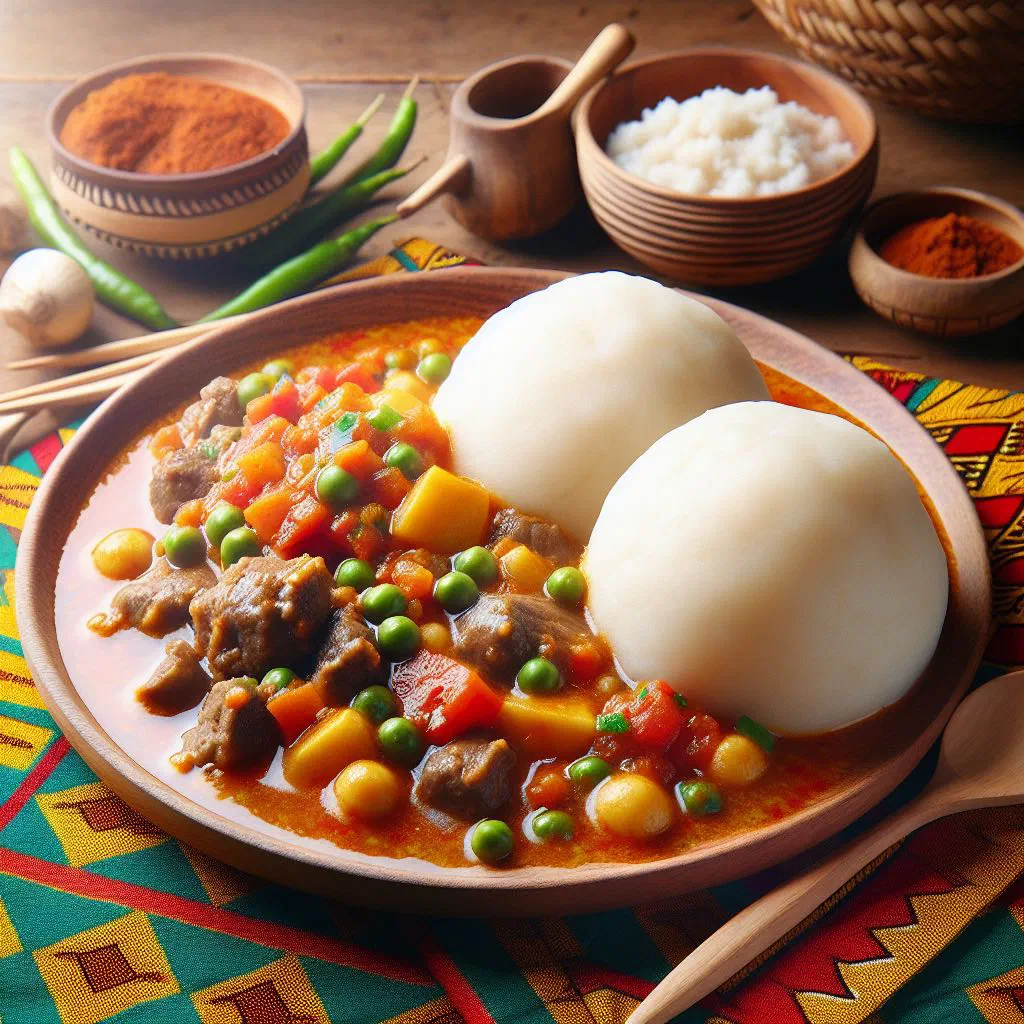
Meet Ubugari, the humble heart of the Burundian table. Made from little more than cassava or maize flour and water, this soft, gently sticky staple is the perfect partner to rich stews and bright sauces. Simple to prepare yet deeply woven into everyday life, ubugari is as much a symbol of warmth and hospitality as it is a filling meal. Bring a taste of Burundi’s traditions to your own kitchen with this easygoing classic.
About Ubugari
Ubugari is the national dish of Burundi and a true everyday delicacy, easy to make, yet offering a genuine window into Burundian culture. The dish is built mainly from cassava or maize flour and has a characteristic, slightly sticky consistency. Ubugari is most often served as an accompaniment to various sauces or stews, which turns it into a satisfying, complete meal. More than just a staple food, it is a symbol of hospitality, shared at celebrations and on special occasions.
Ingredients (serves 1–2)
- 200 g cassava flour or maize flour
- 500 ml water
- A pinch of salt
Shopping for the ingredients
The ingredients for ubugari are refreshingly easy to track down. Cassava or maize flour can be found in most grocery shops or at Asian supermarkets. If you live in a multicultural neighbourhood, there may also be specialist stores that stock African products. It is worth paying attention to the quality of the ingredients, as they have a real influence on the flavour of the finished dish.
Preparing the dish
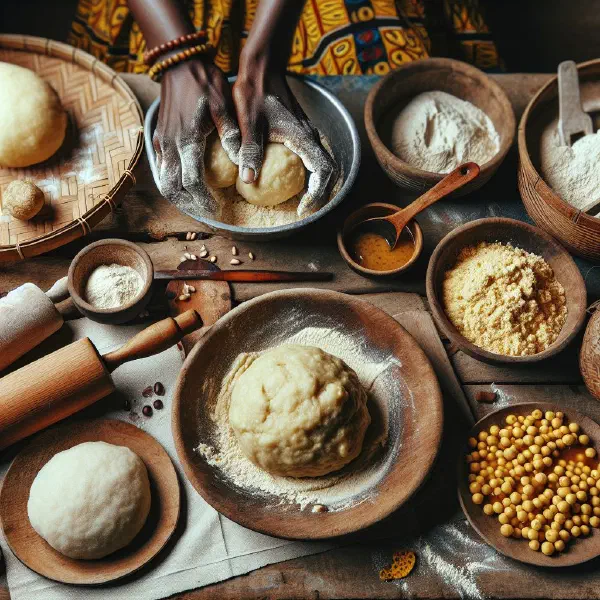
Before you start cooking ubugari, have all your ingredients ready to hand. Make sure the water is boiling before you add the flour, and it is a good idea to tip the flour into a bowl first to help avoid lumps. A tidy, well-prepared kitchen makes the whole cooking process noticeably smoother.
Step-by-step instructions
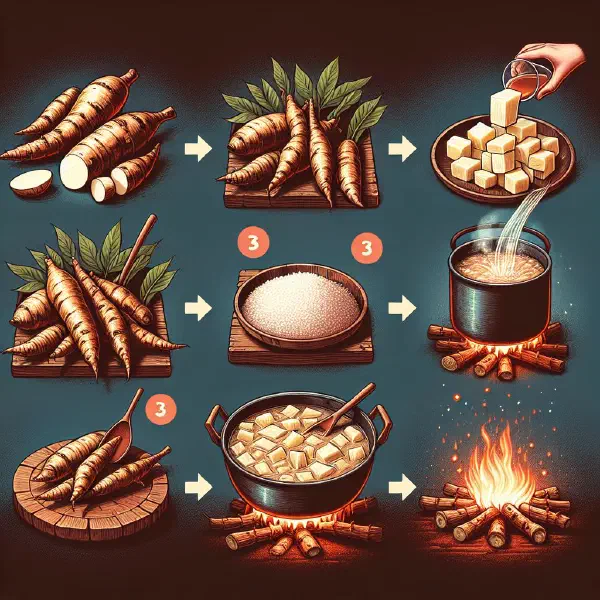
- Bring 500 ml of water to the boil in a large pan.
- Add a pinch of salt to the water for flavour.
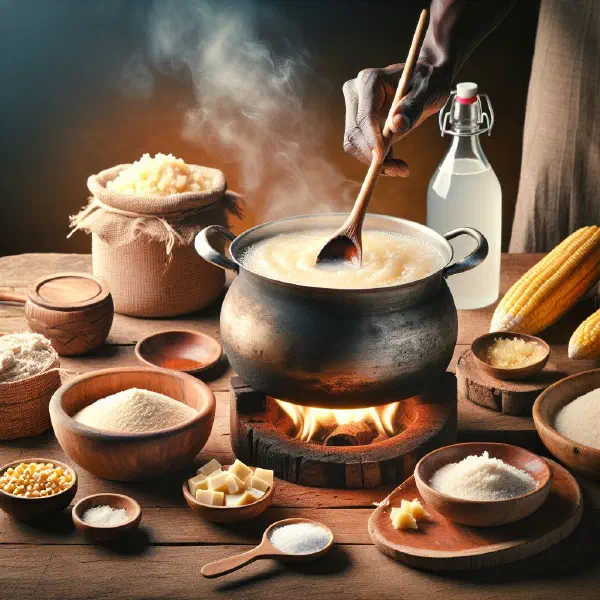
- Slowly sprinkle in the cassava or maize flour, stirring constantly to prevent lumps forming.
- Reduce the heat and let the ubugari simmer for 10–15 minutes, stirring occasionally, until it reaches the desired consistency.
- Once ready, take the pan off the heat and shape the ubugari into portions using a spoon or a bowl.
Gluten-free / lactose-free version
Ubugari is ideal for anyone with a gluten intolerance, since both cassava and maize flour are naturally gluten-free. That makes it a wonderful option for those avoiding gluten. The recipe also needs no dairy at all, which means it suits lactose-intolerant eaters too. So plenty of people can enjoy this hearty speciality without having to miss out.
Tips for vegans and vegetarians
Ubugari is an excellent choice for vegans and vegetarians, as it is entirely plant-based and contains no animal products. To make it even more nourishing, serve it with mixed vegetables or plant-based protein sources such as lentils. This creates a well-balanced meal and brings extra flavour to the plate. Paired with a robust sauce, ubugari becomes a hearty and nutritious option, much like a comforting plate of Beans and Bananas.
More tips and tricks
For the best results, make sure the water is genuinely boiling before you add the flour. This encourages an even texture and helps prevent lumps. A whisk can be useful for stirring the ubugari smoothly as it cooks. A splash of lemon juice or a little stock can also lend the dish some extra depth of flavour.
Adapting the recipe to your taste
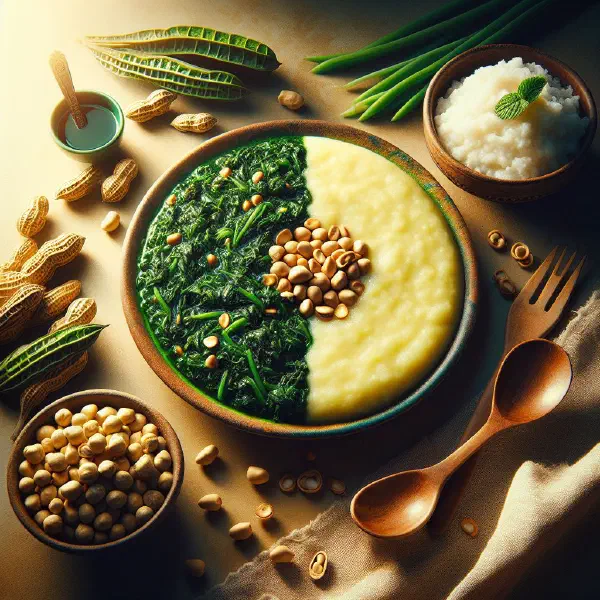
The beauty of ubugari is that you can adapt it entirely to your own taste. Try it with different sauces, tomato sauce, peanut sauce or even a fiery chilli sauce, to create new flavour combinations, as you might with Isombe. You can also vary the consistency simply by adjusting the amount of water you use. Experiment to discover which variations you enjoy most.
Ingredient substitutions
If you do not have cassava or maize flour to hand, you can experiment with other flours, though this will affect the classic texture of ubugari. Rice or buckwheat flour are a couple of alternatives you might try, though you may need to tweak the method a little. Take care that any alternatives are free from gluten-containing ingredients if you want to keep the dish gluten-free. For the best flavour, however, it is worth sticking with the traditional flours.
Drink pairing ideas
A hearty dish like ubugari pairs beautifully with a range of drinks. A fresh fruit juice or a freshly brewed tea makes a refreshing combination, a chilled Passion Fruit Juice works especially well. If you prefer something alcoholic, a light beer or an African wine would be a good choice.
Serving and presentation ideas
Thoughtful presentation can lift the whole ubugari experience. Serve the dish on an attractive plate and garnish it with fresh herbs or vegetables to add colour and texture. Use small bowls for the accompanying sauces to create an inviting, appealing table setting. Remember that the way you present your food has a big impact on how it is enjoyed, so make it a feast for the senses.
A bit of history
The roots of ubugari reach deep into the history of Burundi. It is regarded as one of the oldest dishes in the region and has stood the test of many generations. Preparing and sharing ubugari is part of Burundian tradition and culture, which is strongly shaped by agriculture. Ubugari reflects the values of community and coming together, making it an essential part of the Burundian way of life and a cornerstone of Burundian cuisine.
More recipe ideas
Summary: Ubugari
Ubugari is more than just a dish. It is an expression of Burundian culture and hospitality. With its simple ingredients and uncomplicated preparation, you can easily bring this warming, nourishing meal into your own cooking routine. It offers endless scope for variation and adaptation, so it suits any occasion. Experience the flavours of Burundi and enjoy a journey into the traditions of this fascinating country.