National Dish Burundi: Ugali (Recipe)
In this article
Discover Ugali, the hearty maize-meal staple at the very heart of Burundian cooking. Simple yet deeply satisfying, this firm cornmeal dish is the perfect partner for rich stews and vegetables, soaking up their flavours beautifully. Traditionally shaped by hand and shared at the table, ugali is more than food. It is a warm invitation to gather round and eat together. Bring a taste of Burundi’s everyday comfort straight to your own kitchen.
About Ugali
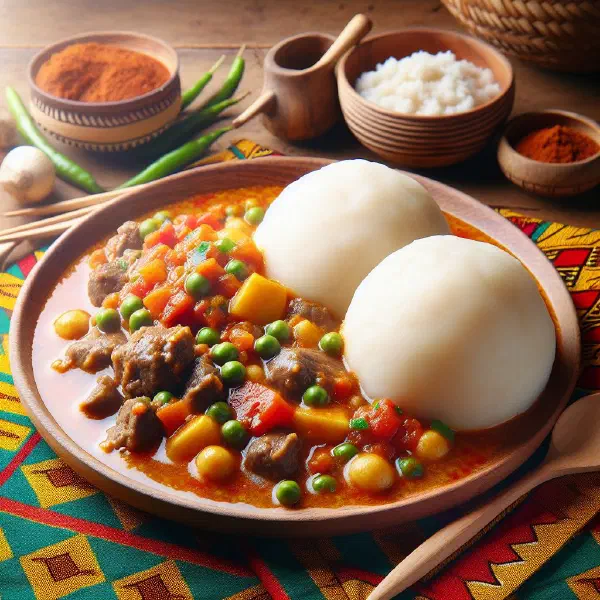
Ugali is an essential part of Burundian cuisine, made chiefly from maize meal. It is a simple but nourishing dish, brought to life by serving it alongside various stews or vegetables. Ugali has a firm, dense texture and is often eaten with the hands, which strengthens the shared, communal spirit of the meal. Across Burundi the flavours and preparations of ugali are wonderfully varied, and every plate tells its own story of tradition and culture.
Ingredients (serves 1–2)
- 150 g maize meal
- 500 ml water
- A pinch of salt
Shopping for the ingredients
The ingredients for ugali are easy to find in most supermarkets, especially those with a broad range of international products. Take care to choose good-quality maize meal for the best possible flavour. Fresh water matters too, since it forms the very base of the recipe. It is well worth visiting local markets, where you will often find fresh ingredients and authentic products that can enrich the dish.
Preparing the dish
Before you begin, make sure you have all your ingredients to hand. The correct ratio of water to maize meal is crucial for the texture of ugali, so precise measuring really matters. It can help to read through a recipe like this one first to get a feel for the process. Don’t forget to lay out the utensils you will need for cooking: a pan, a wooden spoon and a bowl for serving.
Step-by-step instructions
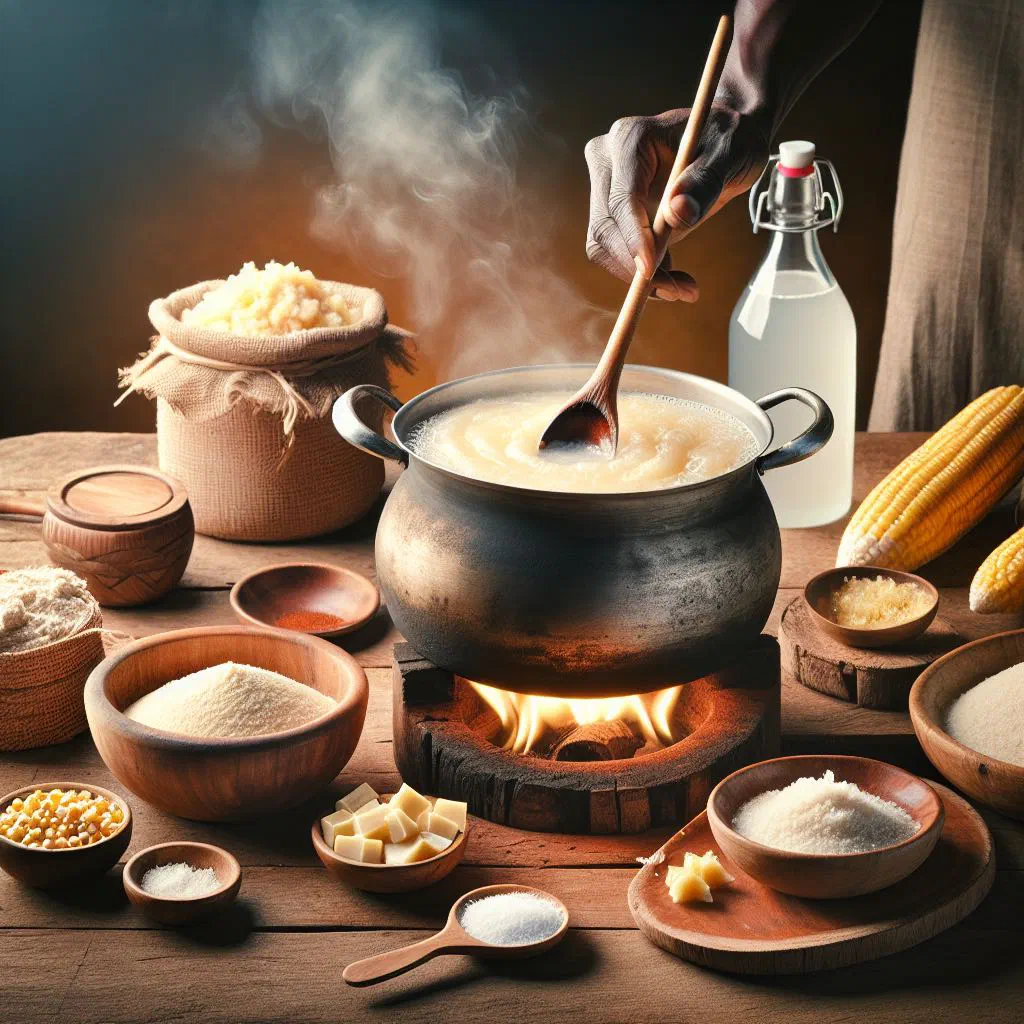
- Bring the water to the boil in a pan and add a pinch of salt.
- Reduce the heat and add the maize meal slowly, stirring constantly.
- Keep stirring until the mixture thickens and pulls away from the sides of the pan.
- Cover the pan and let the ugali rest for about 5 minutes.
- Turn the ugali out onto a plate and shape it as you like.
- Serve ugali with a stew or some tasty vegetables of your choice.
Gluten-free / lactose-free version
Ugali is naturally gluten-free, as long as you use pure maize meal. For a lactose-free preparation no dairy products are needed at all, which makes the dish suitable for a wide range of diets. Do take care that your accompaniments are also free from gluten and lactose to keep the meal completely allergen-free. You could also try other flours such as rice flour to create variations and diversify the taste.
Tips for vegans and vegetarians
Ugali is an excellent foundation for vegan and vegetarian meals. To make the dish even more nourishing, serve it with colourful vegetables or protein-rich pulses. Lift your accompaniments with spices or sauces to boost the flavour and create a well-rounded plate. Ugali also works brilliantly as a filling component in a plant-based diet, which often features a generous share of vegetables, much as it does alongside a hearty helping of Ibiharage.
More tips and tricks
To make preparing ugali easier, there are a few tricks worth knowing. Let the ugali steam off a little before serving, as this improves the texture. While cooking, regulate the heat to avoid scorching, and it helps to stir constantly to achieve an even consistency. Experiment with different seasonings to add your own signature touch and make your ugali truly personal.
Adapting the recipe to your taste
The recipe for ugali is easy to adapt to personal preference. You can vary the amount of maize meal to change the texture just the way you like it. You might also add stock to the water for a richer flavour. With creative accompaniments, such as spiced vegetables or a variety of sauces, you can tailor the flavours to your taste and keep discovering new eating experiences every time.
Ingredient substitutions
If you cannot find maize meal, you can also use other kinds of flour, such as rice flour or millet flour. These flours have different textures, but they still bring their own character to the dish, the same spirit of adaptation that shapes a plate of Matoke. Experiment with different water ratios to find the perfect consistency for your taste. Just take care to adjust cooking times and methods accordingly to get the best result.
Drink pairing ideas
Ugali pairs beautifully with a range of drinks that complement the meal. Traditionally, a simple unsweetened drink is often served alongside to let the flavours of the food shine. Fruit juices or a fresh lemonade can offer a refreshing accompaniment. For those looking for something more savoury, vegetable broths or meat soups are also great companions to your dish, rounding out the full flavour experience.
Serving and presentation ideas
Presentation plays an important part in serving ugali. Use a shallow dish or a plate to place the food and shape the ugali into an attractive form. Garnish it with fresh herbs or colourful vegetables to please the eye and the palate alike. Thoughtful presentation adds to a festive atmosphere, especially at shared meals, and makes your dish all the more inviting. Perfect next to a fresh Kachumbari.
A bit of history
Ugali has a long history and is rooted as a staple food across many African cultures. In Burundi it is often eaten together with stews or fried vegetables, which highlights the communal character of the meal. Its preparation has evolved over generations, and every country has its own variations, shaped by local ingredients. Ugali is a symbol of the shared food culture of Burundian society, at the very core of Burundian cuisine.
More recipe ideas
Summary: Ugali
In summary, ugali is not merely a simple dish but a meeting point of tradition, culture and flavour. It is versatile to prepare and can be adapted with different accompaniments and seasonings. Whether as a main or a side, ugali enriches any meal with its hearty, nourishing character. Let the culinary variety of Burundi inspire you and enjoy this delicious dish.