National Dish Burundi: Umuneke (Recipe)
In this article
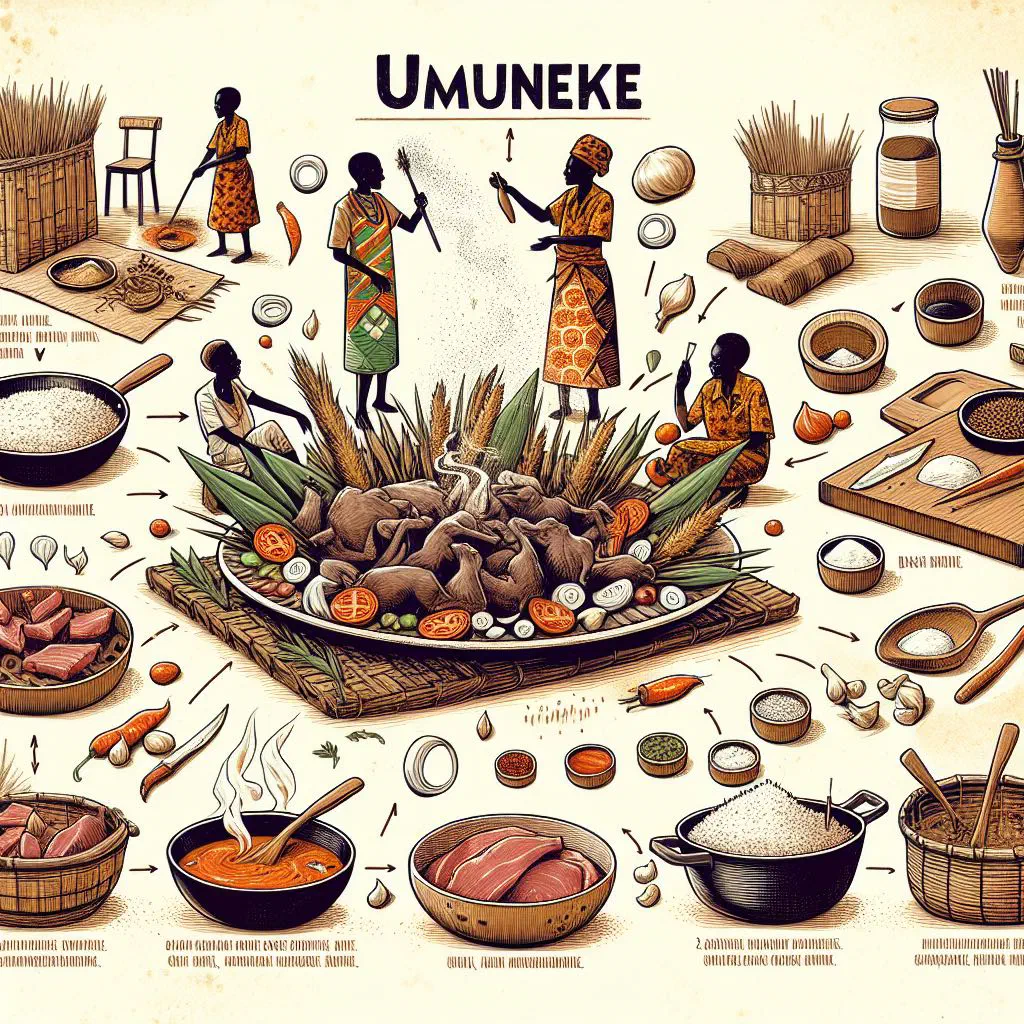
Discover Umuneke, a comforting national dish from Burundi that brings together the natural sweetness of ripe banana with the earthy warmth of cornmeal. This hearty, wholesome dish is far more than a simple meal. It is a cultural touchstone, often shared among family and friends. The gentle mingling of flavours and textures makes every spoonful satisfying, and it offers a delicious window into the heart of Burundian home cooking.
About Umuneke
Umuneke is a delicious and nourishing national dish from Burundi, built around a harmonious blend of banana and cornmeal. Far more than just something to fill the stomach, it carries real cultural meaning and is frequently served when people gather together. The different aromas and textures of the ingredients come together to create a unique eating experience. That makes Umuneke a true highlight of Burundian cuisine, one that is sure to win over international palates as well.
Ingredients (serves 1–2)
- 250 g cornmeal
- 2 large ripe bananas
- 500 ml water
- 1 pinch of salt
- 2 tablespoons oil (optional)
Shopping for the ingredients
When shopping for the ingredients for Umuneke, it is important to pick out fresh, ripe bananas. Make sure the cornmeal is good quality too, as it has a real impact on the flavour of the finished dish. You can also use gluten-free cornmeal, which makes the dish suitable for anyone with a gluten intolerance. Consider whether you would like to add a little extra oil to refine the texture and taste.
Preparing the dish
Before you begin making Umuneke, it is wise to gather all the ingredients you will need. Peel the bananas and cut them into small pieces so they are easier to work with later on. Make sure you set aside enough time for the cooking process, as the dish needs a while to reach the right consistency. If you have particular dietary needs, gluten-free or vegan, for example, you can adjust the ingredients to suit.
Step-by-step instructions
- Bring the water to the boil in a saucepan.
- Add the cornmeal slowly, stirring constantly to avoid any lumps forming.
- Stir in the chopped bananas and a pinch of salt, mixing well.
- Continue to cook the mixture over medium heat until it thickens to a rich consistency.
- Optional: stir in a little oil at the end to enrich the dish.
Gluten-free / lactose-free version
Making Umuneke is naturally gluten-free, as long as you take care to use gluten-free cornmeal. There is no lactose in this recipe at all, so it works beautifully for anyone with a lactose intolerance. It is always worth checking where your ingredients come from to be sure there is no cross-contamination. That way you can be confident your dish is suitable for every diner at the table.
Tips for vegans and vegetarians
Umuneke is naturally vegan and vegetarian, which makes it a wonderful choice for anyone eating a plant-based diet. Just make sure every ingredient you use is entirely plant-based. You can also vary the recipe by adding different vegetables, for instance, to boost its nutritional value. It is a perfect way to experiment with different flavour combinations and tailor the dish to your own way of eating.
More tips and tricks
To make Umuneke even more interesting, play around with the seasonings and add some regional herbs. A hint of grated ginger or garlic gives the dish an extra dimension of flavour. Keep an eye on the consistency of the mixture; it should be neither too runny nor too stiff. Experiment with the cooking time to find the perfect flavour and texture for your own personal enjoyment.
Adapting the recipe to your taste
Umuneke is remarkably adaptable and easy to vary according to personal taste. You could, for example, use a mix of different banana varieties to bring out different flavours. For a sweeter version, a little honey or another sweetener could be stirred in. If you are after a more savoury take, extra vegetables or spices would make an interesting addition, much like the hearty comfort of Beans and Bananas.
Ingredient substitutions
If you do not have any cornmeal to hand, rice flour could be a suitable alternative, though it will change the texture of the dish. For an even richer flavour, you can also use coconut flour. If you want to replace the bananas, puréed apples or pears could offer some interesting variations. Either way, it is well worth experimenting a little and trying out new flavour combinations, the kind of resourceful cooking you also find in Matoke.
Drink pairing ideas
A range of drinks suits Umuneke, depending on your preferences. A refreshing fresh fruit juice or a hearty beer complements the dish perfectly. Traditional drinks such as fermented beverages are also an excellent choice for celebrating the local culture. Try a splash of tangy Passion Fruit Juice. A cup of tea can make a tasty accompaniment too, especially when it is lightly sweetened.
Serving and presentation ideas
Presentation is key to making Umuneke look inviting. Serve the dish in a decorative bowl or on a tastefully arranged plate. Fresh herbs or edible flowers can be used as a garnish to bring out the colours of the dish. An appealing presentation turns the meal into something special and draws the attention of your guests. Alongside a scoop of Ubugali, it makes for a generous, welcoming spread.
A bit of history
Umuneke has deep roots in Burundian culture and has been prepared in many households across generations. It reflects the traditions of Burundian cuisine, which draws heavily on local farming and seasonal ingredients. Celebrations and gatherings are often the occasions on which Umuneke is served, and it helps foster a strong sense of community. By making and enjoying this dish, the old traditions are kept alive. It sits proudly among the staples of Burundian cuisine.
More recipe ideas
Summary: Umuneke
In summary, Umuneke is a delicious and nourishing dish that beautifully unites the cultural diversity and traditional flavours of Burundi. With its simple preparation and adaptable ingredients, it suits many palates and is ideal for sociable occasions. The dish enriches the flavour of a meal and the shared experience of eating together. Give it a try and let the varied flavours of Burundi inspire you.