National Dish Cambodia: Kroeung (Recipe)
In this article
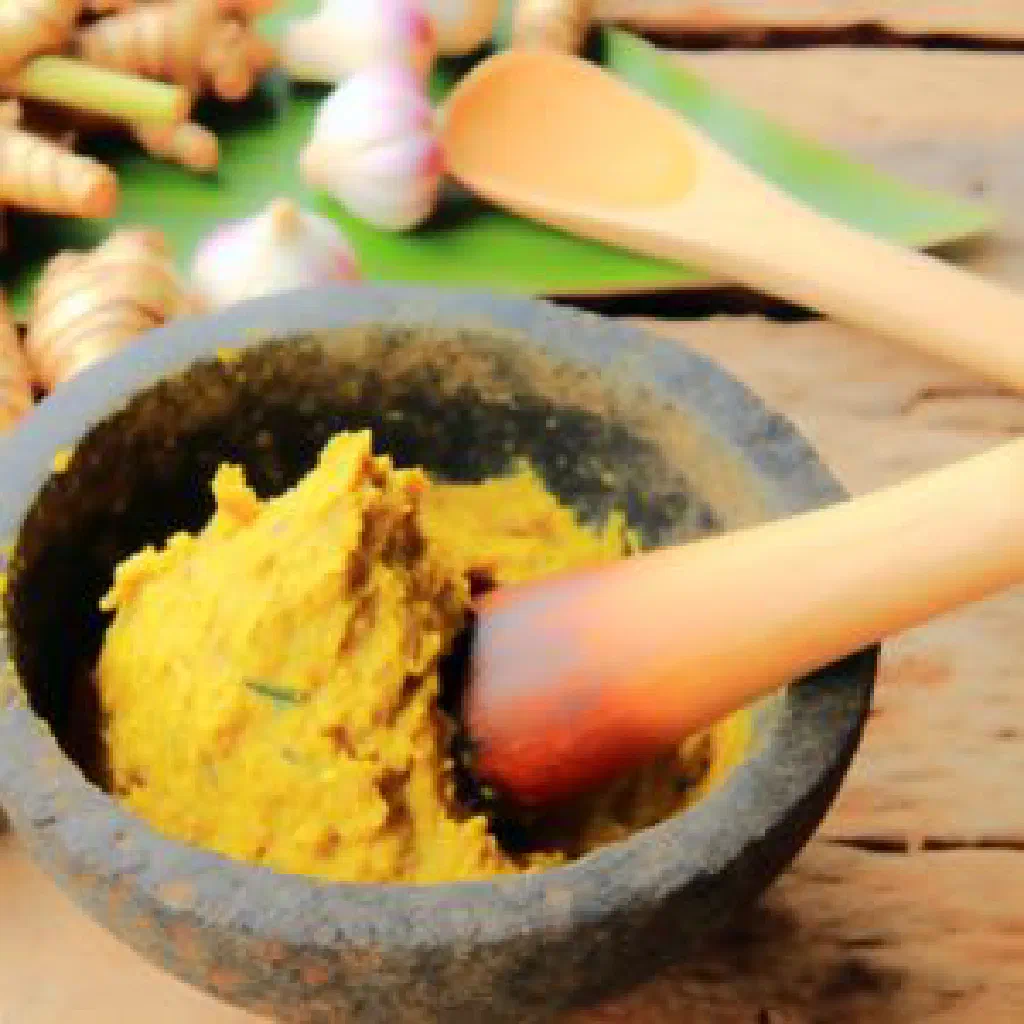
Discover Kroeung, the fragrant spice paste at the very heart of Cambodian cooking. This lively blend of fresh herbs, roots and spices lends an unmistakable depth to meat, fish and vegetable dishes alike. Pounded together in a pestle and mortar, it releases the bright, earthy aromas of lemongrass, galangal and turmeric that define Khmer flavour. Bring an authentic taste of Cambodia straight into your own kitchen with this endlessly useful staple.
About Kroeung
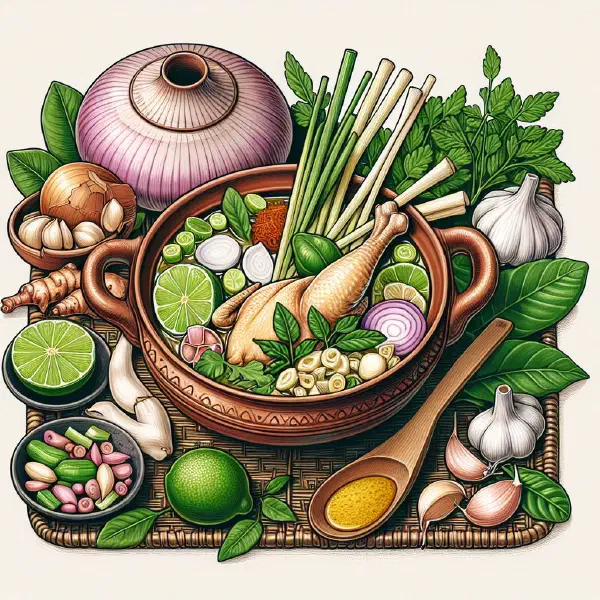
Kroeung is an aromatic spice paste that plays a defining role in Cambodian cuisine. It is built from a powerful mix of fresh herbs, spices and sometimes chilli, all of which give dishes an intense and unmistakable flavour. The paste is used as the base for many traditional recipes, working equally well with meat, fish and vegetables. If you are longing for an authentic taste of Cambodia, kroeung is an absolute must in your kitchen.
Ingredients (serves 1–2)
- 2 stalks lemongrass
- 1 shallot
- 4 garlic cloves
- 1 teaspoon ground turmeric
- 1 teaspoon galangal (fresh or dried)
- 1–2 red chillies (to taste)
- 2 tablespoons fish sauce or soy sauce (for vegans)
- 2 tablespoons vegetable oil
- Fresh coriander leaves, to garnish
Shopping for the ingredients
The ingredients for kroeung are usually available in Asian grocery shops or well-stocked supermarkets. Try to use fresh herbs, as they improve the flavour of the spice paste considerably. Fresh lemongrass and galangal, both widely used across Asian cooking, are especially good. If you cannot find fresh ingredients, there are also plenty of dried and powdered versions that can make the preparation easier.
Preparing the dish
Preparing kroeung is fairly straightforward, but it is important to handle the ingredients correctly. Begin by cutting the lemongrass and galangal into small pieces so they are easier to work with. It is worth peeling and preparing the shallot and garlic well too, to achieve a smooth, even paste. Blending and pounding the components properly in a mortar or blender is crucial to the final aroma of the kroeung paste.
Step-by-step instructions
- Prepare all the fresh ingredients and chop them finely.
- Put the prepared ingredients into a mortar or blender.
- Add the spices (ground turmeric and chilli).
- Blend the paste well until you have a smooth, homogeneous mixture.
- Add the fish sauce or soy sauce and blend thoroughly once more.
- Store the kroeung paste in an airtight container (it keeps in the fridge for up to a week).
Gluten-free / lactose-free version
Kroeung is naturally gluten-free and lactose-free, as long as you use the right ingredients. In place of fish sauce you can choose a gluten-free soy sauce, ensuring the dish is suitable for anyone with an intolerance. Take care when using oils or other ingredients that might contain gluten. That way you can enjoy this delicious paste without any worries about allergic reactions.
Tips for vegans and vegetarians
Kroeung is an excellent recipe that is easily adapted for vegan and vegetarian diets. Instead of fish sauce, you can use soy sauce or a fermented bean paste to give the paste the same savoury depth. You can also vary the dish with different vegetables such as aubergine, carrots and courgette, keeping it interesting every time. These adjustments allow everyone to enjoy the rich flavours of Cambodia.
More tips and tricks
To get the very best from your kroeung, it is worth letting the paste rest for several hours before you use it. This allows the aromas to develop fully and become more intense. You can also adjust the consistency of the paste to your taste by adding more or less oil. A splash of lime juice just before serving intensifies the flavours and adds a fresh kick.
Adapting the recipe to your taste
Kroeung is extremely adaptable, which means you can vary the ingredients to suit your own taste and preferences. Try adding different herbs or spices to create unique flavour combinations. One interesting variation is to add fresh ginger for an extra layer of warmth. Remember to adjust the heat of the chilli too, especially when cooking for guests who may be more sensitive to spicy food.
Ingredient substitutions
Some ingredients in kroeung may not be available in every household. For galangal, fresh ginger makes an excellent substitute, even if the flavour differs slightly. If you have no fish sauce, you can experiment with a homemade mixture of water, salt and a pinch of sugar. These alternatives let you make the paste without straying too far from the authentic result, much as the resourceful cooks behind Prahok Ktis improvise with what is to hand.
Drink pairing ideas
A range of drinks pairs well with kroeung and underlines the flavours of the dish. A refreshing green tea or a cup of jasmine tea makes a classic companion that complements the food beautifully. For those who prefer alcohol, a light Asian lager or a glass of dry white wine harmonises with the taste. Avoid overly sweet drinks, as they can mask the delicate flavour of the food.
Serving and presentation ideas
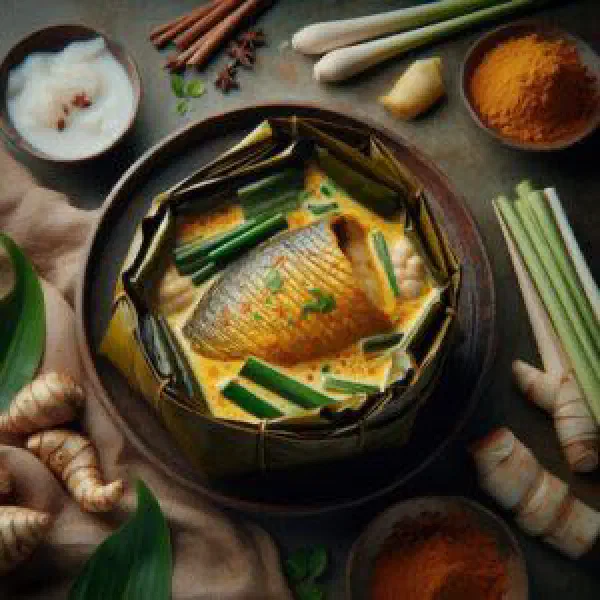
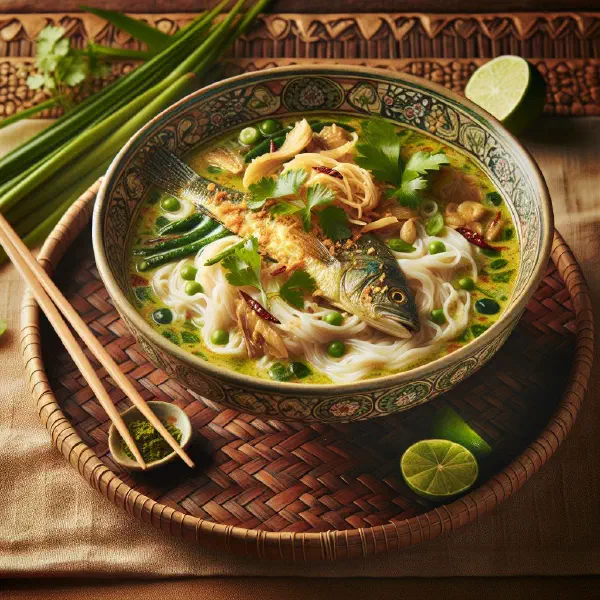
Presentation matters just as much as flavour. Serve kroeung in a traditional bowl or on an attractive plate, garnished with fresh coriander and perhaps a few lime wedges. This visual arrangement adds aesthetic appeal and an extra burst of flavour from the lime juice squeezed over at the table. Consider pairing the paste with colourful vegetables or rice for an inviting spread. It forms the backbone of dishes like Fish Amok and Khmer Curry.
A bit of history
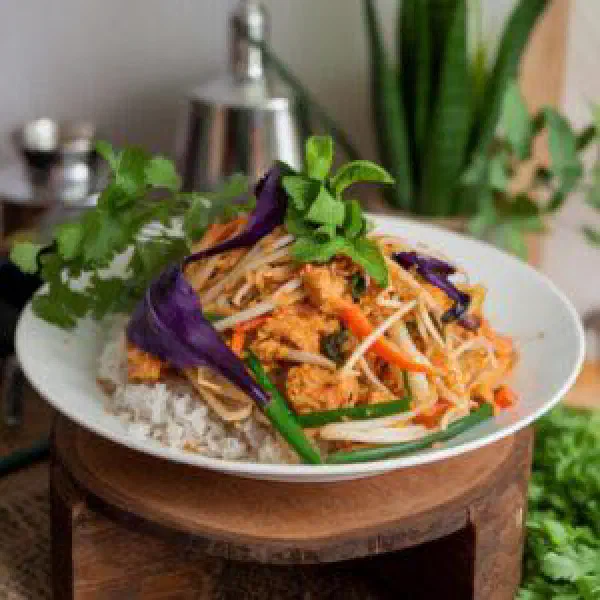
Kroeung is not merely a seasoning but also a part of Cambodian culture and history. Preparing this paste is an age-old practice passed down from generation to generation. Kroeung reflects the tradition of using fresh, locally available ingredients and reveals the influences of other Asian cuisines. It plays a central role in many festivities and traditional dishes that are greatly treasured across Cambodia, from stir-fries such as Cha Kroeung to the tangy soup Samlor Machu Kroeung.
More recipe ideas
Summary: Kroeung
Kroeung is an essential component of Cambodian cuisine, one that gives every dish an unmistakable character. With an easy-to-follow recipe and the freedom to tailor the paste to your own taste, kroeung suits both Asian culinary traditions and everyday cooking at home. The use of fresh ingredients and its history make this paste something truly special. Let the versatility and flavour of kroeung inspire you, and discover the aromas of Cambodian cuisine in your own kitchen.