National Dish Cambodia: Samlor Kako (Recipe)
In this article
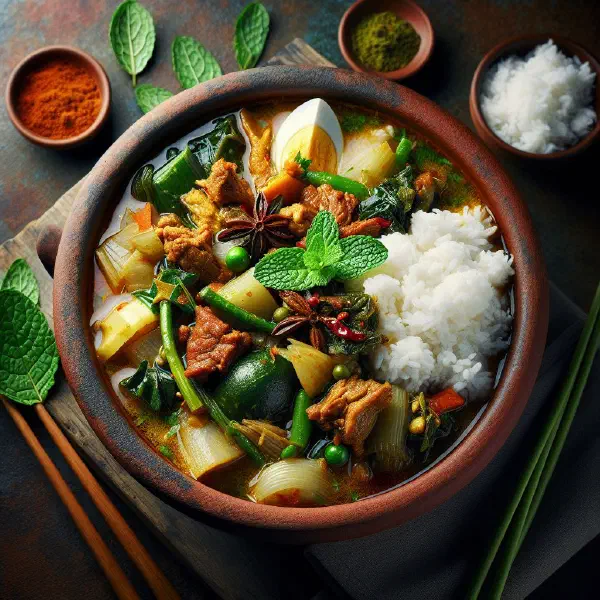
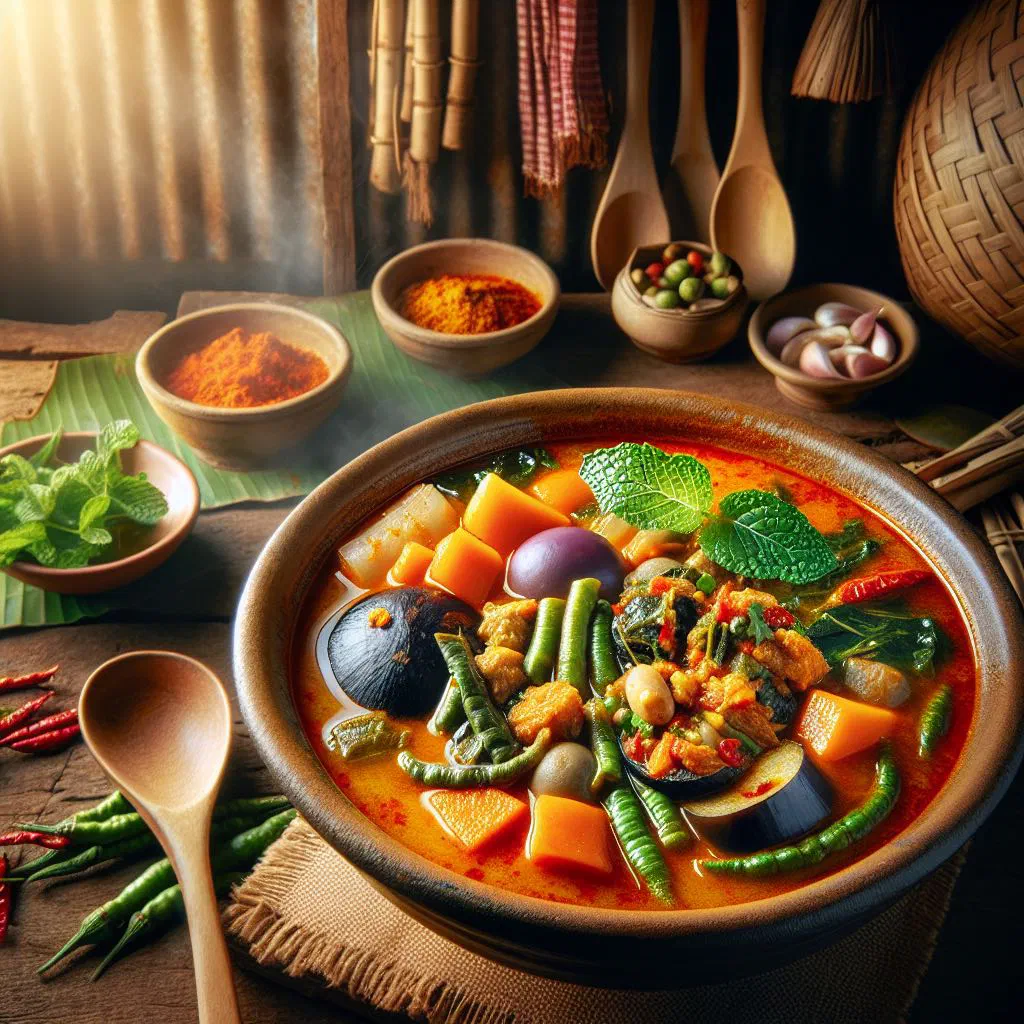
Meet Samlor Kako, one of Cambodia’s most cherished dishes and a true taste of Khmer home cooking. This hearty, aromatic soup brings together fresh vegetables, tender pieces of meat and a lively mix of spices for a bowl that is as nourishing as it is comforting. Passed down through the generations, it captures the warmth and character of the Cambodian kitchen. Bring a little of that tradition to your own table with this easy-to-follow recipe.
About Samlor Kako
Samlor Kako is a traditional Cambodian dish known for its rich, fragrant broth. This delicious soup combines fresh vegetables, tender pieces of meat and a wide range of spices that come together in a wonderfully harmonious flavour. The use of local ingredients makes the dish nourishing and an authentic part of Cambodian cooking. Preparing Samlor Kako is something of an art, handed down across generations, and it reflects the rich culture of the country, much like a classic bowl of Khmer Curry.
Ingredients (serves 1–2)
- 200 g beef or chicken
- 1 carrot, diced
- 100 g green beans, cut into pieces
- 1 small onion, chopped
- 2 garlic cloves, crushed
- 1 litre vegetable or meat stock
- 1 tablespoon fish sauce
- Fresh coriander, to garnish
- Spices of your choice (e.g. pepper, turmeric)
Shopping for the ingredients
To get the best flavours in your Samlor Kako, it is important to choose fresh, high-quality ingredients. Visit a local market or an Asian grocery to find fresh vegetables and aromatic spices. When buying meat, make sure it looks good and shows no discolouration. Many of the spices used here are readily available in Asian supermarkets, which helps you achieve a truly authentic flavour.
Preparing the dish
Good preparation is the key to success when making Samlor Kako. Begin by washing the vegetables and cutting them into even pieces so they cook at the same rate. Prepare the meat too, cutting it into small pieces and marinating it with a little seasoning. Don’t forget to have all your kitchen utensils and your cooking pot ready as well, so the whole process runs smoothly from start to finish.
Step-by-step instructions
- Heat a little oil in a large pot and sauté the onion and garlic until golden brown.
- Add the sliced meat and fry until cooked through.
- Pour in the stock and bring it to the boil.
- Add the vegetables and let the soup simmer for around 15–20 minutes.
- Season the soup with fish sauce and other spices to taste.
- Garnish with fresh coriander just before serving.
Gluten-free / lactose-free version
When preparing Samlor Kako without gluten or lactose, a few small adjustments may be needed. In place of ordinary fish sauce, use a gluten-free variety to make sure your dish contains no gluten. You could also use a tamari-based soy sauce, which is naturally gluten-free. For a lactose-free version no special changes are necessary, as the classic ingredients are already free from lactose.
Tips for vegans and vegetarians
For vegans and vegetarians, Samlor Kako is easy to adapt into a delicious plant-based version. Instead of meat, use tofu or tempeh, both of which offer a good source of protein. Choose vegetable stock as the base and add your favourite vegetables to build up the flavour. Don’t forget to use plant-based oils and spices too, to keep the aromas lively and bright, a trick that works just as well in Cha Trakuon.
More tips and tricks
There are plenty of tips and tricks to help you improve your dish and bring out the full flavour of Samlor Kako. For instance, you can prepare the broth a day in advance to let the aromas develop. Experiment with different types of vegetable and meat to find your own personal touch. Remember to be careful when seasoning; it is always easier to add more than to rescue a dish that has become too salty or too spicy.
Adapting the recipe to your taste
Everyone has their own preferences when it comes to flavour and ingredients, so Samlor Kako is easy to tailor to individual tastes. If you like it hot, add chilli or sambal oelek to give the dish a spicy kick. Vegetarians can bring more variety to the bowl with extra pulses or an exciting mix of vegetables. The same generous, adaptable spirit shines in a comforting Bobor.
Ingredient substitutions
When making Samlor Kako, it can be helpful to have alternatives on hand if certain ingredients are not available. Instead of beef or chicken, you could also use fish or prawns to create a more coastal version of the dish. If vegetables are out of season, reach for frozen ones, which are an excellent choice too. That way your dish stays nutritious and full of flavour, whatever the time of year.
Drink pairing ideas
Many drinks go well with Samlor Kako and round off the whole experience. A cool, light Asian lager makes a refreshing companion. Alternatively, a cup of green tea pairs beautifully, complementing the aromas of the soup. For an alcohol-free option, serve ginger lemonade or a fresh coconut water, both of which balance the palate nicely.
Serving and presentation ideas
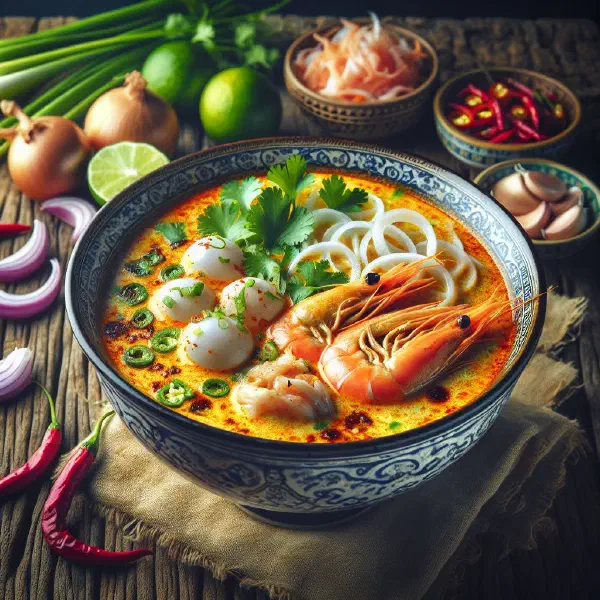
The presentation of Samlor Kako can have a big impact on the eating experience. Serve the soup in attractive bowls and garnish with fresh coriander and lime wedges. A scattering of red chilli flakes adds an extra splash of colour and makes the dish more inviting. Arranging sides such as rice or crusty bread rolls on a separate plate rounds off the whole picture wonderfully.
A bit of history
Samlor Kako has a long history, deeply rooted in Cambodian culture. Historically, the dish was often served at festivals and special occasions, which helps explain its status as a national dish. It reflects the culinary diversity of Cambodia, shaped by influences from China, Thailand and Vietnam. This soup is a piece of Cambodian identity, one that brings people together, the very heart of Cambodian cuisine.
More recipe ideas
Summary: Samlor Kako
Samlor Kako is more than just a soup; it is an experience that embodies the flavours and culture of Cambodia. With its fresh ingredients and its wealth of spices, this dish delivers a memorable explosion of flavour. Whether or not you eat meat, its many possible adaptations make it a perfect choice for everyone. Give this nourishing dish a try at home and let the Cambodian kitchen work its magic on you.