National Dish Cameroon: Bibinka (Recipe)
In this article
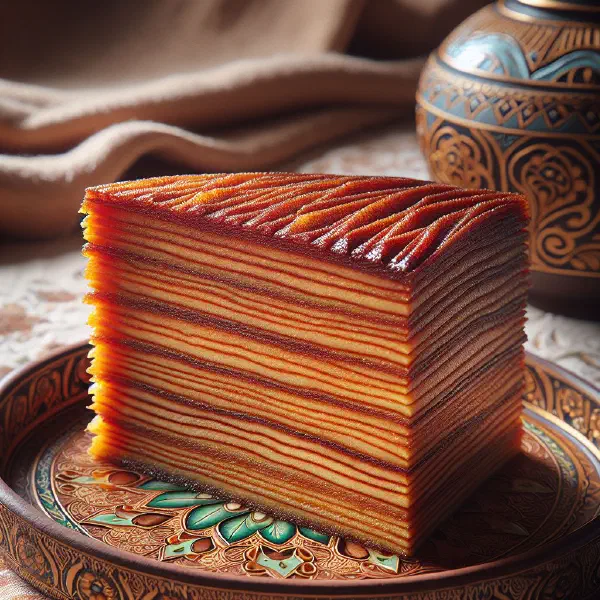
Meet Bibinka, the layered coconut cake that Cameroonian households bring out whenever there is something worth celebrating. Built from little more than rice flour, coconut milk and sugar, it bakes up tender, gently sweet and quietly luxurious, a dessert that tastes far more elaborate than its short shopping list suggests. Bake the layers one by one, stack them up, and you have a slice of West African hospitality on your own kitchen table.
About Bibinka
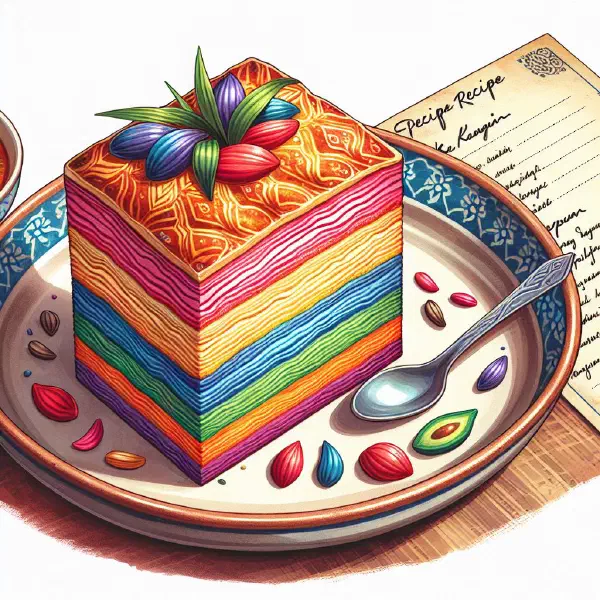
Bibinka is a traditional dish from Cameroon, loved above all for its distinctive layers and its beguiling flavour. This layered cake brings together rice flour, coconut milk and sugar, which combine to give a delicate, creamy texture. Making it calls for a handful of ingredients but also for patience and a little affection, so that each individual layer bakes to perfection. Bibinka is served with pride on special occasions and is a festive highlight in many homes.
Ingredients (serves 1–2)
- 200 g rice flour
- 400 ml coconut milk
- 150 g sugar
- 1 teaspoon baking powder
- A pinch of salt
- Optional: vanilla extract or freshly grated nutmeg for extra flavour
Shopping for the ingredients
Rice flour is easy to track down in Asian or African grocery shops, and the same goes for coconut milk. When it comes to sugar, choose plain white granulated sugar, as it gives the best results here. If you like, keep an eye out for organic products too. They often deepen the flavour of the finished cake.
Preparing the dish
Preparing bibinka starts with measuring the ingredients carefully, so that every layer sets to the right consistency. Have your kit ready as well: a cake tin and a mixer or whisk to bring the batter together smoothly. Remember to preheat the oven, as an even baking temperature is essential. It also helps to clear a work surface where you can fill the tin with one layer after another without rushing.
Step-by-step instructions
- Preheat the oven to 180°C.
- Combine the rice flour, baking powder and salt in a large bowl.
- Add the coconut milk and sugar and stir thoroughly until no lumps remain.
- Divide the batter into three equal portions, adding different flavourings to each if you wish.
- Bake each layer separately in the preheated tin for about 20 minutes, until golden brown.
- Let each layer cool briefly after baking before adding the next.
- Repeat until all the layers are done, then leave the cake to cool completely.
Gluten-free / lactose-free version
Bibinka is an outstanding dessert for anyone with a gluten or lactose intolerance, since it contains no gluten-bearing ingredients such as wheat flour and no dairy at all. Thanks to the rice flour and coconut milk, the cake is naturally gluten-free and lactose-free. If you need to watch out for other intolerances, check the ingredient labels carefully and adjust as required. That way, guests with particular dietary needs can enjoy this traditional treat alongside everyone else, much like the naturally dairy-free Puff-Puff.
Tips for vegans and vegetarians
For vegans, bibinka is an excellent choice, as every ingredient in it is plant-based. Instead of ordinary sugar you can use coconut blossom sugar, which lowers the refined sugar content and lends a gentler, natural sweetness. Do check that any shop-bought items, tinned coconut milk in particular, are certified vegan. You can then serve a dessert that is both delicious and wholesome with a completely clear conscience.
More tips and tricks
The single most useful tip for bibinka is to spread each layer evenly across the tin. This ensures the cake bakes uniformly and that the layers bond properly with one another. Let the finished cake cool completely before you cut it; this helps it hold its shape and makes serving far easier. Experiment with different flavourings or toppings such as toasted coconut flakes or fresh fruit to tailor the dessert to your own liking.
Adapting the recipe to your taste
The beauty of bibinka lies in its versatility. Flavours and ingredients are easy to adjust so the cake reflects your own preferences. Add chocolate chips or nuts, for instance, to introduce extra texture and contrast. The sweetness can be dialled up or down as well: reduce the sugar for a less sugary result, or reach for natural sweeteners if you would like a lighter alternative.
Ingredient substitutions
If you have no coconut milk to hand, other plant milks such as almond drink or oat milk will step in, though the flavour of the bibinka will shift slightly. For a more pronounced coconut note, coconut cream is the way to go. The rice flour can be swapped for maize flour depending on what is available, although this gives a noticeably different consistency, closer to that of Koki Corn.
Drink pairing ideas
Plenty of drinks sit beautifully beside a generous slice of bibinka. A fresh coconut smoothie echoes the flavours of the cake and adds a tropical lift. Fruity teas or a chilled malt beer round the dessert off nicely, as does a glass of Pineapple Juice. Mint tea or a light white wine are worth trying too, for a harmonious pairing that makes the whole meal more of an occasion.
Serving and presentation ideas
Presentation can make all the difference to bibinka. Serve the cake on an elegant cake plate and garnish it with fresh fruit or mint leaves for visual interest. A dusting of icing sugar or a scattering of coconut flakes on top gives the dessert an extra flourish. Take care to cut the cake into even pieces, so that the slices sit attractively on the plate.
A bit of history
Bibinka has its origins in Cameroonian culture and reflects the country’s culinary diversity. The cake is traditionally served at celebrations and festivities, and over the years it has become a symbol of Cameroonian hospitality. Every bite speaks of the rich tradition and history bound up in its ingredients. Making this recipe takes you deep into the heritage of Cameroonian cuisine, a cultural journey served on a plate.
More recipe ideas
Summary: Bibinka
In short, bibinka is more than just a delicious dessert; it is a piece of culture that captures the flavours and traditions of Cameroon. Building it up layer by layer gives it an exceptional texture and makes it an ideal choice for celebrations and special occasions. Bibinka delivers a taste experience that stays with you. Give the recipe a go and bring a little of Cameroon into your own kitchen.