National Dish Cameroon: Eru (Recipe)
In this article
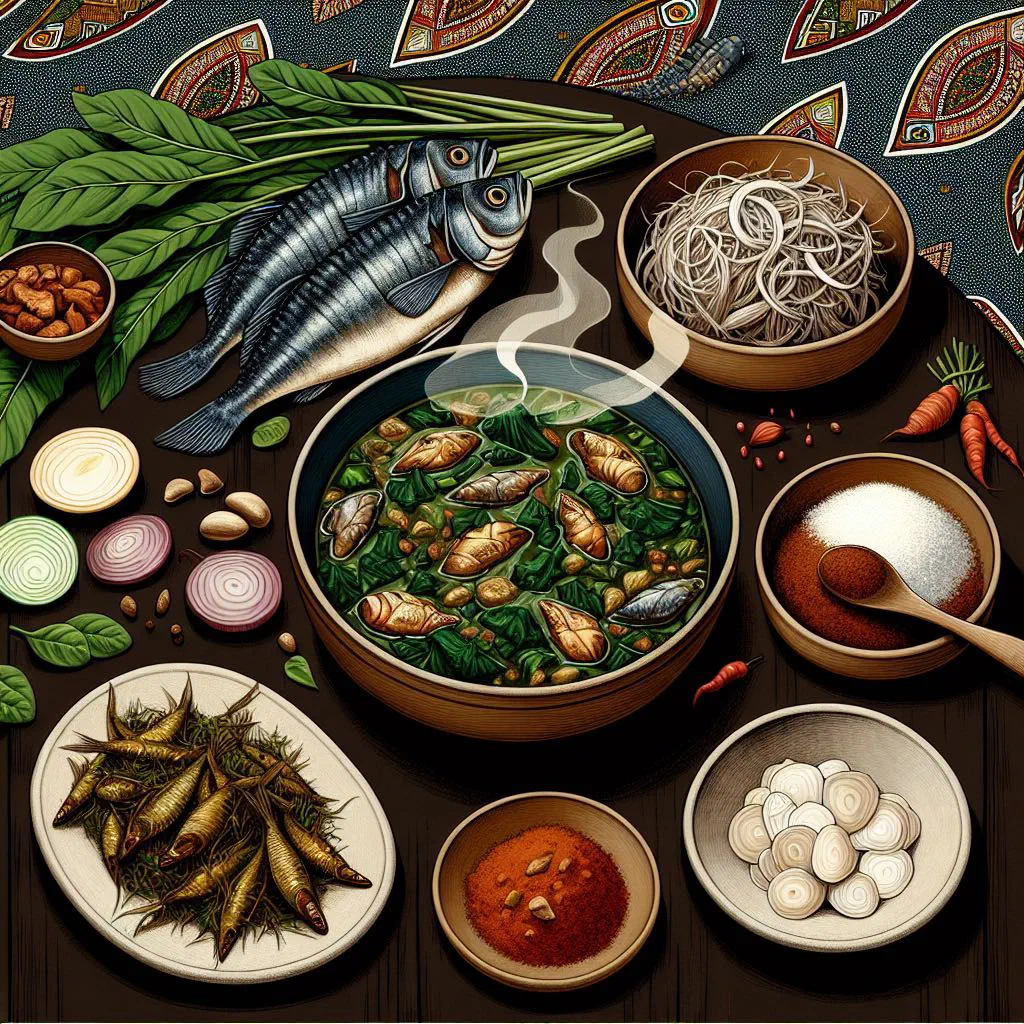
Discover Eru, the leafy green stew that Cameroonians will happily argue is the finest thing to come out of their kitchens. Born in the country’s English-speaking west, it builds deep, savoury flavour from finely shredded eru leaves, ground groundnuts and a generous helping of fish or meat. It is nourishing, warming and surprisingly quick to bring together once the greens are prepped. Cook a pot and you will understand why it turns up at every celebration worth attending.
About Eru
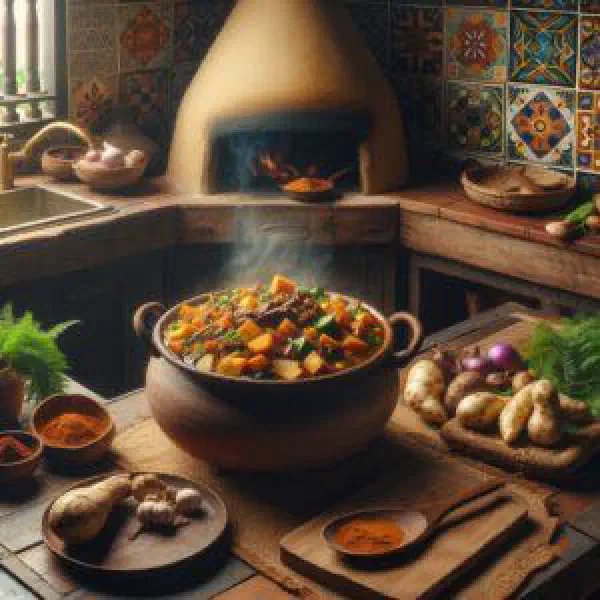
Eru is far more than a dish; it is a symbol of Cameroonian cooking. It originates in the English-speaking regions of the country and has long since made a name for itself well beyond those borders. What wins people over are its rich, layered aromas and its reliance on fresh, local produce. The star ingredient, the eru leaf, gives the dish its unmistakable savoury character and packs it with nutrients, which is exactly why it sits so comfortably alongside staples like Ndole in the national repertoire.
Ingredients (serves 1–2)
- 200 g eru leaves (fresh or frozen)
- 100 g groundnuts (ground or whole)
- 200 g fish or meat (chicken or beef, for example)
- 1 onion, chopped
- 1–2 cloves of garlic, chopped
- Salt and pepper to taste
- Water for cooking
Shopping for the ingredients
Everything hinges on fresh ingredients. Eru leaves are stocked by most African grocers and by markets that specialise in international produce, either fresh or frozen. Groundnuts are easy to find in any supermarket, whole or already ground. Choose good, fresh meat or fish. It makes a noticeable difference to the finished flavour, just as it does in a Peppersoup.
Preparing the dish
When preparing eru, the key is to wash and prep everything properly before you start cooking. Rinse the eru leaves thoroughly under running water to remove any grit or residue. Chop the onions and garlic in advance too, so the cooking itself runs smoothly from start to finish. If you are using whole groundnuts, toasting them first will deepen and intensify their flavour considerably.
Step-by-step instructions
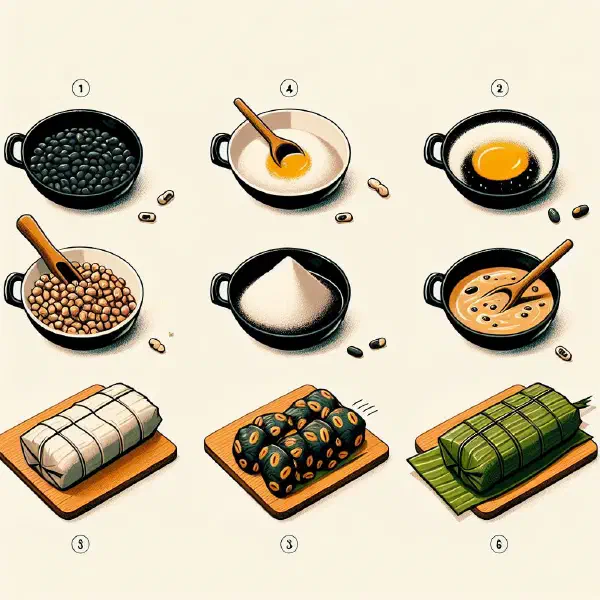
- Simmer the eru leaves in a pan with a little water for around 10 minutes.
- In a frying pan, brown the meat or fish until cooked through.
- Add the onions and garlic and fry briefly alongside.
- Stir in the cooked eru leaves and the groundnuts and mix well.
- Season with salt and pepper and let everything simmer for a further 5 minutes.
Gluten-free / lactose-free version
Eru is naturally gluten-free and lactose-free, which makes it an excellent choice for anyone with an intolerance. Just check that the groundnuts and any other bought-in ingredients carry no traces of gluten or dairy. That way you can enjoy the full range of Cameroonian flavour without a moment’s hesitation.
Tips for vegans and vegetarians
For a vegan or vegetarian version of eru, swap the meat for a protein such as tofu or tempeh. Make sure the remaining ingredients, groundnuts and eru leaves included, are free of animal products. Adding a mix of vegetables brings extra bite and freshness to the pot, so the dish stays every bit as filling and full of flavour.
More tips and tricks
Getting eru right comes down largely to temperature control. Do not overcook the leaves, or you will lose both texture and nutrients. If you want more depth, reach for traditional spices or a good stock. And do not neglect the plating, an appealing bowl makes the food far more inviting, whether you serve it alone or with a side of Fried Yam.
Adapting the recipe to your taste
Eru is a remarkably accommodating dish. You can easily shape it around your guests’ diets and preferences: try different proteins, or combine several vegetables in one pot. The heat is adjustable too. Add chilli or other spices to bring it up to whatever level suits you.
Ingredient substitutions
If some ingredients prove hard to track down, there are good alternatives available. Spinach or chard stand in perfectly well for eru leaves, and cashews or sunflower seeds can replace the groundnuts while keeping a similar nutty richness. Each variation adds a new dimension to the dish and leaves plenty of room to be creative.
Drink pairing ideas
Several drinks suit eru nicely. Fruit juices such as mango or pineapple complement its rich flavours beautifully. Traditional palm wine works wonderfully too, as does a light, fruity wheat beer. The point is to pick something that underlines the taste of the dish rather than competing with it.
Serving and presentation ideas
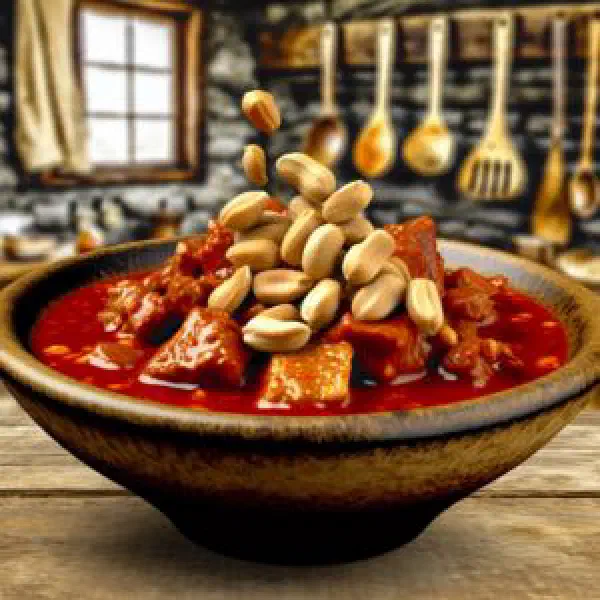
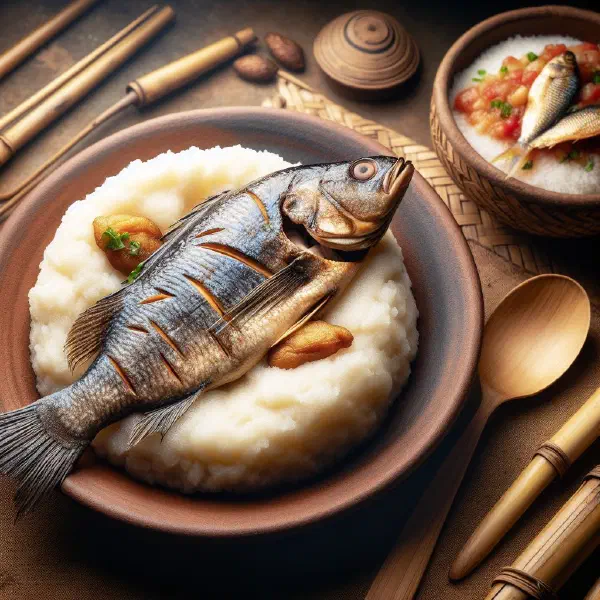
To present eru well, serve it in a generous bowl. Fresh herbs or a scattering of nuts make good garnishes, and a little colourful vegetable adds a welcome accent. Thoughtful presentation turns a good meal into a memorable one, particularly when the dish is shared at the table in the traditional way.
A bit of history
Eru carries deep cultural significance in Cameroon and is a fine example of the breadth of African cooking. It is often prepared for special occasions and has evolved steadily over the years while holding on to its roots. It speaks to the strength of Cameroonian gastronomy and shows how food draws community and tradition together, a quality it shares with much of Cameroonian cuisine. Eru is not simply a dish; for many people in the region it is part of their identity.
More recipe ideas
Summary: Eru
In short, Eru is a fascinating and deeply nourishing dish from Cameroon, distinguished by its flavour and its flexibility. Built on fresh ingredients and open to countless variations, it has become a firm favourite for good reason. Fish or a plant-based alternative, eru will enrich your cooking. Let the traditions and the sheer range of flavour in this remarkable dish inspire you.