National Dish Cameroon: Koki (Recipe)
In this article
Koki is a steamed pudding of ground black-eyed peas, brightened with red palm oil and studded with greens, wrapped in banana leaves and cooked for well over an hour until it sets into something dense, savoury and completely satisfying. It is Cameroonian home cooking at its most characteristic — entirely plant-based, deeply flavoured and made in large batches for family gatherings.
About Koki
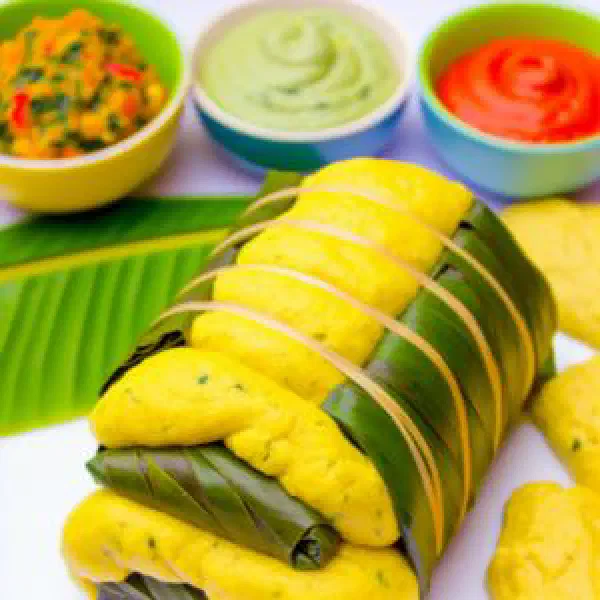
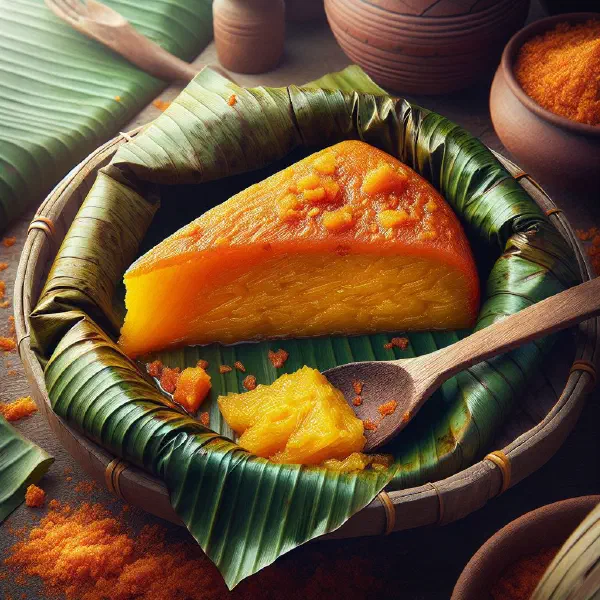
Koki is a traditional Cameroonian dish made from skinned black-eyed peas, ground to a paste, seasoned generously and steamed in banana leaves. Red palm oil gives it its striking orange colour and much of its flavour; leafy greens and chilli are folded through. It is eaten with boiled plantain, yam or simply on its own, and it appears at celebrations as reliably as at everyday meals.
Ingredients (serves 1–2)
- 200 g dried black-eyed peas (cowpeas), skinned
- 4 tablespoons red palm oil (or sunflower oil with a little paprika)
- 1 small onion, finely chopped
- 1 chilli, finely chopped (to taste)
- 1 handful fresh spinach or chard, finely shredded
- 1 tablespoon dried ground shrimp or prawns (optional)
- Salt, to taste
- Banana leaves or baking parchment, for wrapping
Shopping for the ingredients
Black-eyed peas are sold dried in most supermarkets and in every African grocer; the skinned kind saves considerable work, but you can skin them yourself by soaking and rubbing. Red palm oil is essential for authenticity, look for the unrefined, deep orange kind. Banana leaves are usually sold frozen and thaw in minutes.
Preparing the dish
Soak the peas overnight, then rub them between your palms under water to loosen the skins, which float off and can be poured away. Grind or blend the skinned peas with a little water into a thick, smooth paste, the texture should be like a heavy batter. Soften the banana leaves briefly over a flame or in hot water so they fold without splitting.
Step-by-step instructions
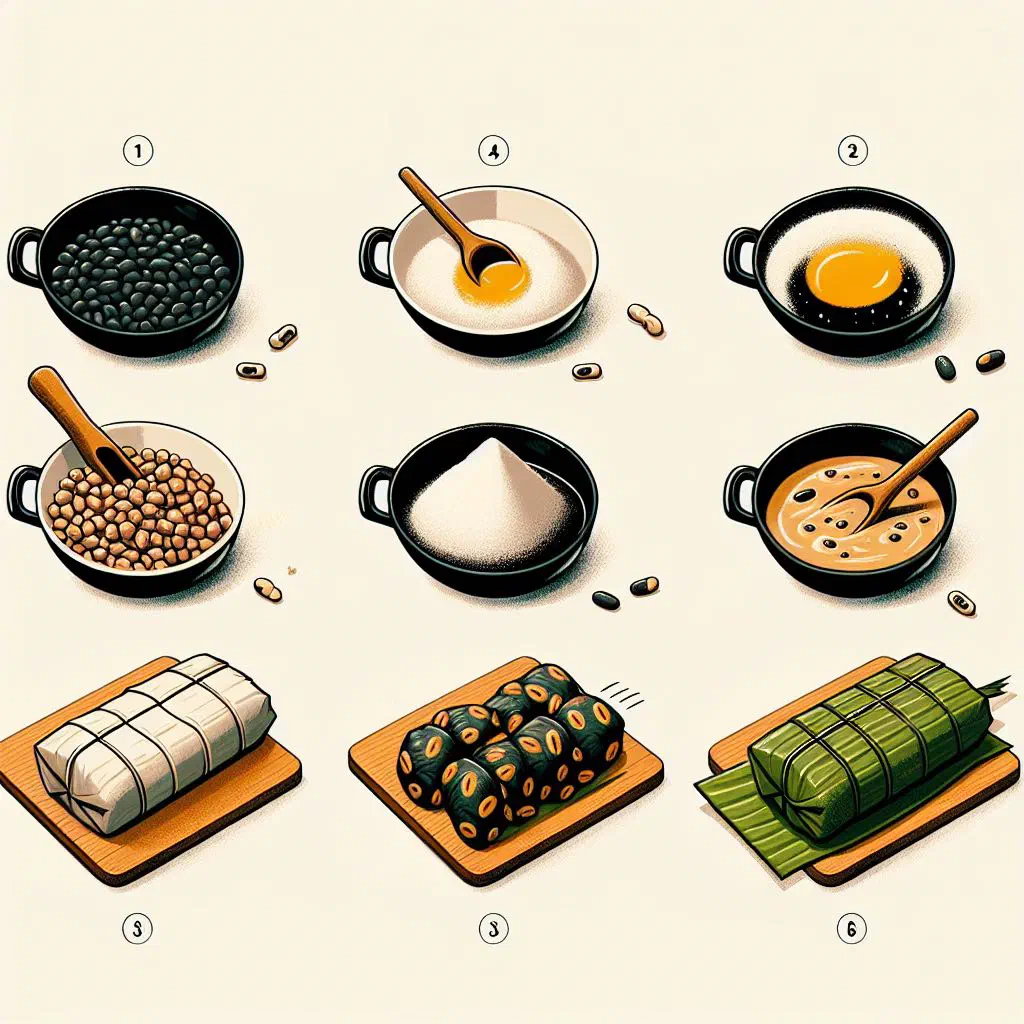
- Soak the peas overnight, then rub off and discard the skins.
- Blend the peas with just enough water to make a thick, smooth paste.
- Beat in the red palm oil until the mixture turns uniformly orange and slightly fluffy.
- Fold through the onion, chilli, shredded greens, ground shrimp if using, and salt.
- Spoon portions onto softened banana leaves and fold into sealed parcels.
- Stack the parcels in a steamer basket over simmering water.
- Steam for 1½ hours, topping up the water as needed.
- Rest 10 minutes before unwrapping, and serve warm.
Gluten-free / lactose-free version
Koki is naturally free from both gluten and lactose. It is legumes, oil, vegetables and seasoning. Served with boiled plantain or yam, the entire meal stays suitable for both intolerances without any adaptation.
Tips for vegans and vegetarians
Leave out the optional dried shrimp and koki is entirely vegan, and it is a genuinely excellent plant-based main course, high in protein and deeply savoury. A little smoked paprika or a few drops of liquid smoke replaces the depth the shrimp would have contributed.
More tips and tricks
Beat the palm oil in thoroughly and for longer than feels necessary, properly aerated, the mixture steams lighter and sets better. Do not make the paste too wet, or the koki will not firm up. And wrap the parcels tightly, since water getting in is the most common reason for a soggy result.
Adapting the recipe to your taste
Koki corn — the same technique applied to fresh maize instead of peas — is a much-loved variation. Some cooks add crayfish, smoked fish or a little groundnut paste. More chilli is common in the north-west of the country, where the dish is especially popular.
Ingredient substitutions
Baking parchment or foil substitutes perfectly well for banana leaves, though you lose a little of the aroma. Sunflower oil coloured with paprika stands in for palm oil at a pinch. Any robust green, spinach, chard, kale, works in place of the traditional leaves.
Drink pairing ideas
Palm wine is the traditional Cameroonian match, tangy and slightly fizzy against the rich oil. Ginger beer or bissap (hibiscus juice) are excellent alcohol-free options. A cold lager also works well with the palm oil’s richness.
Serving and presentation ideas
Serve koki in its banana leaf, opened at the table so the aroma is released in front of your guests. That is half the pleasure. Boiled plantain, yam or a piece of bread alongside makes it a full meal. It is just as good cold the next day, sliced and fried.
A bit of history
Black-eyed peas are among West and Central Africa’s oldest cultivated crops, and steaming seasoned pastes in leaves is a technique found from Senegal to Cameroon under many names, moin moin in Nigeria, koki here. The method needs no oven, only fire and a pot, which is precisely why it endured. It offers a genuine window onto Cameroonian cuisine.
More recipe ideas
Summary: Koki
Koki is ground black-eyed peas beaten with red palm oil, wrapped in banana leaves and steamed until set, a dense, savoury, entirely plant-based pudding that has fed Cameroonian families for generations. It takes patience rather than skill, and it repays it generously.