National Dish Cameroon: Kpem (Recipe)

In this article
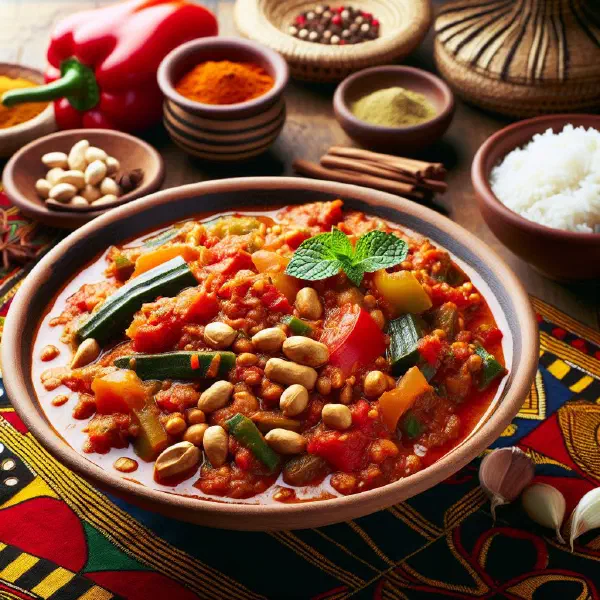
Meet Kpem, a warming Cameroonian classic that has won over food lovers far beyond West Africa. Tender pieces of meat simmer gently in a rich, nutty sauce built on roasted groundnuts, and the whole thing is best mopped up with rice or cassava. It is generous, comforting cooking that shows off just how much depth a handful of everyday ingredients can carry.
About Kpem
Kpem is the traditional national dish of Cameroon, and it has captured the hearts of countless food enthusiasts. This hearty dish brings together tender pieces of meat and a spiced sauce made from peanuts, and it is most often served with rice or cassava to let the full flavours of African cooking come through. With a following both at home and abroad, Kpem is a wonderful way into the culinary variety of the continent.
Ingredients (serves 1–2)
- 250 g beef or chicken
- 150 g peanuts (roasted and unsalted)
- 1 onion
- 2 cloves of garlic
- 1 pepper (red or green)
- 1 carrot
- 400 ml vegetable or chicken stock
- 2 tablespoons vegetable oil
- Salt and pepper to taste
- Optional: fresh herbs such as parsley or coriander
Shopping for the ingredients
To make Kpem, look for your ingredients at a local supermarket or a specialist African or Asian grocery. Choose fresh meat and good-quality peanuts wherever possible. It is worth paying attention to where the ingredients come from, especially the spices and oils, as this is what gives the finished dish its authentically Cameroonian character.
Preparing the dish
Good preparation is what allows the flavours in Kpem to shine. Start by cutting the meat into small pieces and seasoning it with salt and pepper. The peanuts should be blitzed in a blender until they form a smooth paste. This is what will later give the sauce its creamy body and its unmistakable flavour. The same nutty base underpins a Groundnut Soup, so the technique is well worth learning.
Step-by-step instructions
- Heat the vegetable oil in a large pan and fry the onion and garlic until fragrant.
- Add the seasoned meat and brown it on all sides.
- Pour in the stock and let everything simmer for around 30 minutes.
- Stir in the peanut paste along with the chopped vegetables (pepper and carrot).
- Simmer for a further 15 minutes, until the vegetables are tender and the sauce has thickened.
- Serve the Kpem with rice or cassava, garnished with fresh herbs.
Gluten-free / lactose-free version
One of the great things about Kpem is that it is naturally gluten-free and lactose-free. You can enjoy it without a second thought, whatever your dietary needs. Just check that the ingredients you use, the stock and the spice blends in particular, are also certified gluten-free. The dish stays every bit as delicious for everyone at the table.
Tips for vegans and vegetarians
Vegans and vegetarians can adapt Kpem easily without losing any of its appeal. Replace the meat with tofu or seitan, both of which offer excellent texture and plenty of protein. A well-made vegetable stock, generously spiced, provides the depth of flavour the dish needs. A Tofu version delivers the full experience of this traditional recipe with nothing sacrificed.
More tips and tricks
To make Kpem even better, experiment with the spicing. A little chilli adds welcome heat, while a splash of coconut milk makes the sauce richer and creamier still. The look of the finished plate benefits from fresh vegetables or lightly steamed herbs scattered over the top. Let your imagination guide you and refine the dish to suit your own palate.
Adapting the recipe to your taste
The Kpem recipe is remarkably flexible and adjusts easily to personal preferences. If there are vegetables you particularly enjoy, simply use those instead. The choice of meat, or of a meat alternative, can vary too, so everyone can arrive at a version that suits them. Just take care that your changes do not pull the dish away from its comforting, nutty core.
Ingredient substitutions
If some of the ingredients for Kpem are not to hand, or simply not to your liking, there are plenty of alternatives. Cashew nuts in place of peanuts, for example, give a different but equally pleasant nuttiness. For the stock, a homemade or organic version with less sodium works well. Serving it alongside Pounded Yam instead of rice is another easy variation that keeps the meal fresh and flavourful.
Drink pairing ideas
Kpem goes best with African drinks or lightly sweetened sodas that balance its savoury depth. A freshly made mango lemonade or a glass of ginger ale rounds off the meal beautifully, and a traditional Matango Drink makes a properly local pairing. A lightly chilled red wine can also make for an interesting match, choose whatever complements the flavours on the plate.
Serving and presentation ideas
Presentation can lift the Kpem experience considerably. Serve the dish in a large, decorative bowl and garnish it with freshly chopped herbs. Adding colourful vegetables as decoration creates immediate visual appeal, and attractive plates or shallow bowls complete the picture. A few sides arranged around the main bowl turn a simple supper into something that feels celebratory.
A bit of history
Kpem has its roots in African culture, where food has always stood for community and shared time together. Its ingredients reflect regional farming traditions, since many families grow their own vegetables and raise their own meat. That makes Kpem more than a recipe. It is a symbol of the food culture of Africa and the social bonds it sustains, much like the many other dishes of Cameroon cuisine. A mouthful of Kpem is a small journey to the heart of the country.
More recipe ideas
Summary: Kpem
Kpem is a delicious and nourishing dish that embodies the authenticity of Cameroonian cuisine. It pairs tender pieces of meat with a spiced peanut sauce and a handful of vegetables, capturing the flavours of the continent perfectly. Thanks to how readily it adapts to different diets and tastes, Kpem is an appealing option for casual home cooks and seasoned chefs alike. Give it a go and bring a piece of Cameroon into your own kitchen.