National Dish Cameroon: Maafe (Recipe)
In this article
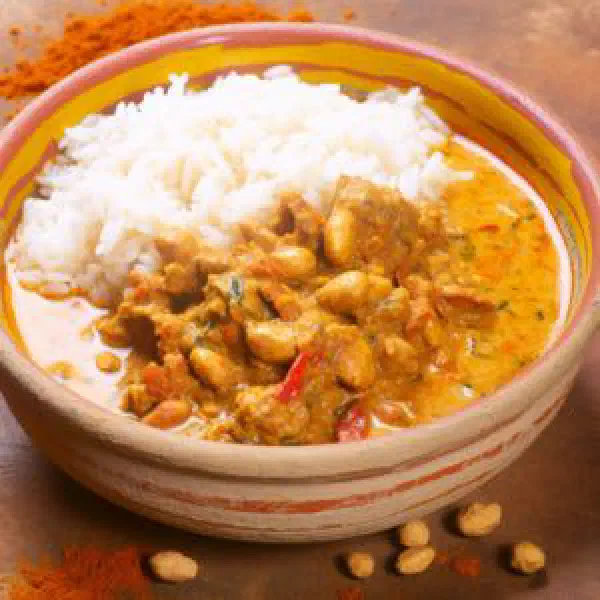
Meet Maafe, the rich groundnut stew that is one of Cameroon’s great culinary calling cards. Tender pieces of meat simmer slowly in a creamy, deeply savoury peanut sauce until everything melts together into something wonderfully comforting. It is the kind of dish that fills a kitchen with warmth and draws everyone to the table, an honest taste of West Africa that is far easier to make at home than you might expect.
About Maafe
Maafe, also known simply as peanut stew, is a celebrated dish of Cameroon and an invitation to an exotic journey of flavour. It brings together tender pieces of meat, or vegetables, with a generous groundnut sauce prized for its creaminess and its unmistakable taste. The traditional preparation shifts from region to region and from cook to cook, yet the core ingredients stay much the same. Maize or Fufu, maafe is a genuine treat.
Ingredients (serves 1–2)
- 250 g chicken breast or beef
- 2 tablespoons peanut butter
- 1 onion, finely chopped
- 2 cloves of garlic, chopped
- 1 medium tomato, diced
- 1–2 carrots, sliced
- 400 ml vegetable or meat stock
- Salt and pepper to taste
- 1 tablespoon vegetable oil
- Optional: 1–2 fresh chillies for heat
Shopping for the ingredients
To gather fresh ingredients for maafe, a local market or a well-stocked supermarket is your best bet. Choose good-quality chicken breast or beef, as the meat has a strong influence on the final result. The peanut butter should ideally be as natural as possible, with no added sugar or preservatives. Fresh vegetables such as onions and tomatoes bring extra aroma to the pot.
Preparing the dish
Begin by preparing your ingredients. Cut the meat into bite-sized pieces and chop the vegetables so the cooking moves along quickly. It also helps to line everything up before you start, which makes for a smooth and unhurried process. Do not forget to have the peanut butter to hand, since it shapes the character of the entire dish.
Step-by-step instructions
- Heat the vegetable oil in a large pot and add the onion and garlic. Fry until golden brown.
- Add the cut meat and brown it on all sides.
- Stir in the diced tomato and the sliced carrots and mix well.
- Add the peanut butter and combine thoroughly with the meat and vegetables.
- Pour in the stock and let the dish simmer gently for about 30 minutes, until the meat is tender.
- Season with salt and pepper and finish with fresh chillies to taste.
Gluten-free / lactose-free version
Maafe is naturally gluten-free and lactose-free, provided you use gluten-free stock and natural peanut butter. The choice of meat can also be varied to suit a gluten- or lactose-free diet. Do check the ingredient lists on any packaged products to make sure there are no hidden sources of gluten or lactose. That way everyone at the table can enjoy this delicious stew without compromise.
Tips for vegans and vegetarians
For a vegan or vegetarian version of maafe, simply swap the meat for tofu, tempeh or chickpeas. These protein-rich alternatives sit beautifully alongside the creamy groundnut sauce. You can also add a wider range of vegetables to make the dish more colourful and more nourishing. Everyday vegetables such as courgette, aubergine or spinach fold into the recipe with ease, much as they do in a bowl of Njama Njama.
More tips and tricks
To deepen the aroma of maafe, try adding extra spices such as cumin or turmeric. These bring flavour and welcome health benefits. Garnishing the finished stew with fresh herbs such as parsley or coriander creates a lovely contrast of colour. Serve maafe piping hot to get the most from its aromas.
Adapting the recipe to your taste
The real beauty of maafe lies in how flexible its ingredients are. Depending on personal preference you can reach for different vegetables or sources of protein. Some cooks like to add sweet potatoes for a gentler, sweeter note. The heat is entirely up to you as well. Simply use more or fewer chillies.
Ingredient substitutions
If you have no peanut butter to hand, cashew or almond butter makes an excellent stand-in. These nuts give the dish a similarly creamy consistency while bringing a rather different flavour. Bear in mind that such a substitute will not deliver the distinctive groundnut note, though the result is still very good indeed. The meat can be varied too, fish or poultry both work well, as they do in Ndole.
Drink pairing ideas
Refreshing drinks such as coconut water or lemonade go wonderfully with maafe. A light white wine or a fruity cider can also strike the right note. For anyone who prefers something alcohol-free, a minted drink with lime is a great choice for balancing the flavours of the stew. Drinks like these keep everything in harmony and round off the evening nicely.
Serving and presentation ideas
Presenting maafe can be simple and still impressive. Serve the stew in a large bowl and garnish with fresh herbs and dry-roasted peanuts. A portion of rice or fufu placed alongside lightens the whole picture. Play up the colours of the ingredients to create a dish that looks as inviting as it tastes.
A bit of history
Maafe has its roots in West African cooking and has been enjoyed across a number of countries for generations. It reflects the culture and traditions of Cameroon and is often prepared for festive occasions. The pairing of peanuts with various meats shows just how versatile and aromatic the region’s cooking can be, a quality that runs right through Cameroonian cuisine. Traditionally maafe is cooked in large pots over an open fire, which lends the flavour an extra layer of authenticity.
More recipe ideas
Summary: Maafe
In short, maafe is an exceptionally tasty dish from Cameroon that is easy to make and endlessly adaptable. The combination of tender meat or vegetables with a creamy groundnut sauce leaves nothing to be desired. It is not only a pleasure to eat but a dish with deep cultural roots, ideally suited to sharing with good company. Give this recipe a try and experience the authentic taste of Africa for yourself.