National Dish Cameroon: Mbongo Tchobi (Recipe)
In this article
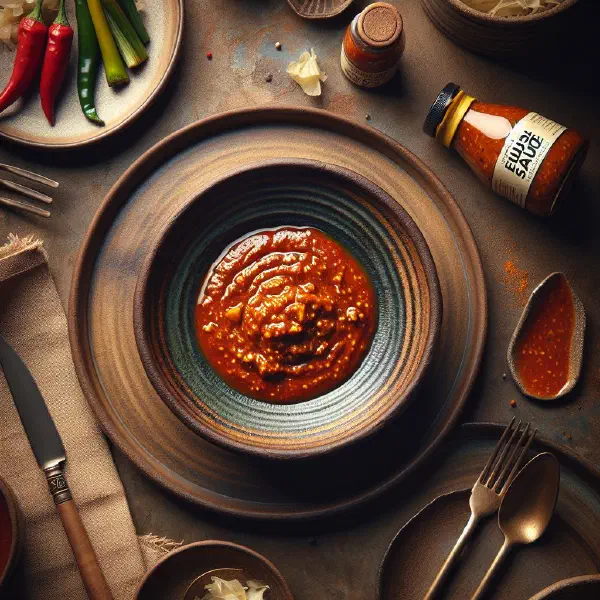
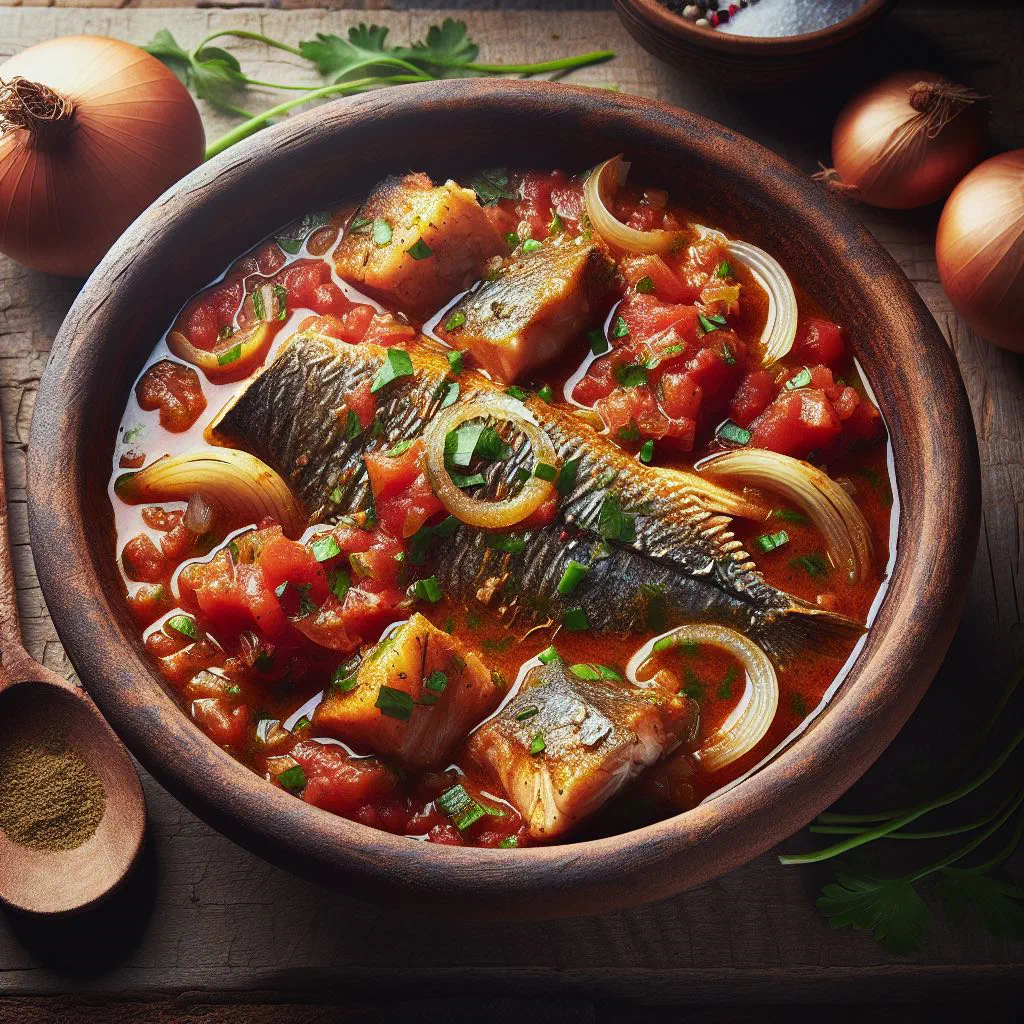
Meet Mbongo Tchobi, the striking black stew that ranks among Cameroon’s proudest culinary landmarks. Tender pieces of beef simmer slowly in a jet-dark, deeply smoky sauce built from charred spices, and the result is far gentler and more fragrant than its dramatic colour suggests. Served with fried plantain or a mound of rice, it is a dish that turns an ordinary evening into an occasion.
About Mbongo Tchobi
Mbongo Tchobi is a traditional dish from Cameroon made with tender chunks of beef cooked in an aromatic, intensely smoky sauce. The combination of charred spices and assorted herbs gives the dish an unmistakable flavour that wins over locals and travellers alike. It is often served with fried plantain or rice, which makes for a beautifully balanced meal. Mbongo Tchobi is a pleasure at the table and an important part of Cameroonian culture.
Ingredients (serves 1–2)
- 500 g beef, cut into chunks
- 2 large onions, diced
- 4 garlic cloves, chopped
- 1–2 green chillies, finely chopped
- 2 tablespoons mbongo powder (charred spice blend)
- 500 ml water
- Salt and pepper to taste
- Fried plantain or rice, to serve
Shopping for the ingredients
When shopping for mbongo tchobi, choose fresh beef, ideally from a butcher you trust. The spices, above all the mbongo powder, can be found in African or international grocery shops. Make sure your onions and garlic cloves are of good quality, as they form the base of the whole flavour. Where possible, go for organic ingredients to get the best taste and the greatest nutritional benefit.
Preparing the dish
Before you start cooking mbongo tchobi, prepare all the ingredients carefully. That means cutting the beef into evenly sized chunks so everything cooks at the same rate. The onions and garlic should be finely diced and chopped respectively, so they blend properly with the rest of the ingredients. It is also worth choosing your chillies to suit your own palate, since they can make the dish considerably hotter.
Step-by-step instructions
- Brown the beef in a little oil in a large pot until well coloured all over.
- Add the onions, garlic and chillies and fry for a few minutes until softened.
- Stir in the mbongo powder and mix well to release the aromas.
- Pour in the water, season with salt and pepper, and bring to the boil.
- Reduce the heat and let the dish simmer for 1–1.5 hours, until the beef is tender.
- Serve the mbongo tchobi hot with fried plantain or rice.
Gluten-free / lactose-free version
Mbongo tchobi is a natural choice for anyone with a gluten or lactose intolerance. The ingredients used in this dish are all gluten-free and dairy-free by nature. Simply check that the spice blends you use contain no unwanted additives. That way you can be confident this delicious dish is entirely safe for you to enjoy.
Tips for vegans and vegetarians
There are plenty of ways for vegans and vegetarians to bring mbongo tchobi into a plant-based kitchen. Instead of beef, use tofu or seitan to keep something of the dish’s texture. Fry the vegetables well so they take on the flavour of the spices. You can also add pulses such as lentils for extra nourishment and a heartier result, much as they do in a Groundnut Soup.
More tips and tricks
To get the most out of your mbongo tchobi, experiment with the spicing to suit your taste. If you like, add extra herbs for a fresher note. One insider trick is a few drops of Worcestershire sauce to deepen the umami. A longer cooking time makes the meat especially tender and lets the flavours settle in properly.
Adapting the recipe to your taste
Adapting the mbongo tchobi recipe to your own preferences is straightforward. Add more vegetables, for example, to make the dish lighter, or use less chilli if you prefer it mild. You can also try different meats such as chicken or pork for new flavour combinations, the same freedom you have with a Kebab. The key is to experiment until you hit on the version that suits you best.
Ingredient substitutions
If you do not have every ingredient to hand, there are excellent alternatives. Instead of beef you can use chicken or even pork. The mbongo powder can be replaced with other charred or roasted spice mixes you may already have in the cupboard. For a deeper flavour, smoked paprika or black pepper are good options for giving the dish the depth it needs.
Drink pairing ideas
Serving the right drinks alongside mbongo tchobi rounds off the whole experience. A refreshing ginger beer or a light rosé complements the flavours beautifully, and a glass of Pineapple Juice is a fine non-alcoholic option. Sparkling water with a squeeze of lemon also makes a pleasant refresher. The important thing is to keep the drinks light so they do not mask the taste of the food.
Serving and presentation ideas
The presentation of mbongo tchobi can lift the meal considerably. Serve the dish in an inviting bowl and garnish it with fresh herbs such as coriander or parsley for a splash of colour. The sides, fried plantain or rice, should be arranged neatly alongside to complete the picture; Grilled Plantains work particularly well here. Colourful crockery is another way to bring out the beauty of the ingredients.
A bit of history
Mbongo tchobi has its roots in the traditional cooking of Cameroon’s Bassa people and reflects the wealth of spices and aromas available in the region. It is often prepared for festive occasions. Historically, the dish shows how cooks turned local ingredients into something rich and full of flavour through sheer inventiveness. It remains a meaningful symbol of Cameroonian identity and community within Cameroonian cuisine, passed down from one generation to the next.
More recipe ideas
Summary: Mbongo Tchobi
Mbongo tchobi is a wonderful example of Cameroon’s rich culinary traditions. The combination of tender beef in a dark, smoky sauce with well-chosen sides makes this dish a genuine occasion. With its distinctive aroma and its versatility, mbongo tchobi shows how food is preserved as cultural heritage. It is high time to discover the delicious flavours of Cameroon and cook this fine dish for yourself.