National Dish Cameroon: Nnam Owondo (Recipe)
In this article
Meet Nnam Owondo, a warming Cameroonian classic that turns a handful of everyday ingredients into something genuinely memorable. Fluffy rice meets crisp seasonal vegetables and, if you like, tender meat or fish, all brought together by fragrant West African herbs and spices. It is the kind of generous, one-pan cooking that fills a kitchen with good smells and a table with happy people, and it is far easier to make than its bold flavour suggests.
About Nnam Owondo
Nnam Owondo is a traditional Cameroonian dish known for its hearty flavours and nourishing ingredients. It pairs rice with a generous mix of fresh vegetables and often tender meat or fish. The harmonious blend of regional herbs and spices creates a taste experience that appeals to locals and lovers of world cooking alike. The dish is a culinary treat and an expression of Cameroon’s rich food culture, in much the same way as a bowl of Ndole is.
Ingredients (serves 1–2)
- 150 g rice
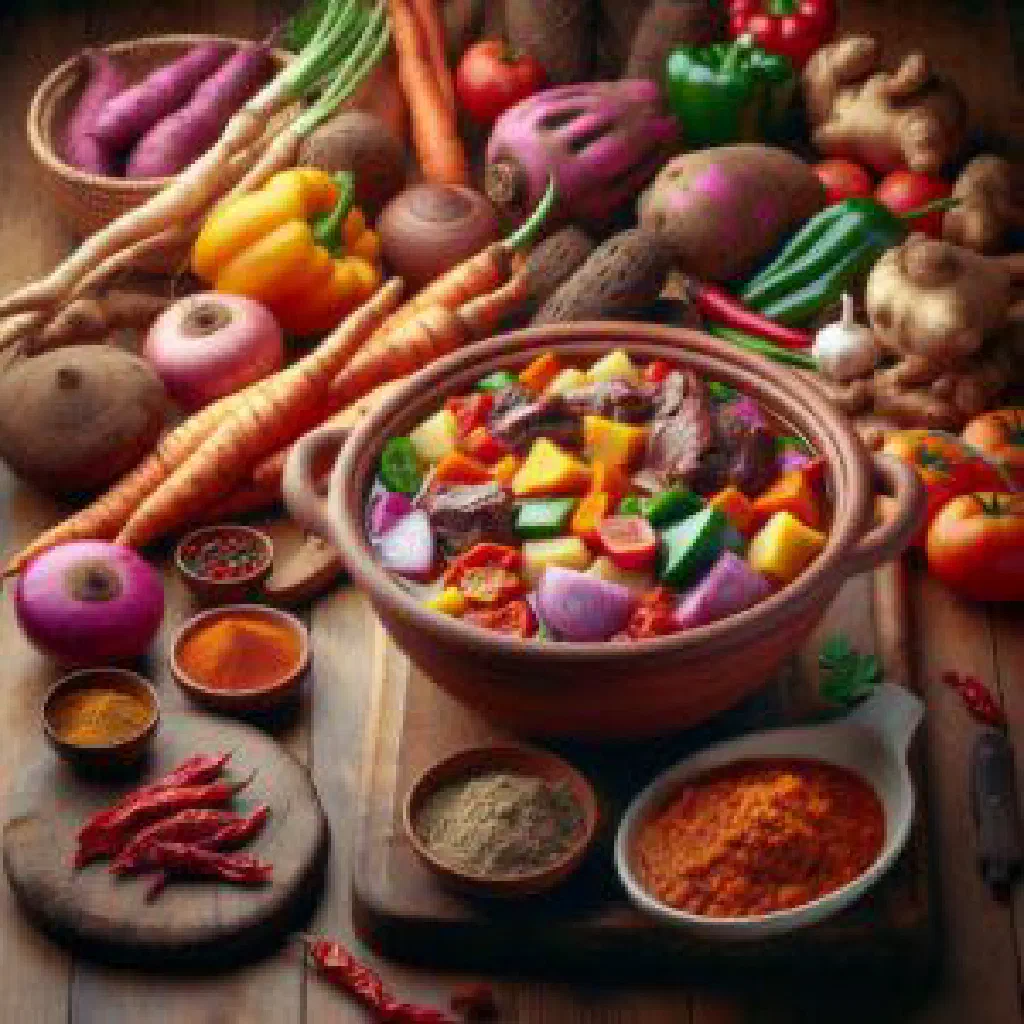
- 200 g vegetables (such as carrots, peppers, green beans)
- 150 g meat or fish (optional)
- 1 onion
- 2–3 cloves of garlic
- 2 tablespoons vegetable oil
- 1–2 teaspoons regional spices (such as fenugreek or a stock seasoning)
- Salt and pepper to taste
Shopping for the ingredients
To make Nnam Owondo well, it pays to choose your fresh ingredients carefully. Visit a local market or an African grocery for good-quality rice and vegetables. Look out for the herbs and spices typical of Cameroonian cooking, as these are what give the dish its authentic character. If you plan to add meat or fish, pick fresh, sustainably sourced options for the best aroma.
Preparing the dish
Preparing Nnam Owondo involves a few simple steps that make sure every ingredient is at its best. Begin by washing the vegetables thoroughly and cutting them into small pieces. Prepare the meat or fish too, if you are using it. The onion and garlic should be finely chopped so their flavour carries right through the finished dish.
Step-by-step instructions
- Cook the rice according to the packet instructions and set it aside.
- Heat the oil in a pan and fry the chopped onion and garlic until golden brown.
- Add the prepared vegetables and sauté briefly.
- Optional: add the meat or fish to the pan and fry until well browned.
- Cook everything together until the vegetables are tender and the meat is cooked through.
- Stir in the pre-cooked rice and season with the regional spices, salt and pepper.
- Mix well and heat through for a few minutes so the flavours come together.
Gluten-free / lactose-free version
Nnam Owondo is easily made gluten-free and lactose-free by using plain rice varieties and avoiding processed additions. Skip soy sauce or any other gluten-containing seasoning and reach instead for allergen-free stock or a simple blend of ground spices. Fresh, unprocessed produce is the safest route, making the dish suitable for anyone with a food intolerance.
Tips for vegans and vegetarians
Vegan and vegetarian versions of Nnam Owondo work beautifully: leave out the meat and fish and use plant-based proteins such as tofu or beans instead. The flavour can be lifted with extra spices and a bigger share of fresh vegetables. Check the labels on stock cubes and spice blends for hidden animal products, and you will have a dish that is as wholesome as it is tasty. Try it alongside a plate of Koki for a fully plant-based spread.
More tips and tricks
To make Nnam Owondo even better, vary the vegetables according to the season. Experiment with spices and herbs until the balance suits your own palate. A squeeze of fresh lemon or lime juice adds a welcome brightness at the end. The dish also improves if you let it rest in the fridge for a few hours or overnight, as the flavours deepen considerably.
Adapting the recipe to your taste
Anyone can adjust Nnam Owondo to their own preferences. Feel free to use your favourite vegetables or your preferred source of protein to shape the dish exactly as you like it. Mixing different regional herbs and spices is another easy way to give it a personal signature. With these small changes, every batch becomes its own distinct experience.
Ingredient substitutions
If some ingredients are hard to find, there are plenty of alternatives. In place of rice you can use quinoa or couscous for a different texture. Frozen vegetables stand in perfectly well for fresh ones and are just as nutritious. Leafy greens such as spinach or kale are also easy to fold in, the same principle that makes Njama Njama so satisfying.
Drink pairing ideas
Several drinks suit Nnam Owondo and underline its savoury character. A fresh fruit juice or a mild wheat beer both work nicely, and a glass of Pineapple Juice is a particularly good match. Tea is another sound choice, especially green tea, which echoes the freshness of the vegetables. Avoid anything too sweet, as it would overwhelm the flavours of the food.
Serving and presentation ideas
Presentation can make all the difference with Nnam Owondo. Serve it in a colourful bowl and garnish with fresh herbs or fine strips of citrus zest. A little extra garlic or a scattering of chilli on top improves both the look and the taste. Serve the dish warm so that the aromas come through at their best.
A bit of history
Nnam Owondo has its roots in the food culture of Cameroon and is deeply tied to the country’s traditions. It reflects the variety of local agriculture and the value placed on freshly prepared, nourishing meals. Combining rice, vegetables and animal proteins is a popular approach across many African kitchens, bringing families together and strengthening community. Dishes like this one, and the wider world of Cameroonian cuisine, are an expression of the warm hospitality the region is known for.
More recipe ideas
Summary: Nnam Owondo
Nnam Owondo is a delicious and nourishing dish that has won over a great many people. With its varied ingredients and aromatic spices it offers a distinctive taste experience that reflects the food culture of Cameroon perfectly. Nnam Owondo remains a favourite for anyone keen to make new culinary discoveries. It is a straightforward way to bring the flavours of West Africa into your own kitchen.