National Dish Canada: Bannique (Recipe)
In this article
Few Canadian bakes carry as much story in so few ingredients as Bannique. This simple, crisp-edged flatbread comes straight from the traditions of Canada’s Indigenous peoples, who cooked it over an open fire with little more than flour, water and a pinch of salt. It needs no proving, no special equipment and barely twenty minutes, yet it tastes of something far older than any modern recipe. Warm from the pan, it is honest, filling and quietly wonderful.
About Bannique
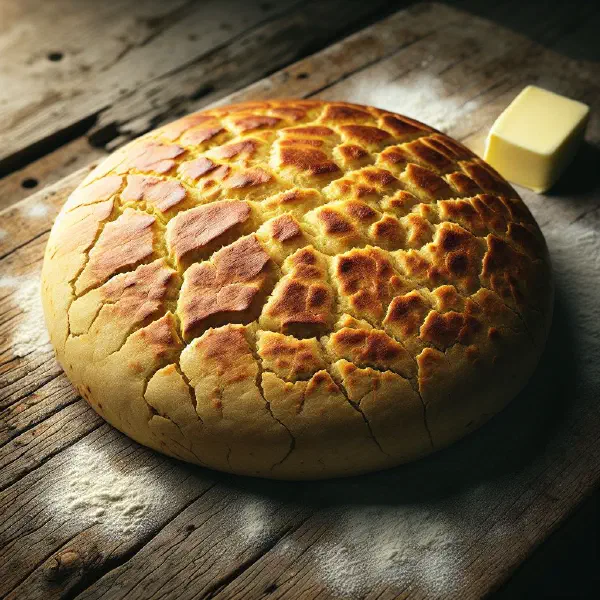
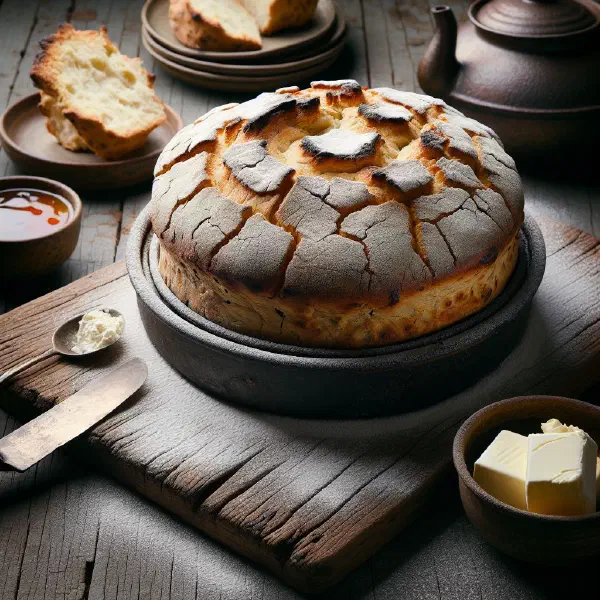
Bannique is a traditional Canadian dish with deep roots in Indigenous culture. At its simplest it is a crisp flatbread, most often cooked over an open fire. This hearty speciality grew out of the plain, land-connected ways of life of Canada’s First Peoples, where food had to be nourishing, portable and made from whatever was at hand. With its authenticity and its distinctive flavour, bannique is not only a dish but a piece of Canadian history you can taste.
Ingredients (serves 1–2)
- 1 cup flour (wheat or gluten-free)
- 1/2 cup water
- 1 teaspoon baking powder
- 1 pinch of salt
- 2 tablespoons oil (vegetable oil or olive oil, for example)
Shopping for the ingredients
To make bannique you need only a handful of simple ingredients, all of which you will find in any supermarket or health food shop. Choose good-quality flour, as it has a considerable influence on the flavour of your bread. If you prefer gluten-free flour, there are plenty of alternatives that work just as well. It is also worth using fresh oil, since a rancid one will dull the taste of the finished loaf.
Preparing the dish
Getting bannique ready is quick and uncomplicated. Start by laying out all your ingredients and making sure your work surface is clean and tidy. If you are working with gluten-free flour, check that your utensils and surfaces are free of gluten too. A well-ordered workspace helps the bread come out with the consistency and flavour you are after, since the dough comes together in a matter of moments.
Step-by-step instructions
- Combine the flour, baking powder and salt in a bowl.
- Add the water and the oil and knead everything into a dough.
- Roll the dough out on a floured surface until it is roughly 1 cm thick.
- Cook in a frying pan or over an open fire until both sides are golden brown.
Gluten-free / lactose-free version
Making bannique without gluten is straightforward: simply use gluten-free flour. Many gluten-free flours, such as almond or rice flour, are excellent alternatives and can be blended depending on the texture you want. Do check that the other ingredients, particularly the baking powder, are certified gluten-free. A lactose-free version needs no work at all, as the recipe calls for no dairy products in the first place.
Tips for vegans and vegetarians
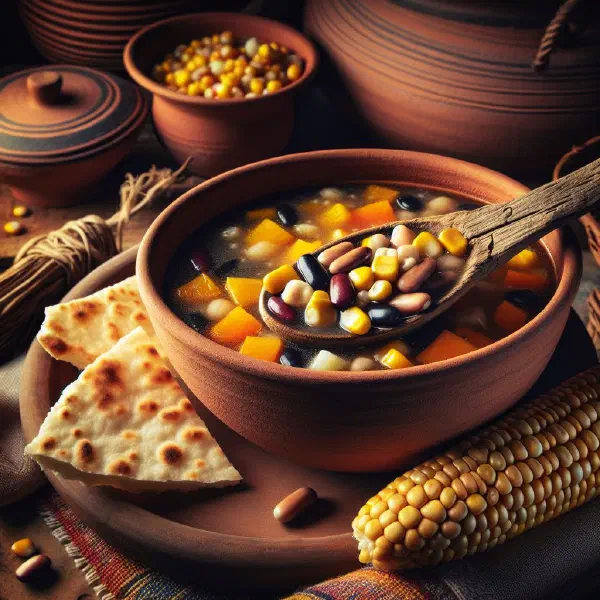
Bannique suits vegan and vegetarian diets beautifully, since the base ingredients are entirely plant-based. If you want to keep it strictly vegan, use a vegetable oil and add no animal products at all. A rewarding variation is to work in herbs or spices such as garlic or rosemary to sharpen the aroma. The result is a delicious plant-based bread that pairs happily with soups like Three Sisters Soup.
More tips and tricks
To get the best from your bannique, experiment with different cooking methods. If an open fire is out of reach, bake the bread in a non-stick frying pan or in the oven instead. Make sure the pan is thoroughly preheated before the dough goes in, as that is what gives the bread its crisp exterior. Playing with the seasoning is another easy way to give the loaf a personal signature.
Adapting the recipe to your taste
Bannique is an exceptionally flexible bread that adapts readily to personal preference. You might try different types of flour, or fold in extra ingredients such as dried fruit. The aroma can be shaped with herbs or spices as well, and depending on your mood you can steer the loaf towards the sweet or the savoury. That same freedom is what makes it a natural partner for a spread of Maple Butter.
Ingredient substitutions
If you are looking for alternatives to the ingredients in your bannique, there is plenty of room to improvise. Instead of water, try vegetable stock to give the bread more depth of flavour. For the oil, coconut oil is worth a go, lending the loaf a faintly sweet note. Adjustments like these ensure that even the simplest recipe stays delicious and never dull.
Drink pairing ideas
Pairing the right drink with bannique rounds out the whole experience. A freshly squeezed orange juice works splendidly, especially at breakfast. For sociable evenings, a light red wine or a refreshing beer underlines the savoury notes of the bread. Experiment with different options to find the combination that suits your own palate best.
Serving and presentation ideas
The way you present bannique can make the dish considerably more appealing. Serve the bread warm and cut it into neat wedges or triangles. A colourful arrangement of vegetables or herbs on the plate adds welcome visual variety. Offering a few different dips or spreads alongside, a spoonful of Saskatoon Berry Jam among them, encourages guests to dig in and try everything.
A bit of history
Bannique has a long history reaching back to the Indigenous peoples of Canada. It was made simply and nutritiously to meet the demands of a mobile, outdoor way of life, and much the same practicality shaped travel foods like Pemmican. The bread was not only a staple but a food that carried stories and traditions within it. Today bannique is enjoying a genuine renaissance and is baked in kitchens across the country as a cornerstone of Canadian cuisine.
More recipe ideas
Summary: Bannique
Bannique is a simple but flavourful bread that is as historically interesting as it is endlessly adaptable. This recipe is ideal for anyone who wants to discover Canadian culture and its delicious traditions from the inside out. With just a few ingredients and an uncomplicated method, you can bring a piece of history straight into your own kitchen. Let it inspire you and enjoy the unique taste of bannique.