National Dish Canada: Bannock (Recipe)
In this article
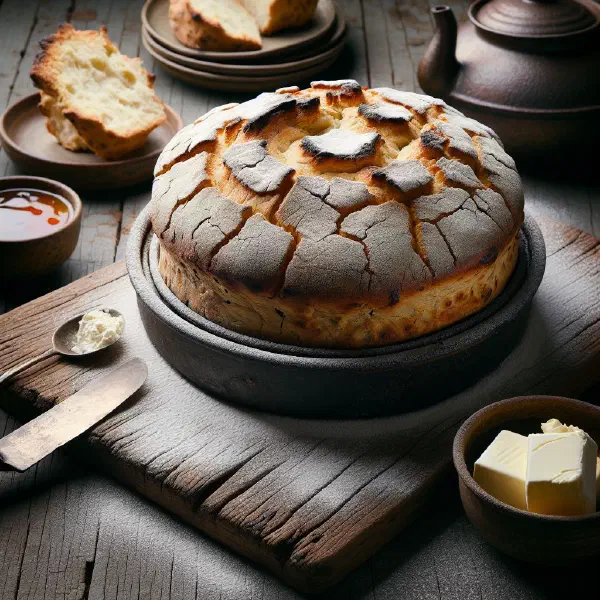
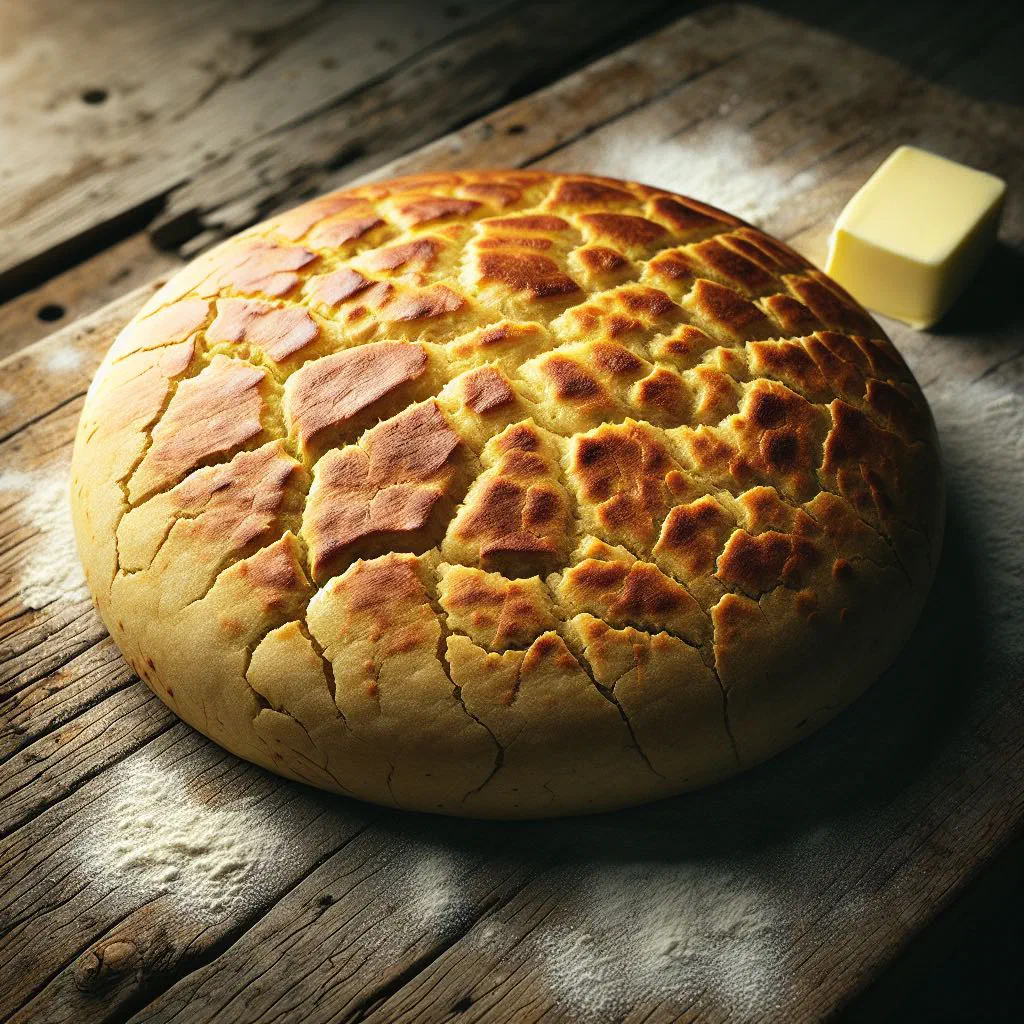
Meet Bannock, the simple, golden-crusted bread that has fed generations across Canada. Made from little more than flour, water and a pinch of salt, it comes together in minutes and tastes just as good sweet as it does savoury. Bake it in the oven or char it gently over an open fire, either way, you get a warm, comforting loaf with a genuinely Canadian story behind it.
About Bannock
Bannock is a traditional bread whose origins lie with the Indigenous peoples of Canada. It is made from the simplest of ingredients, flour, water, salt and sometimes a little fat. This quick and easy recipe has developed into countless variations over the years and remains hugely popular with locals and visitors alike. Its versatility means bannock sits happily beside all kinds of dishes, and it can be prepared either sweet or savoury.
Ingredients (serves 1–2)
- 1 cup plain flour
- 1 teaspoon baking powder
- 1/4 teaspoon salt
- 1/2 cup water
- 2 tablespoons oil (optional)
Shopping for the ingredients
The ingredients for bannock are easy to come by and stocked in most supermarkets. Look for good-quality flour, as it has a decisive influence on both the flavour and the texture of the bread. If you prefer a gluten-free option, there are dedicated gluten-free flours that work beautifully here. Don’t forget fresh water and, if you like, a decent oil to bring out the best aroma.
Preparing the dish
Preparing bannock is simple and straightforward. Mix the dry ingredients in a bowl, then add the water. Depending on your preference, a splash of oil can be worked in to make the bread especially moist. Give your creativity free rein and experiment with different flavourings or extra ingredients, the same easy-going spirit you’ll find in a batch of Oat Cakes.
Step-by-step instructions
- Preheat the oven to 200°C, or get a campfire ready.
- Combine the flour, baking powder and salt thoroughly in a bowl.
- Add the water slowly, stirring until you have a smooth dough.
- If using, add the oil and knead the dough briefly.
- Shape the dough into a round disc and score it lightly.
- Bake the bannock in the oven for about 20–25 minutes, or cook it over the campfire until golden brown.
Gluten-free / lactose-free version
For a gluten-free bannock, use flours such as rice flour or almond flour. Check that your baking powder is gluten-free too. Since the recipe relies on plant-based oil, it is easily made lactose-free, giving you a fully vegan loaf. The basic proportions stay the same, though you may need to adjust the liquid, as gluten-free flours often absorb more.
Tips for vegans and vegetarians
For a vegan and vegetarian bannock, simply use plant-based fats in place of any butter. You can also swap the water for a plant milk such as soya or almond drink to give the bread extra flavour. Enrich the dough with spices or herbs for interesting flavour combinations, and experiment with nutty or fruity additions to tailor the recipe to your own taste.
More tips and tricks
One key tip is to let the dough rest for about 10 minutes after mixing so the flavours can settle. Bear in mind, too, that a shorter bake keeps the inside softer. Keep an eye on the bread as it bakes to get the best result. For a real treat, brush the finished loaf with butter or spread it with candied fruit or a spoonful of Saskatoon Berry Jam.
Adapting the recipe to your taste
Bannock is extremely versatile and takes easily to personal preferences. Fold in extras such as dried fruit, nuts or even chocolate chips to create different flavours. The cooking method can vary as well: instead of baking, fry the dough in a pan for a crisp golden crust. Try a few variations and find the combination you like best.
Ingredient substitutions
If you don’t have particular ingredients to hand, there are plenty of alternatives. Oat flour in place of wheat flour, for example, gives the bread a different character. For a sweeter loaf, add sugar or honey, or a generous swirl of Maple Butter. Just remember to adjust the liquid when substituting, so the dough keeps the right consistency.
Drink pairing ideas
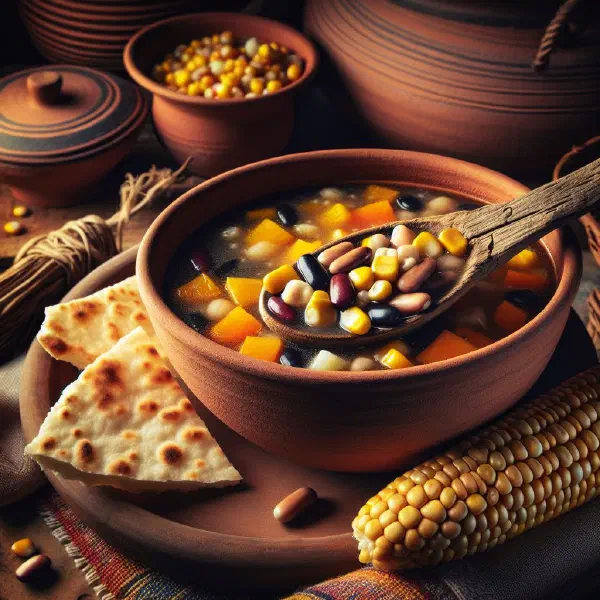
The right drink can lift the whole bannock experience. A hearty stew or a spiced soup makes a perfect partner for this traditional bread, a bowl of Three Sisters Soup is a natural match. A cold beer or a fruity smoothie also works well. For the sweet version of bannock, tea or milky drinks are ideal companions that bring out the flavour of the bread.
Serving and presentation ideas
Presentation makes a real difference with bannock. Serve the bread on a rustic wooden board with a selection of spreads to create a welcoming spread. Garnish with fresh herbs or edible flowers for an attractive finish. Interesting plates and bowls add to the occasion and are an easy way to impress your guests.
A bit of history
Bannock carries a rich cultural history and forms an important part of the heritage of Canada’s Indigenous peoples. Born out of necessity, it was a straightforward way to produce filling, sustaining food. It was eaten at feasts and on ordinary days alike, and has evolved steadily over the years. Today it stands for that heritage and for the variety that Canadian cuisine has to offer.
More recipe ideas
Summary: Bannock
Bannock is a versatile and flavourful traditional bread from Canada that lends itself to endless variations. The recipe is perfect for anyone who wants to bring a piece of Canadian culture into their own kitchen. Let it inspire you and enjoy a bread that works just as well as a side dish as it does as a snack.