National Dish Canada: Oat Cakes (Recipe)
In this article
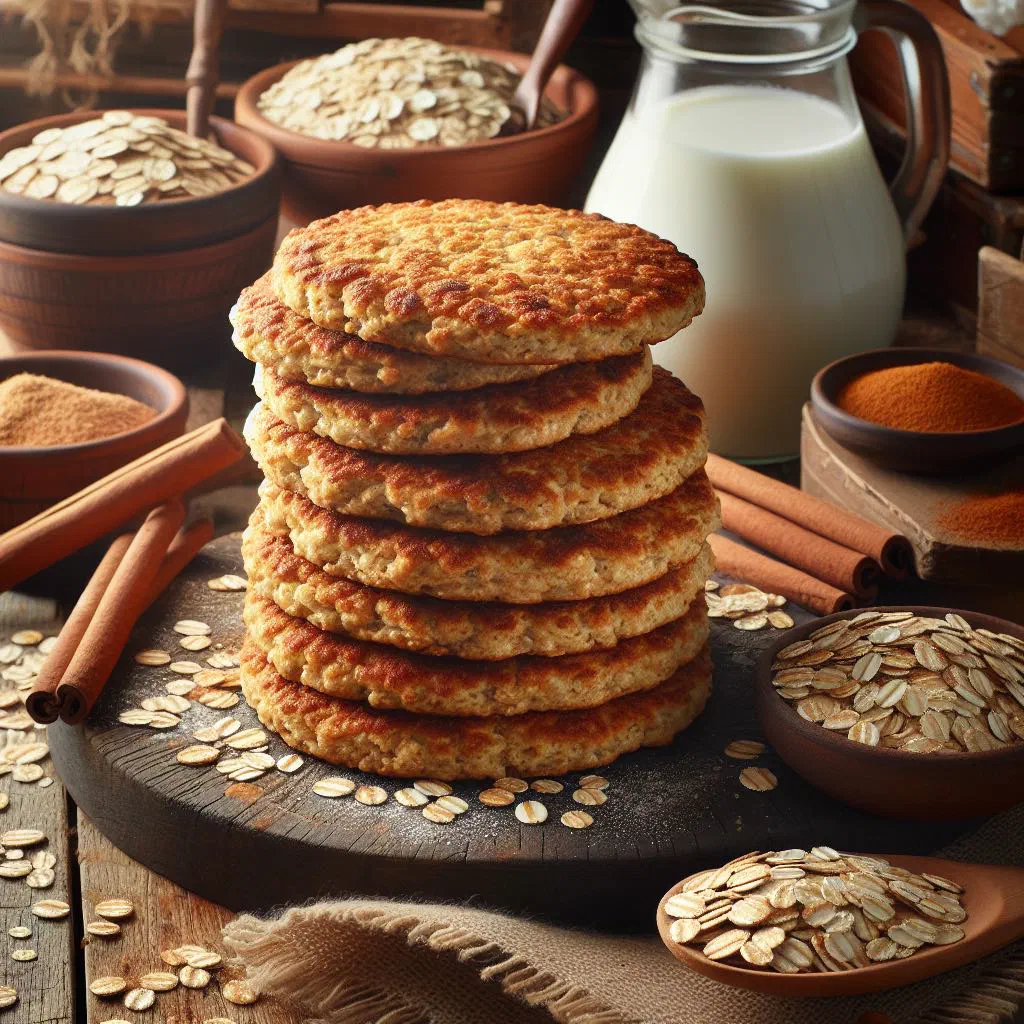
Meet Oat Cakes, the humble little biscuit that has been keeping Canadians going for generations. Crisp at the edges, satisfyingly crumbly in the middle and only lightly sweet, they sit somewhere between a biscuit and a hearty flatbread. They are the natural partner to a mug of strong coffee, an afternoon cup of tea or a lunchbox that needs something more substantial than a snack bar. Best of all, they come together from a handful of storecupboard ingredients in well under an hour.
About Oat Cakes
Oat Cakes are a genuine highlight of Canadian home baking, especially in the Maritime provinces where they have been a kitchen staple for well over a century. These traditional oat biscuits offer a wholesome, toasty flavour and a wonderfully crisp texture that makes them ideal for snacking. They are versatile and much loved. Let this recipe tempt you and bring a piece of Canadian food culture into your own kitchen.
Ingredients (serves 1–2)
- 100 g rolled oats
- 50 g plain flour (or gluten-free flour)
- 50 g sugar (adjust to taste)
- ½ teaspoon baking powder
- 80 g butter or margarine
- ¼ teaspoon salt
- Water, as needed
Shopping for the ingredients
When shopping for oat cakes, look for fresh, good-quality ingredients, with so few of them, each one really counts. Choose organic rolled oats to get the fullest flavour and the best nutritional value. If you plan to bake a gluten-free batch, pick up a suitable gluten-free flour as well. Both are easy to find in most supermarkets or in specialist health-food shops, and the same well-stocked baking aisle will also cover you for something like Bannock.
Preparing the dish
Getting ready to bake oat cakes is refreshingly straightforward. Start by weighing out all the ingredients and lining them up on the worktop so nothing gets forgotten mid-mix. Preheat your oven to 180°C so it is up to temperature by the time the dough is rolled. If you already know you like things sweeter or spicier, this is the moment to make those adjustments rather than after the dough has come together.
Step-by-step instructions
- In a bowl, combine the rolled oats, flour, sugar, baking powder and salt and mix thoroughly.
- Add the butter in small pieces and rub it into the dry ingredients until the mixture looks like coarse crumbs.
- Add water a little at a time until the dough is firm but workable.
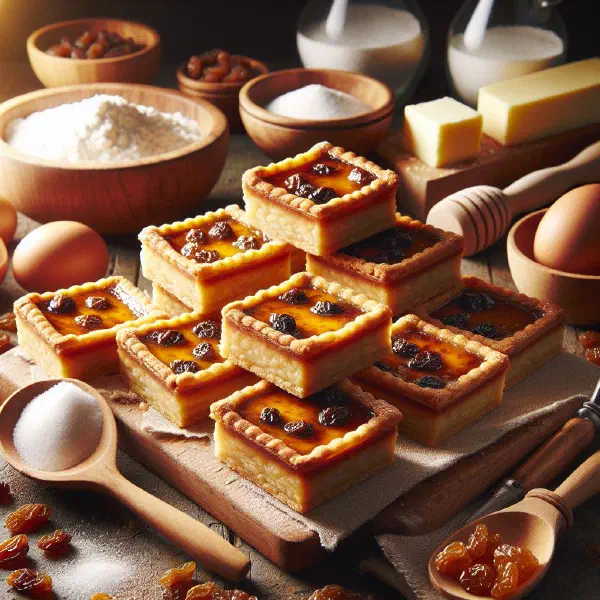
- Roll the dough out on a floured surface and cut it into rounds or squares.
- Place the oat cakes on a baking tray and bake for 15–20 minutes, until golden brown.
Gluten-free / lactose-free version
For a gluten-free batch, swap the plain flour for a gluten-free alternative such as rice flour or almond flour. Make sure the oats are certified gluten-free too, as standard oats are often milled alongside wheat. For a lactose-free version, simply use plant-based margarine or ghee in place of the butter. With those two small changes, anyone with a food intolerance can enjoy oat cakes without missing out.
Tips for vegans and vegetarians
Vegans can adapt oat cakes in seconds by replacing the butter with a plant-based option such as coconut oil or vegan margarine. Do check that the sugar is vegan too, if that matters to you, since some refined sugars are processed using animal-derived filters. Overall the recipe is remarkably forgiving and lends itself beautifully to vegetarian and vegan baking.
More tips and tricks
To make oat cakes even more interesting, work extra ingredients into the dough. Almonds, chopped nuts or dried fruit add not only flavour but a useful dose of nutrients. Let your imagination run and try different combinations. Spices such as cinnamon or a splash of vanilla can also lead to surprisingly good results, the same trick that lifts a tray of Pumpkin Spice Muffins.
Adapting the recipe to your taste
Everyone has their own idea of what a good biscuit should taste like, so do not hesitate to tweak this one. Prefer them sweeter? Add more sugar, or a spoonful of honey or maple syrup. For a more savoury version, stir in herbs or a pinch of your favourite spice blend. There are no hard rules when it comes to making oat cakes your own.
Ingredient substitutions
If you have no butter to hand, coconut oil or sunflower oil will do the job just as well. Instead of sugar, honey or agave syrup gives a softer sweetness. Particularly worth trying is wholemeal flour, which gives the oat cakes extra fibre and a nuttier character. Be creative with the ingredients and adjust them to whatever is in the cupboard.
Drink pairing ideas
Oat Cakes go beautifully with a wide range of drinks. A freshly brewed coffee or a fragrant tea is the classic accompaniment. For something sweeter, a homemade fruit smoothie works well, and a glass of cold milk never goes amiss. Experiment with different pairings to find the combination you enjoy most.
Serving and presentation ideas
Serving oat cakes can be simple yet striking. Pile them onto a rustic wooden board and garnish with fresh berries or edible flowers. A pretty napkin and attractive crockery do the rest. They also look wonderful as part of a spread with jam and cheese. Try them with Saskatoon Berry Jam or a wedge of sharp cheddar to turn a plate of biscuits into the centrepiece of the coffee table.
A bit of history
Oat Cakes have a long history in both Canadian and Scottish kitchens, brought across the Atlantic by Scottish settlers who put down roots in Nova Scotia and Cape Breton. They were originally made as a simple, sustaining food for labourers, miners and fishermen who needed something durable and filling. Over time they evolved into a beloved everyday snack found in countless households. Their place in Canadian cuisine remains strong, and they still turn up at regional festivals and community gatherings.
More recipe ideas
Summary: Oat Cakes
In short, oat cakes offer a delicious and endlessly adaptable way to dip into Canadian baking. With a few simple, wholesome ingredients you can turn out a batch of biscuits that works equally well as a snack or as the highlight of a coffee break. The many possible variations mean you can shape the recipe entirely around your own tastes. Give it a try and bring a little piece of Canada into your home.