National Dish Central African Republic: Corn Bread (Recipe)
In this article
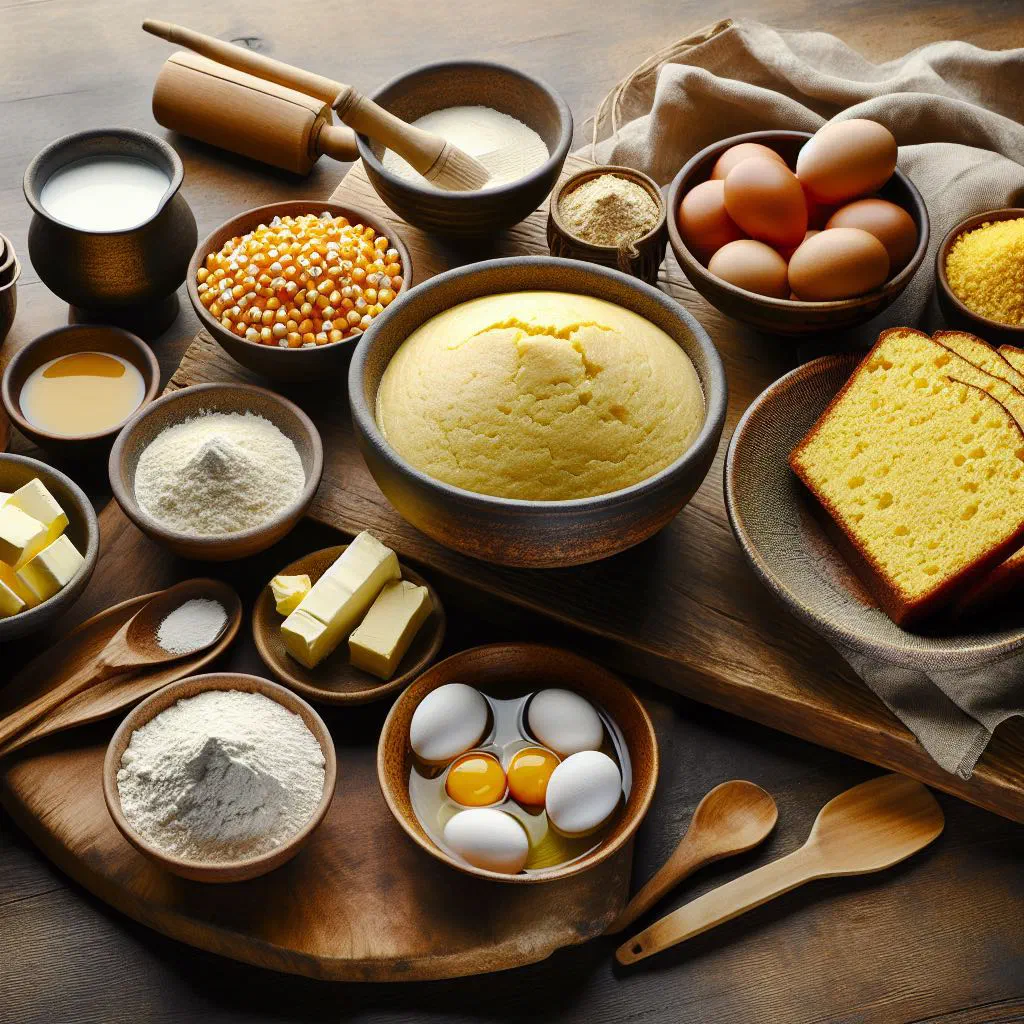
Discover Pain de maïs, the simple corn bread that turns up on tables all across the Central African Republic. Made from little more than cornmeal, water and a splash of oil, it delivers a gently sweet, golden crumb that soaks up rich stews beautifully. It is quick to mix, forgiving to bake and every bit as good torn apart as a snack. Few breads offer so much character for so little effort.
About Corn Bread
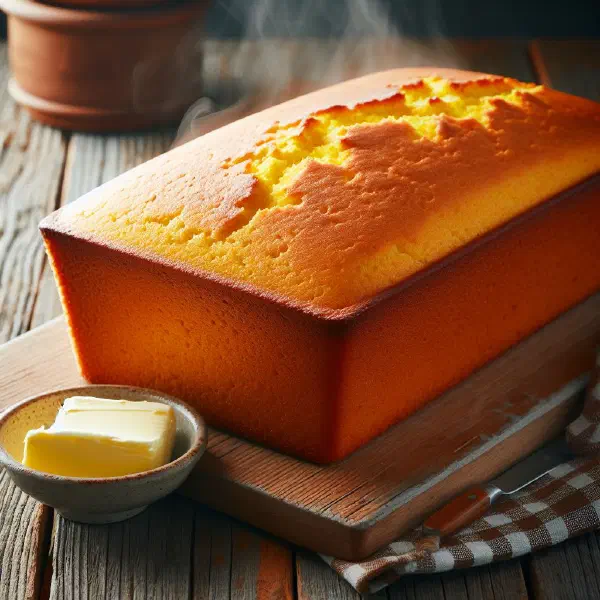
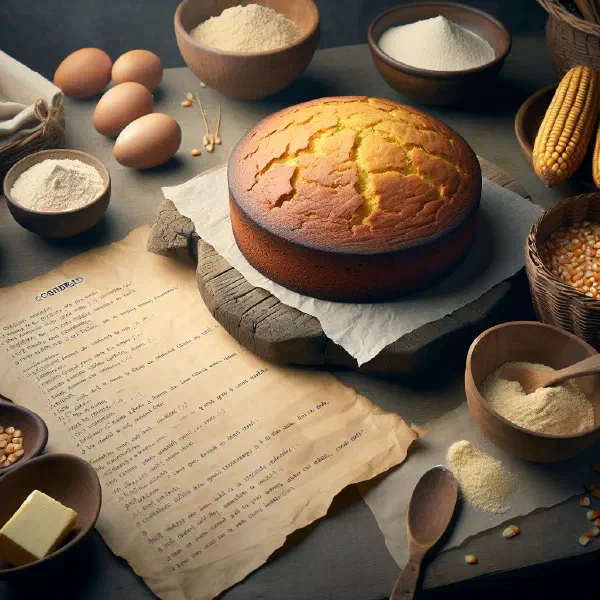
Pain de maïs is a classic bread from the Central African Republic, admired for its straightforward preparation and its distinctive flavour. It is built around cornmeal, an ingredient that sits at the heart of countless African kitchens. Its mild yet inviting aroma makes it an ideal partner for hearty stews and meat dishes. It is a natural match for something like Ngondzi. The bread also works splendidly as a snack between meals, filling you up while delivering genuinely wholesome nutrition.
Ingredients (serves 1–2)
- 150 g cornmeal
- 250 ml water
- 1 teaspoon salt
- 1 teaspoon baking powder
- 2 tablespoons oil (sunflower or olive, for example)
Shopping for the ingredients
The ingredients for pain de maïs are available in most grocers and supermarkets. Cornmeal in particular is a staple that African and Asian markets often sell in large quantities. Pay attention to quality when you buy, as fresh cornmeal has a decisive influence on the flavour of the finished loaf. The choice of oil deserves some thought too, since it lends the bread both aroma and a lovely golden colour.
Preparing the dish
Getting ready to bake pain de maïs is quick and uncomplicated. Measure out all the ingredients and set them within reach first, so the process runs smoothly from start to finish. The cornmeal can be passed through a fine sieve beforehand to break up any lumps, which gives a more even batter. It also helps to bring the water to room temperature, as this makes mixing noticeably easier.
Step-by-step instructions
- Combine the cornmeal, salt and baking powder thoroughly in a bowl.
- Add the water and oil, then stir everything into a smooth batter.
- Lightly oil a loaf tin or pan and pour the batter in evenly.
- Bake in a preheated oven at 180°C for about 30–40 minutes, until the bread is golden brown.
- Turn the bread out of the tin once baked and leave it to cool on a wire rack.
Gluten-free / lactose-free version
For anyone with an intolerance to gluten or lactose, pain de maïs is an excellent choice. Because the main ingredient, cornmeal, is naturally gluten-free, you can enjoy the recipe without hesitation. Do make sure to use a plant-based oil rather than butter to keep the loaf lactose-free. A neutral oil works best here, as it keeps the flavour of the bread clean and true.
Tips for vegans and vegetarians
Pain de maïs is naturally vegan and vegetarian, which makes it a great option for anyone eating a plant-based diet. It is worth checking your ingredients, particularly the oil, as some varieties are produced under questionable conditions. To add extra nutrients and flavour, stir in mixed herbs or a pinch of spice. The result is an authentic, wholesome snack that never fails to inspire.
More tips and tricks
For the best results with pain de maïs, keep a close eye on both temperature and baking time. Every oven behaves differently, so pay particular attention to the crust the first time you bake it. Placing a tray of water in the oven during baking raises the humidity and gives a softer crumb. Use fresh ingredients, ideally sourced locally, to draw out the fullest flavour.
Adapting the recipe to your taste
The beauty of pain de maïs lies in how adaptable the recipe is. You can add different herbs and spices to shift the flavour in whichever direction you fancy. For a sweeter version, work a little honey or sugar into the batter. Spices such as paprika or cumin give the bread an extra dimension and let you tune it precisely to your own palate, much as you might with Crêpes de Maïs.
Ingredient substitutions
If you have no cornmeal to hand, other flours such as rice flour or oat flour will do the job. Bear in mind that both the texture and the flavour of the bread will shift slightly as a result. The oil can be swapped just as freely, with coconut oil or rapeseed oil being good candidates. These alternatives bring interesting aromas into play and can make the loaf a little lighter.
Drink pairing ideas
The perfect drink for your pain de maïs depends on what you are serving it with. Plain water with a slice of lemon makes a fresh accompaniment, while a light African beer rounds off the whole experience nicely. Fruity juices such as Jus de Mangue or an unsweetened tea also go beautifully with this bread. Do experiment with different combinations until you find your own favourite pairing.
Serving and presentation ideas
For an appealing presentation, serve pain de maïs wrapped in a clean cloth or piled into a serving basket. Slice the bread and arrange it on a handsome wooden board, perhaps with a little olive oil or a feta dip alongside. Fresh herbs or a colourful salad make the whole spread more attractive still. Keep an eye on the colours of your sides so that the visual accents pull the table together harmoniously.
A bit of history
Pain de maïs has its origins in Central African cooking, where maize plays an important role as a staple crop. Historically it was prepared throughout rural areas as a filling accompaniment to simple meals such as Gombo. It stands for the culinary wealth of the local culture and for a long tradition that reaches back to the colonial era. The bread is part of everyday life and has branched into various regional variations over the years, yet it has always stayed authentic to its roots within Central African cuisine.
More recipe ideas
Summary: Corn Bread
Pain de maïs is a tasty and nourishing side, and a piece of culture from the Central African Republic. With its straightforward method and its many possible variations, it is a modest dish capable of leaving a considerable impression. Whether alongside hearty stews, eaten as a snack, or used as an experimental base for new recipes, pain de maïs offers no end of possibilities. Let African cooking work its magic on you and discover these delicious flavours for yourself.