National Dish Central African Republic: Gnetum Leaf Soup (Recipe)

In this article
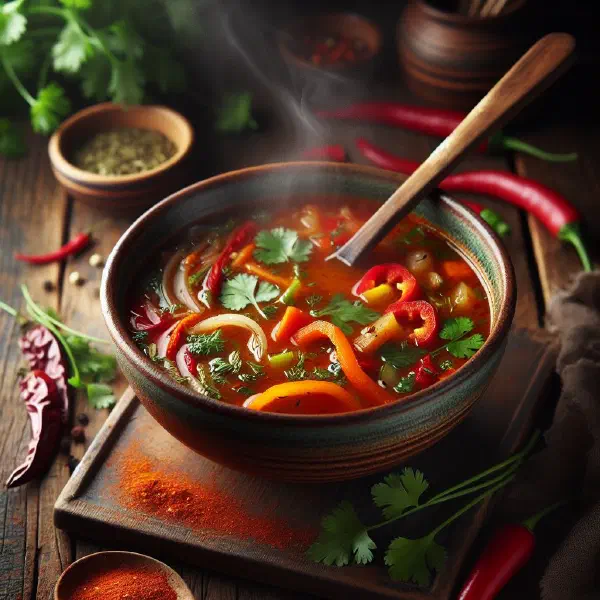
Discover Gnetum Leaf Soup, a traditional favourite from the Central African Republic that captures the region’s cooking in a single bowl. Finely shredded gnetum leaves, often called African spinach, simmer with tomato, onion and a spoonful of peanut butter until the broth turns rich, green and gently nutty. It is nourishing, naturally plant-based and surprisingly quick to put together, making it an ideal introduction to Central African flavours.
About Gnetum Leaf Soup
Gnetum Leaf Soup, known locally as soupe de gnetum, is a traditional dish of the Central African Republic that reflects the flavour range of the regional kitchen beautifully. The soup is built around nutritious gnetum leaves, prized for their vitamins and minerals and widely known as “African spinach”. The base brings together a handful of savoury ingredients that combine harmoniously to create a wholesome, deeply satisfying result. Thanks to its versatility and distinctive taste, this soup is an excellent choice for keen cooks and anyone in search of a new culinary adventure.
Ingredients (serves 1–2)
- 200 g fresh gnetum leaves
- 1 medium onion, diced
- 2 cloves of garlic, finely chopped
- 1 tomato, diced
- 1.5 l vegetable stock
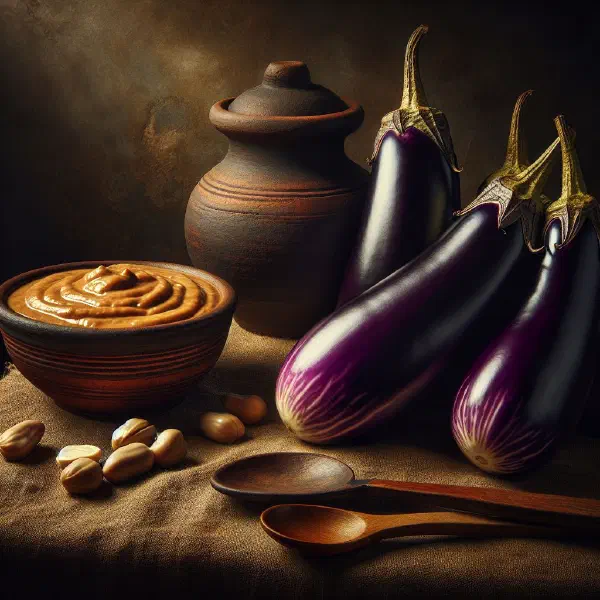
- 2 tablespoons peanut butter
- 1 tablespoon oil (palm or groundnut oil)
- Salt and pepper to taste
- Optional: chilli or other spices for heat
Shopping for the ingredients
When shopping for Gnetum Leaf Soup, it pays to choose the freshest ingredients you can find. Gnetum leaves are usually stocked by African and Asian grocers. Depending on where you live, spinach or chard make a workable substitute, although the flavour will not be quite identical. It is also worth buying a good-quality vegetable stock, since it carries much of the depth in the finished soup. The same careful shopping approach serves you well for a leafy classic like Fumbwa.
Preparing the dish
Preparing this soup is straightforward and requires no special cooking skills. Start by washing the gnetum leaves thoroughly and cutting them into small pieces. Fresh vegetables such as onions and tomatoes should be prepped just as carefully. This ensures that everything cooks evenly in the pot and that the aromas have the chance to develop fully.
Step-by-step instructions
- Heat the oil in a large pan and fry the diced onion and garlic until translucent.
- Add the diced tomato and cook briefly alongside.
- Pour in the vegetable stock and bring to the boil.
- Add the prepared gnetum leaves and simmer for about 10 minutes, until tender.
- Stir in the peanut butter and season with salt, pepper and any optional spices.
- Bring the soup back to the boil once more, then serve.
Gluten-free / lactose-free version
Gnetum Leaf Soup is naturally gluten-free and lactose-free, provided the stock you choose contains no additives carrying gluten or lactose. That makes the dish ideal for anyone with a corresponding allergy or intolerance. The peanut butter can also be swapped for another nut butter or for fresh nuts, which varies the nutty character while keeping the recipe easy to tolerate.
Tips for vegans and vegetarians
This soup is naturally an excellent option for vegans and vegetarians, since it rests entirely on plant-based ingredients. When cooking, take care to choose products with no animal origin at all, a vegetable stock free of animal components is the crucial detail. You can also make your own peanut butter for complete control over what goes in, much as you would when preparing Koko à la Sauce d’Arachide.
More tips and tricks
To intensify the flavours, add a blend of herbs and spices to the pot. Cooks across Africa often finish the bowl with fresh coriander or parsley as a garnish. Play with the amount of peanut butter until you hit the taste you want: some prefer a creamier consistency, while others like a thinner, more brothy soup.
Adapting the recipe to your taste
Gnetum Leaf Soup offers plenty of scope for adapting to personal preference. Add extra vegetables such as carrots or pumpkin for more nutrients and another layer of flavour. The heat is easy to dial up or down simply by using more or less chilli. You can also replace the peanut butter with tahini if you fancy taking the taste in a different direction.
Ingredient substitutions
If gnetum leaves are hard to track down, spinach or chard both work well as substitutes. The vegetable stock can be swapped for chicken stock if you would like a different flavour profile. The peanut butter, too, can give way to another nut butter or even coconut milk for a different texture and creaminess, a trick that also suits a rich pot of Sauce Graine.
Drink pairing ideas
A spiced soup like this calls for refreshing drinks that cleanse the palate. Lightly chilled mineral water or a home-made lemonade make excellent companions. For an alcoholic pairing, a white wine or a light lager complements the flavours nicely. A sweet fruit drink such as Jus de Mangue rounds off the meal very pleasantly.
Serving and presentation ideas
To present the soup attractively, ladle it into deep bowls and garnish with fresh herbs. A squeeze of lemon juice or a scattering of roasted peanuts helps lift the colours and adds extra aroma. Serve with fresh bread or traditional regional sides to complete the experience. A welcoming table setting makes the meal more enjoyable still.
A bit of history
Gnetum Leaf Soup has its origins in the Central African Republic, where it forms an important part of everyday eating. The use of gnetum leaves goes back to long-standing traditions among African communities, who have cultivated and cooked with these nutrient-rich plants for centuries. The soup embodies the culinary heritage of the region and its farming and its reliance on local produce, a hallmark of Central African cuisine. It is often prepared for special occasions and celebrations, bringing people together around one pot.
More recipe ideas
Summary: Gnetum Leaf Soup
Gnetum Leaf Soup is a delicious, nourishing bowl that brings the flavours of Central African cooking together. With its range of wholesome ingredients and its openness to individual tweaks, it suits keen cooks and anyone eager to discover new tastes. The simple method and the reliance on local produce make it a perfect dish for any occasion. Try this vegan, cholesterol-free soup and bring a piece of Central Africa into your own kitchen.