National Dish Central African Republic: Magaya (Recipe)
In this article
Meet Magaya, a quietly brilliant staple from the Central African Republic that proves how much comfort a handful of simple ingredients can deliver. Soft dumplings of cassava flour are simmered until tender, then served alongside a savoury filling of vegetables or meat. It is humble, filling and endlessly adaptable, the kind of dish that has fed families for generations and still feels fresh on a modern table.
About Magaya
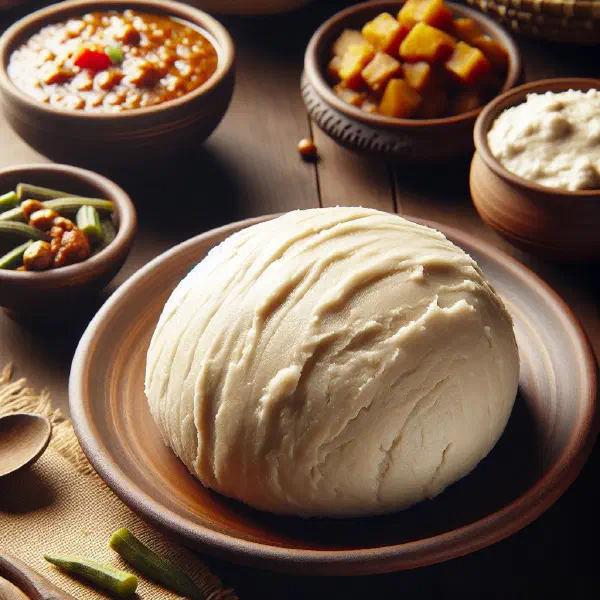
Magaya is a dish of long standing in the Central African Republic, with a history that reaches back through generations of home cooking. Its base is cassava flour, worked with water into a smooth, pliable dough. More often than not, magaya is rounded out with fillings such as vegetables or meat, which lend it substance and character. Firmly established across the region, it remains a fixture in the everyday diet of many locals.
Ingredients (serves 1–2)
- 200 g cassava flour
- 250 ml water
- 1 teaspoon salt (optional)
- Fillings of your choice (vegetables or meat, for example)
Shopping for the ingredients
The ingredients for magaya turn up in most African and Asian grocery shops. Cassava flour is the star of the show and should be as fresh as possible for the best aroma. The fillings can vary according to taste, vegetables such as spinach or meat such as chicken are popular choices. If you are after something more specialised, it is worth browsing an online shop for African foods, much as you might when sourcing ingredients for Fufu.
Preparing the dish
Preparing magaya is refreshingly straightforward. Begin by tipping the cassava flour into a bowl. Add the water and mix thoroughly so the dough comes together without lumps. Before you start cooking, get the fillings ready by washing, chopping or marinating them, so everything is to hand once the pan is hot.
Step-by-step instructions
- Combine the cassava flour, water and salt in a bowl until you have a smooth dough.
- Divide the dough into small portions and roll each one into a ball.
- Bring a pan of water to the boil and cook the dough balls for about 15 minutes.
- Meanwhile, fry the fillings (vegetables or meat, for instance) in a frying pan.
- Once the dough balls are cooked through, lift them out and leave to drain.
- Serve the fillings together with the dough balls.
Gluten-free / lactose-free version
Magaya is naturally gluten-free, since it is made almost entirely from cassava flour. For a lactose-free version, simply steer clear of any filling that contains dairy. Plant-based oils or a good stock will add plenty of flavour in their place. The dish stays every bit as delicious while remaining kind to anyone with a food intolerance.
Tips for vegans and vegetarians
For a vegan magaya, there is no shortage of vegetable fillings to draw on, peppers, aubergines or courgettes all work beautifully. Fry them in a pan with a few spices and you are done. Pulses such as chickpeas or lentils make an equally nourishing filling, in the same spirit as a hearty Caviar de Legumes. Magaya is therefore just as appealing to vegetarians and vegans as to anyone else, and gives you plenty of room to play with flavour combinations.
More tips and tricks
To deepen the flavour of magaya, reach for a few extra spices. Garlic or onions give the dish a real lift. Another useful trick is to season the cooking water with herbs or spices before you drop the dough balls in. They absorb far more flavour that way, and the difference is noticeable.
Adapting the recipe to your taste
One of the great strengths of magaya is how readily it bends to personal preference. If you like experimenting, try different flours such as maize flour or oat flour for a new flavour profile. The seasoning can shift too, depending on whether you prefer things mild or fiery. A dish like Foufou de Mais shows just how differently the same idea can turn out with another flour. Magaya stays interesting precisely because it never has to be made the same way twice.
Ingredient substitutions
If cassava flour proves hard to find, rice flour or sweet potato flour will do the job. Both behave similarly and bring their own subtle flavour to the dish. The fillings offer scope for substitution too, chicken can give way to tofu for a vegetarian option, for example.
Drink pairing ideas
Magaya goes well with refreshing drinks such as fruity lemonades or unsweetened iced tea. Traditional drinks from the Central African Republic, moringa tea, say, or baobab juice, make excellent companions as well, as does a chilled Jus de Bissap. These round off the meal and bring out the flavours of the country all the more clearly. Try a few combinations and find the one you like best.
Serving and presentation ideas
How you present magaya can make a real difference to the pleasure of eating it. Use colourful plates or bowls to show the dish off. The dough balls can be arranged on a large platter with the fillings alongside, ideally garnished with fresh herbs. Presented that way, an everyday meal starts to feel like a feast and invites everyone to dig in.
A bit of history
The roots of magaya reach deep into traditional African cooking. For a long time it was food for ordinary people, made with whatever was available locally. Over the years it has grown into a well-loved part of the modern repertoire, appreciated not only in the Central African Republic but beyond its borders too, a pattern shared by much of Central African Republic cuisine. Magaya tells a story of tradition, change and people gathering around a table.
More recipe ideas
Summary: Magaya
In short, magaya is a simple but exceptionally nourishing dish that reflects the culture of the Central African Republic. With its hearty cassava base and the sheer versatility of its fillings, it adapts easily to almost any preference. Magaya brings the taste of Africa straight to the table and invites you to explore the culinary richness of the region. Enjoy the cooking, and let the variety spoil you.