National Dish Central African Republic: Mbanga Soup (Recipe)
In this article
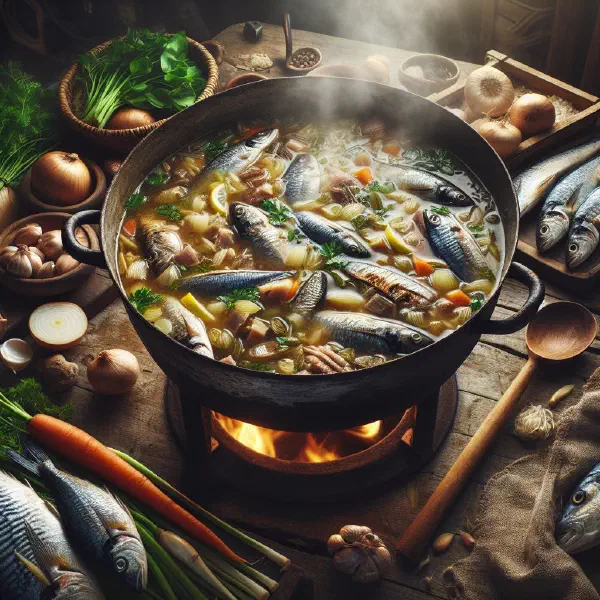
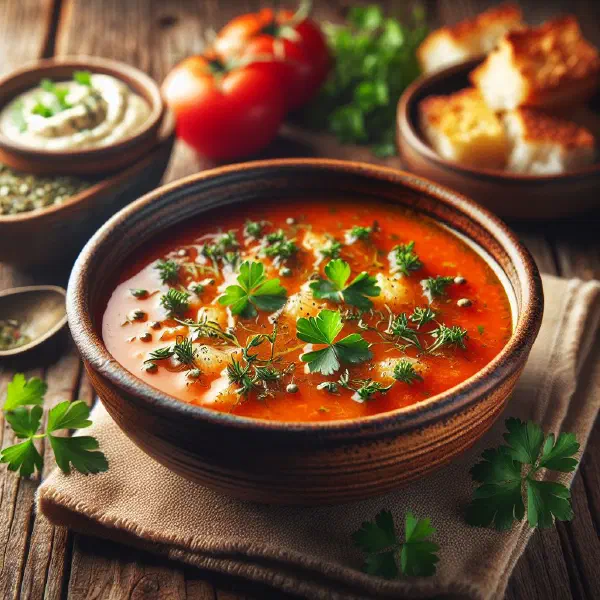
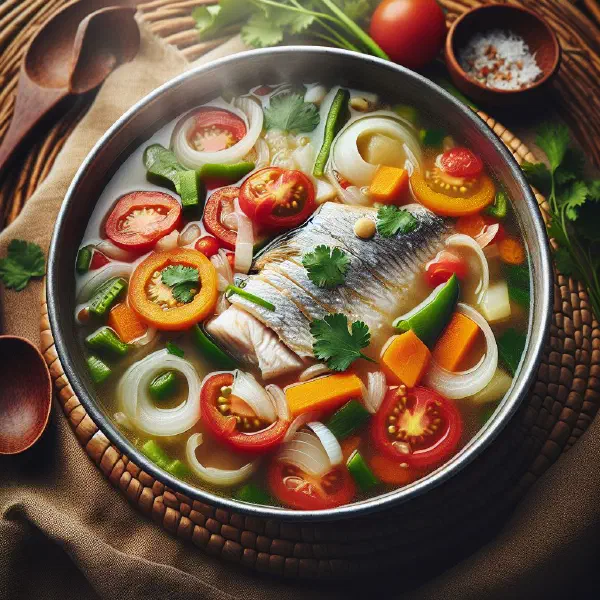
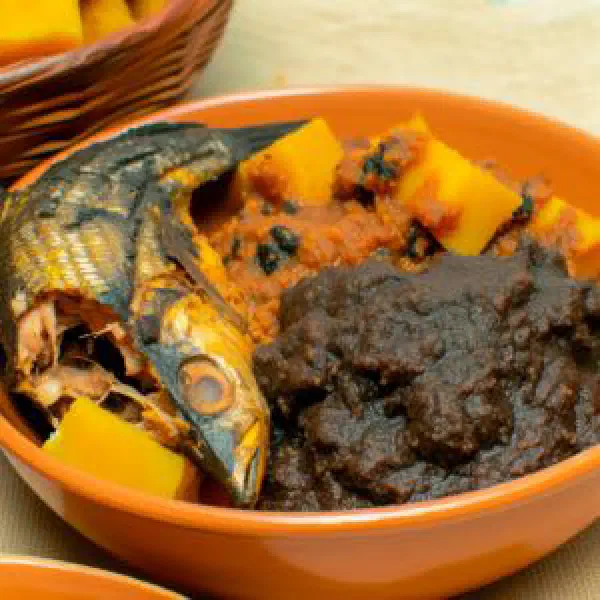
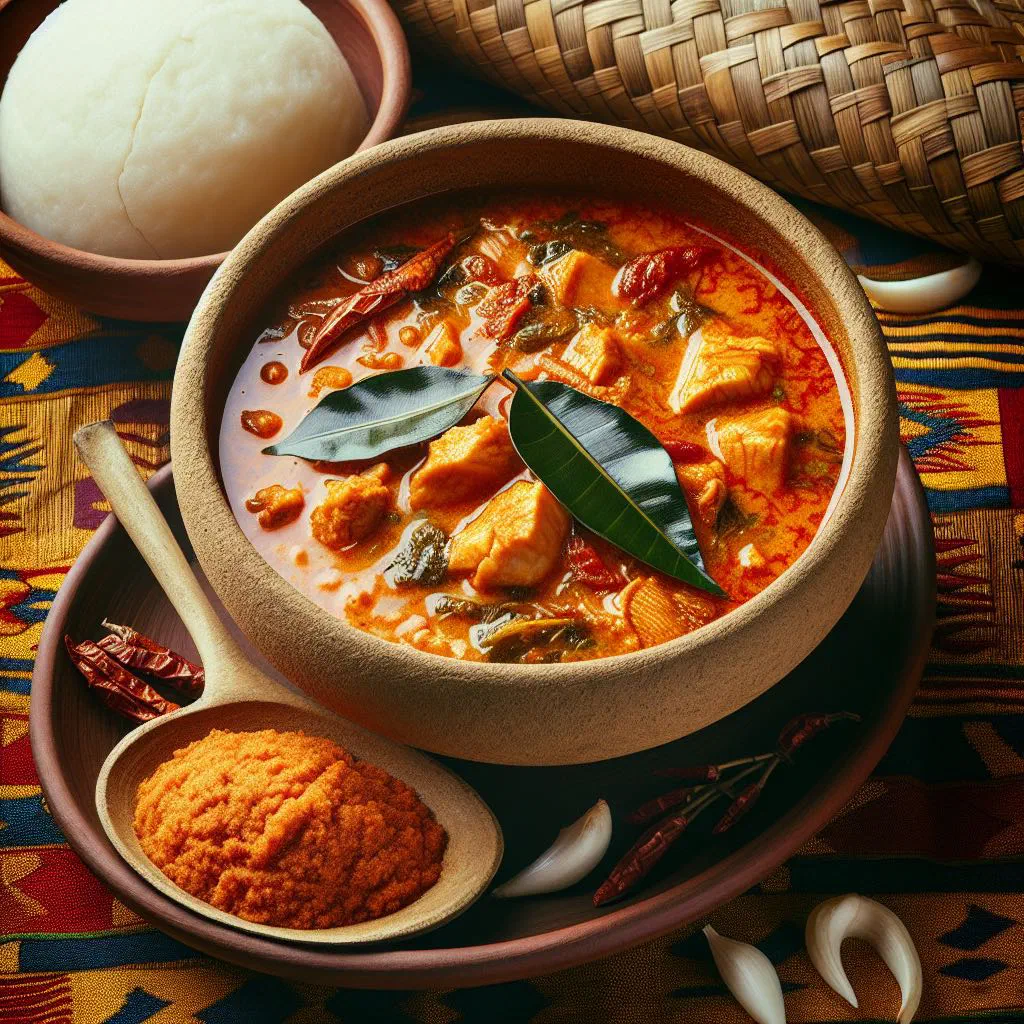
Discover the aromas of Central Africa with Mbanga Soup, a warming fish soup built on the deep, earthy richness of red palm oil. Fresh river fish simmers with onion, garlic and ginger until the broth turns glossy and fragrant, then a handful of chopped coriander lifts the whole thing at the last moment. It is an easy way to bring something genuinely new to your table, bold, spiced and unmistakably West and Central African in character.
About Mbanga Soup
Mbanga Soup is an exotic and thoroughly satisfying speciality of Central African cooking. Its signature comes from the pairing of palm oil, fresh fish and warm ground spices, which together give the broth its deep russet colour and rounded flavour. This traditional dish is perfect for anyone who wants to try something unfamiliar and add an international classic to their repertoire. Like Sauce Graine, it shows how much depth palm fruit can bring to a simple pot.
Ingredients (serves 1–2)
- 300 g fresh fish (tilapia or catfish, for example)
- 2 tablespoons red palm oil
- 1 large onion, diced
- 2 cloves of garlic, finely chopped
- 1 teaspoon fresh ginger, grated
- 1 teaspoon ground coriander seeds
- 1/2 teaspoon ground black pepper
- 1/2 teaspoon chilli flakes (to taste)
- 500 ml fish stock or water
- 1 bunch fresh coriander, chopped
- Salt to taste
Shopping for the ingredients
When shopping for mbanga soup, look for fresh produce and good quality throughout. The palm oil and the fresh fish matter most, as they carry the authentic flavour of the dish. You will often find red palm oil in a well-stocked supermarket or in an African grocery. Buy your fish from a local fishmonger if you can, so you can be sure of its freshness.
Preparing the dish
Before you start cooking, rinse the fish thoroughly and cut it into portion-sized pieces. Peel and finely chop the onion, garlic and ginger. Have the fish stock ready to hand and measure out the remaining spices in advance. With everything prepared, the cooking itself moves along quickly and calmly.
Step-by-step instructions
- Heat the palm oil in a large pan over a medium heat.
- Add the onion, garlic and ginger and soften gently.
- Stir in the chilli, ground coriander, black pepper and salt and let them sizzle briefly.
- Add the pieces of fish and sear lightly on all sides.
- Pour in the fish stock, stir, and bring the soup to the boil.
- Turn the heat down low and let the soup simmer for around 20 minutes, until the fish is cooked through.
- Finally, stir the fresh coriander through the soup and adjust the seasoning.
- Serve piping hot and enjoy.
Gluten-free / lactose-free version
Mbanga soup is naturally gluten-free and lactose-free, as it relies on fish, oil and spices rather than flour or dairy. The only point to watch is the stock: check that any shop-bought fish stock or bouillon cube is free from wheat-based thickeners. Serve the soup with plain rice or boiled cassava rather than bread and the whole meal stays suitable for anyone avoiding gluten.
Tips for vegans and vegetarians
For a vegan or vegetarian version of mbanga soup, simply replace the fish with cubes of firm tofu and use vegetable stock in place of the fish stock. Bear in mind that the intensity of the flavour shifts slightly, so you may want a little extra ginger or chilli to compensate. Plenty of Central African dishes are plant-based to begin with, as a bowl of Saka Saka shows.
More tips and tricks
Mbanga soup can be tailored easily to your own preferences. Do you like things properly fiery? Just increase the quantity of chilli flakes. A squeeze of fresh lime juice at the end gives the dish an extra lively note and balances the richness of the palm oil beautifully.
Adapting the recipe to your taste
Some people prefer a thicker soup, others a lighter, brothier one. To control the consistency of your mbanga soup, play with the amount of liquid, stock or water, that you add. A little cornflour stirred in towards the end will thicken the soup if you want it more substantial.
Ingredient substitutions
If you have no palm oil to hand, or would rather not use it, coconut oil makes a good alternative and lends the soup its own exotic note. As for the fish, other firm varieties work just as well as tilapia or catfish, which is exactly the flexibility you see in a dish like Soupe De Poisson. Choose whatever looks best on the day.
Drink pairing ideas
Light, refreshing drinks are the traditional match for mbanga soup. A homemade lemonade or a well-chilled white wine complements the peppery aromas of the dish nicely. A cold glass of Jus De Gingembre is another excellent choice, echoing the ginger in the pot.
Serving and presentation ideas
Serve the mbanga soup in large, deep bowls and garnish with fresh coriander leaves. A few slices of baguette or cassava bread on the side underline both the exotic character and the completeness of the meal. A portion of Fufu alongside turns the soup into a properly filling main course.
A bit of history
Mbanga soup has its roots in Central African cooking and reflects a long-standing local fondness for fish and palm oil. It symbolises the meeting of land and water, and the habit of making full use of what nature provides. Over the centuries the recipe has travelled and taken on countless variations, yet it remains a fixture of traditional Central African cuisine.
More recipe ideas
Summary: Mbanga Soup
Mbanga soup offers an authentic glimpse into the rich flavour world of Central African cooking. With this recipe you can recreate a traditional dish that will win over your senses with its warmth, spice and freshness. Thanks to the substitutions and tips above, vegans and vegetarians can join in too. Let the many aromas of Central Africa tempt you and set off on a small tour of your own.