National Dish Central African Republic: Sauce Gombo (Recipe)

In this article
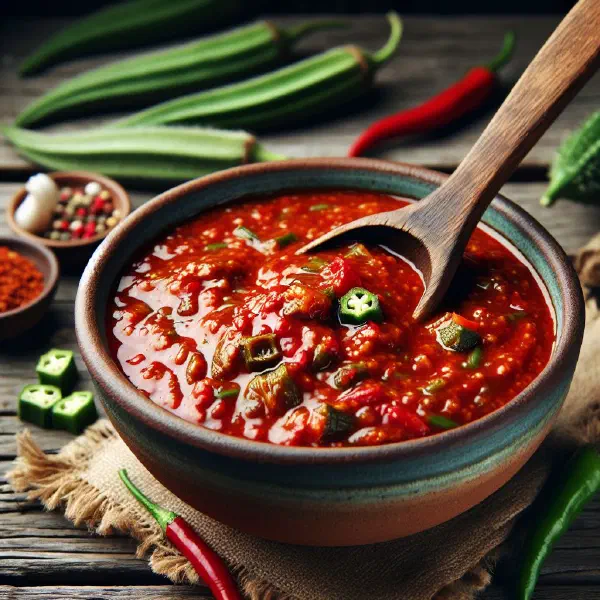
Meet Sauce Gombo, a fresh, vividly green okra stew that sits at the heart of everyday cooking in the Central African Republic. Tender okra pods thicken the sauce naturally, while onions, tomatoes and peppers build a savoury base that carries whatever spices you care to add. It is quick, thrifty, entirely plant-based and endlessly forgiving, a dish that works just as happily as a main course as it does alongside rice or a mound of pounded starch.
About Sauce Gombo
Sauce Gombo is a classic dish from the Central African Republic, admired for its distinctive character and its generous use of fresh fruit and vegetables. The defining ingredient is the okra pod, which gives the sauce its unmistakable silky body and brings a good deal of nourishment with it. A well-judged mix of aromatic spices lifts the whole thing into something far more interesting than the short ingredient list suggests. In many households it appears on the table regularly, sometimes as a side, sometimes as a satisfying main dish in its own right.
Ingredients (serves 1–2)
- 250 g fresh okra
- 1 onion
- 2 tomatoes
- 1 pepper
- 2 garlic cloves
- 1–2 tablespoons oil, for frying
- 500 ml vegetable stock
- Spices to taste (salt, pepper, paprika)
Shopping for the ingredients
Fresh ingredients make all the difference to a good sauce gombo. Look for okra pods that feel firm and look bright green, as limp or browning pods will muddy the flavour. The onions, tomatoes and peppers should be ripe and in good condition too. A trip to a local market is often the best way to find proper vegetables, and it supports regional growers at the same time, the same principle that rewards you when cooking Caviar De Legumes.
Preparing the dish
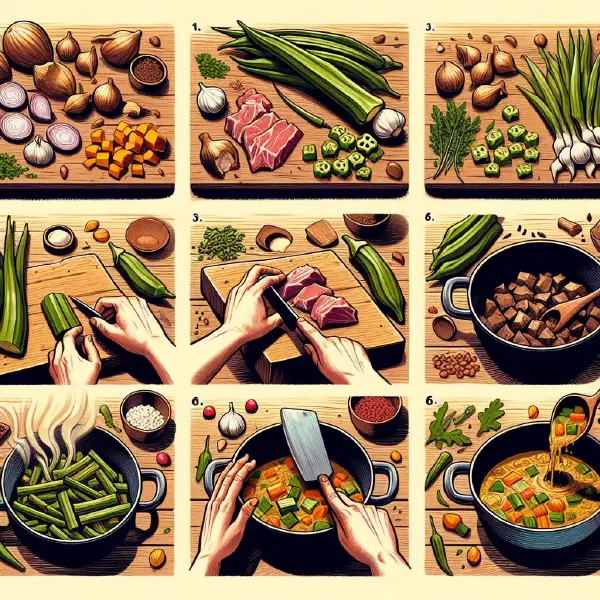
A little care with the prep pays dividends here. Wash the okra thoroughly and trim off the ends. Chop the onion, tomatoes and pepper into small pieces so their flavours are released readily into the sauce. Finely chop the garlic as well, so it develops its full aroma the moment it hits the hot pan. With everything laid out and ready, the cooking itself takes only a matter of minutes.
Step-by-step instructions
- Heat the oil in a pan over a medium heat.
- Add the chopped onion and garlic and fry until golden brown.
- Stir in the tomato and pepper pieces and let them cook briefly.
- Add the okra pods and mix everything together well.
- Pour in the vegetable stock and let the sauce simmer over a low heat.
- Season to taste with salt, pepper and any other spices you like.
- Cook for around 15 to 20 minutes, until the okra is tender.
- Serve the sauce gombo piping hot and enjoy.
Gluten-free / lactose-free version
Sauce gombo is naturally both gluten-free and lactose-free, which makes it an excellent choice for anyone with an intolerance. No special adjustments are needed at all. Simply check that everything you use, the stock in particular, is free of gluten-containing additives, and you can dig in without a second thought.
Tips for vegans and vegetarians
The dish suits vegans and vegetarians perfectly, since it contains no animal products to begin with. To make it heartier, work in extra vegetables or pulses such as lentils or chickpeas, which add valuable protein alongside the flavour. Experiment with different vegetables until you land on a version that feels like your own, much as you might when making Fumbwa.
More tips and tricks
A few extra touches will take the dish up a level. Fresh herbs such as parsley or coriander intensify both the colour and the aroma. A pinch of chilli or cayenne pepper adds a welcome kick if you like some heat. Above all, take care not to overcook the okra, left too long in the pan it turns unpleasantly slimy, and the texture is much of the pleasure.
Adapting the recipe to your taste
Everyone has their own preferences at the table, and sauce gombo adapts readily. For a milder result, reduce the spices or leave them out altogether. If you want a more substantial, nutrient-dense meal, simply add more vegetables. Draw inspiration from related dishes such as Dongo Dongo and build your own version from there.
Ingredient substitutions
If fresh okra proves hard to track down, frozen okra makes a perfectly good stand-in. The remaining ingredients are equally open to seasonal or regional alternatives: courgette or aubergine both work nicely in place of the pepper. Substitutions like these open up new flavour possibilities and keep the dish interesting from one cook to the next.
Drink pairing ideas
Refreshing drinks are the natural match for sauce gombo. A glass of mineral water or a homemade fruit juice provides the perfect cooling contrast. Light white wines or a cold beer also sit well against the savoury flavours. For something non-alcoholic with a bit more personality, a pineapple or watermelon cooler, or a glass of Jus De Bissap, makes an excellent addition.
Serving and presentation ideas
An appetising presentation adds a great deal to the meal. Serve the sauce gombo in a shallow bowl and garnish it with fresh herbs. Play with contrasting colours by pairing it with bright green vegetables or colourful sides. A few slices of lime or lemon on the rim improve both the look and the freshness of the plate.
A bit of history
Sauce gombo has deep roots in African cooking, passed down from one generation to the next. Okra, the backbone of the sauce, originated on the African continent and has since travelled into kitchens all over the world. The dish is more than a piece of culinary heritage: it reflects the cultural variety and the history of the Central African Republic itself. Eating it is as much a connection to that culture as it is a pleasure, and it remains a fine introduction to Central African Republic cuisine.
More recipe ideas
Summary: Sauce Gombo
Sauce gombo is a versatile, nourishing dish that brings the flavours of the Central African Republic together in the most delicious way. Built on fresh ingredients and a handful of well-chosen spices, it is straightforward to prepare and easy to shape around your own preferences. It brings colour and flavour to the table. Give this traditional favourite a go and discover the variety of African cooking for yourself.