National Dish Central African Republic: Sauce Pistache (Recipe)
In this article
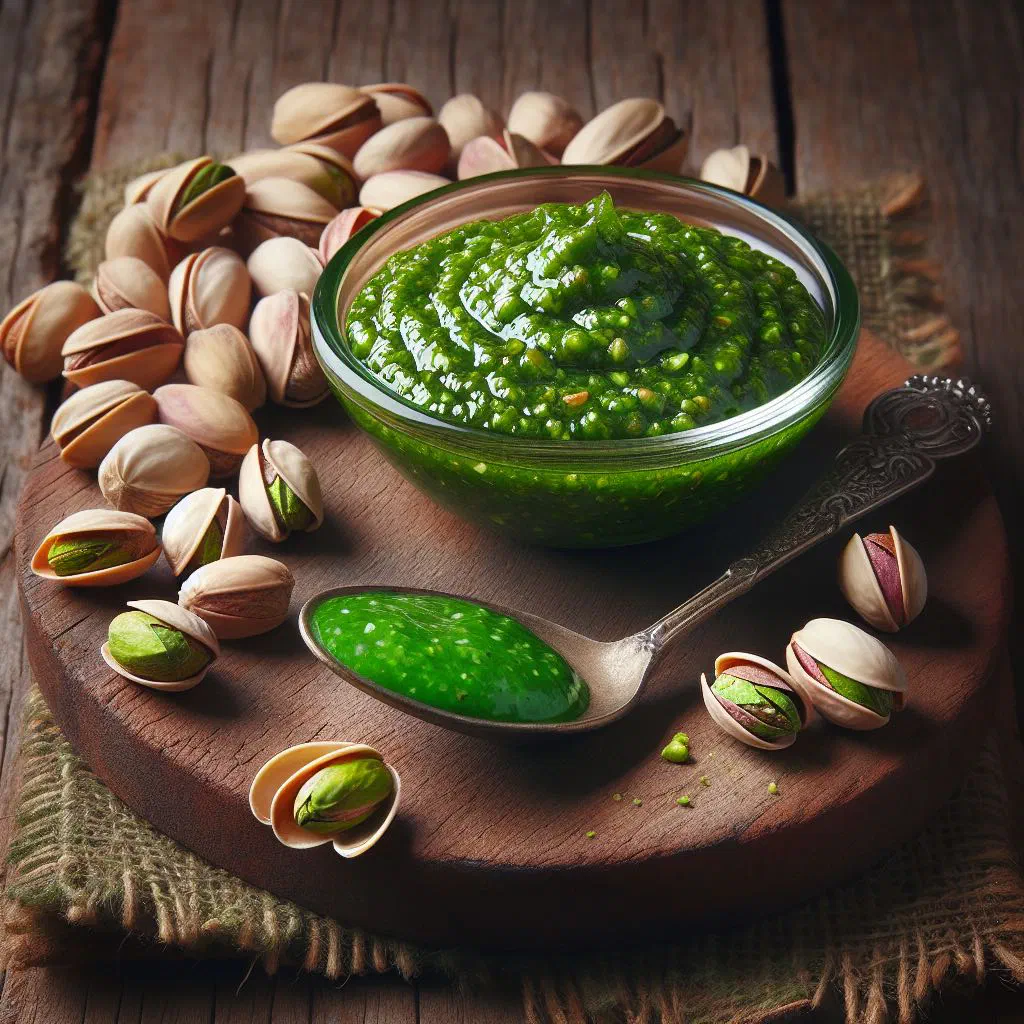
Meet Sauce Pistache, a wonderfully nutty sauce from the Central African Republic that turns a simple bowl of rice into something memorable. Ground nuts simmered with onions, garlic and tomato give it a rich, rounded depth, while a spoonful of palm oil lends the colour and warmth that make Central African cooking so distinctive. It is naturally plant-based, quick to bring together and endlessly forgiving, the sort of everyday dish that quietly wins people over.
About Sauce Pistache
Sauce Pistache is a traditional dish of the Central African Republic and a fine illustration of just how varied and generous African cooking can be. Its nutty aroma, drawn from pistachios, meets a handful of fresh, everyday ingredients to create something genuinely delicious. It is most often served with rice or alongside various meats, which makes it suitable for almost any occasion. Beyond the flavour, the sauce carries a real sense of cultural identity for the region, much like the peanut-based Riz A La Sauce Darachide that shares its table.
Ingredients (serves 1–2)
- 100 g pistachios
- 2 onions
- 2–3 garlic cloves
- 1 tomato
- 2 tablespoons palm oil
- 1 teaspoon pepper
- 1 teaspoon salt
- Fresh herbs of your choice (parsley, for example)
- 600 ml water
Shopping for the ingredients
Before you start on the sauce pistache, gather everything you need. Choose fresh, good-quality pistachios above all, since they are the heart of the dish and carry most of its character. Fresh onions and garlic matter too, as they build the aromatic base the sauce rests on. Local markets or a well-stocked supermarket will usually cover the whole list, and African grocers are a reliable source for palm oil.
Preparing the dish
Preparation calls for a few straightforward steps, beginning with a careful look at your ingredients. First, roughly chop the pistachios so their oils and aromas are released during cooking. Next, peel and slice the onions and garlic cloves. The tomato is chopped small as well, bringing a fresh, slightly acidic note into the finished sauce.
Step-by-step instructions
- Heat 2 tablespoons of palm oil in a pan and fry the chopped onions and garlic until fragrant.
- Add the chopped tomato and let everything bubble gently for a moment.
- Tip in the chopped pistachios and stir well to combine.
- Pour in 600 ml of water and season with salt and pepper.
- Simmer over medium heat for about 20 minutes, until the sauce thickens.
- Garnish with fresh herbs and stir through just before serving.
Gluten-free / lactose-free version
Sauce pistache is naturally gluten-free and lactose-free, which makes it a great choice for anyone cooking around those restrictions. Simply check that the ingredients you buy are certified free from gluten, especially if you plan to serve other dishes alongside. Pair it with sides that are equally suitable, plain rice or a starchy staple such as Fufu both work beautifully. Your meal stays worry-free and full of flavour.
Tips for vegans and vegetarians
Sauce pistache is already vegan and vegetarian by nature, since it contains no animal products at all. If you would like more protein, tofu or a good vegetable stock slot in easily without disturbing the balance. It is also worth experimenting with different vegetables to bring the sauce closer to your own taste. Serve it with fried or steamed vegetables for a complete, satisfying plate.
More tips and tricks
To shift the flavour profile of the sauce, reach for extra spices and additions. A pinch of chilli gives a pleasant heat, while coriander adds a bright, fresh lift. You can also play with the consistency by using more or less water, depending on whether you want a pourable sauce or a thicker one. Let the wider tradition of Central African cooking inspire you and develop a version that is truly yours.
Adapting the recipe to your taste
Sauce pistache is remarkably flexible and adapts to personal preference with very little effort. If you prefer something creamier, a splash of plant-based cream does the job neatly. Swapping the palm oil for olive oil or coconut oil is perfectly possible too, and each brings its own subtle character.
Ingredient substitutions
If you find yourself missing an ingredient, there are plenty of good alternatives. Sunflower oil, for example, stands in for palm oil without any trouble. In place of the pistachios you can use cashews or whichever nuts you prefer, groundnuts in particular echo the flavour of dishes such as Ngunja Aux Arachides. Bear in mind that these swaps will shift the taste a little, though they still deliver an excellent result.
Drink pairing ideas
The right drink rounds off the sauce pistache experience nicely. A well-chilled West African beer sits beautifully against the nutty notes of the sauce. Fruit juices such as mango or pineapple are another good option, their sweetness balancing any heat on the plate, a chilled Jus De Mangue is ideal here. For something alcohol-free and warming, a ginger tea brings a gentle spice that matches the dish well.
Serving and presentation ideas
How you present sauce pistache can shape the whole meal. Serve it in a rustic bowl and finish with a scattering of fresh herbs. The dish looks its best arranged on a large platter with steamed rice and colourful vegetables such as peppers or broccoli. Simple, elegant arrangements like these lift the enjoyment considerably and rarely fail to impress guests.
A bit of history
Sauce pistache has its roots in the long culinary tradition of the Central African Republic. The reliance on nuts and fresh produce reflects local agriculture and what has always been readily available. The sauce forms part of everyday eating for many people in the region and has been passed down and refined from one generation to the next. Its adaptability and the sheer range of possible ingredients make it an important thread in the fabric of Central African cuisine.
More recipe ideas
Summary: Sauce Pistache
Sauce pistache offers a delicious meeting of nutty and savoury flavours that gives any plate a little extra something. As part of the traditional cooking of the Central African Republic, it is simple to make and remarkably easy to adjust to different palates. Enjoy it with rice or steamed vegetables and bring a piece of Central African culture into your own kitchen. Let the variety and depth of this sauce win you over.