National Dish Central African Republic: Tapé (Recipe)
In this article
Meet Tapé, a warm, deeply comforting cassava dish that sits right at the heart of cooking in the Central African Republic. Soft mashed cassava meets golden onions, garlic and a generous kick of chilli, with meat or vegetables folded through as the occasion demands. It is the sort of food that gets made when people gather, hands busy, pots steaming, everyone waiting for the first spoonful. Bring a little of that spirit into your own kitchen.
About Tapé
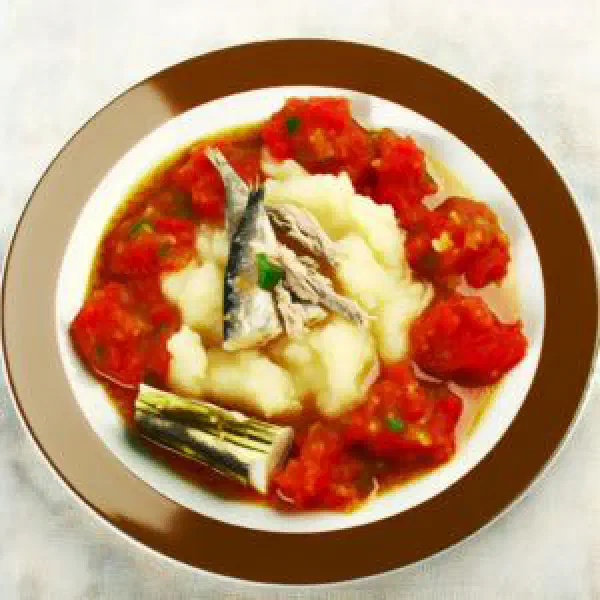
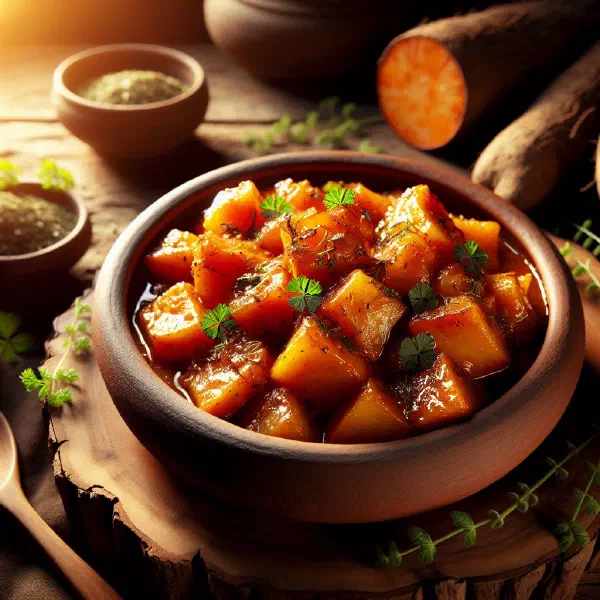
Tapé is a symbolic dish of the Central African Republic, rooted deeply in the country’s culture and traditions. It brings together a harmonious combination of cassava, warming spices and an optional addition of meat or vegetables. The dish is not only nourishing but a genuine burst of flavour, the kind that turns a festive occasion into something memorable. Preparing Tapé is very much a social affair, and sharing it strengthens the bonds of the community that made it.
Ingredients (serves 1–2)
- 250g cassava (fresh if possible)
- 1 onion, finely chopped
- 2 cloves of garlic, crushed
- 1–2 chillies (to taste)
- Optional: 100g meat (chicken or beef) or 150g mixed vegetables
- 1 teaspoon salt
- 2 tablespoons oil (palm oil works beautifully)
- Water
Shopping for the ingredients
When shopping for Tapé, freshness matters most of all, especially with the cassava that forms the base of the dish. A good root gives a little under gentle pressure, a reliable sign that it has not been sitting around too long. The remaining ingredients such as onions and garlic should be of equally good quality so the aromas can come through properly. Where organic produce is available, it is worth choosing, both for flavour and for a healthier result.
Preparing the dish
Preparation for Tapé begins with peeling the cassava and cutting it into small pieces. Wash the root thoroughly to remove any soil or grit clinging to it. Get the other ingredients ready at the same time by chopping the onions and crushing the garlic. If you have decided to cook with meat, dice it small as well and give it a good marinade to deepen the flavour before it goes anywhere near the pan.
Step-by-step instructions
- Bring the cassava pieces to the boil in a pan of water and simmer for 20–30 minutes until soft.
- Drain off the water and mash the cassava thoroughly until you have a smooth mixture.
- Heat the oil in a frying pan and fry the onions and garlic until golden.
- Optional: add the meat or vegetables and fry briefly to release their aromas.
- Add the mashed cassava to the pan, stir everything together well and season with salt and chillies.
- Spread the mixture evenly in the pan and cook over a medium heat for a few minutes until fully combined.
Gluten-free / lactose-free version
For a gluten-free and lactose-free version of Tapé, check that all your ingredients, spices and oils included, carry no hidden gluten or dairy. Cassava is naturally free from gluten, which makes this dish an excellent choice for anyone with an intolerance. Plant-based oils keep the recipe free of animal products entirely. When selecting vegetables and seasonings, natural and unadulterated products are always the better bet.
Tips for vegans and vegetarians
If you would like a vegan or vegetarian version of Tapé, simply swap the meat for extra vegetables or a handful of pulses. Carrots, peppers and green beans are all popular choices and each brings its own nutrients to the plate. Fresh herbs such as coriander or parsley add another layer of aroma. Remember that your choice of spices ultimately decides the character of the finished dish, much as it does in a hearty Gombo.
More tips and tricks
To get the very best from Tapé, experiment with different spices and aromatics. A combination of cayenne and black pepper, for instance, gives the dish a lively heat. You can also scatter over toasted nuts or seeds to introduce a contrasting texture. Serving Tapé with a small side of fresh salad or salsa rounds the whole thing out nicely.
Adapting the recipe to your taste
The recipe for Tapé adapts wonderfully to personal preference. Play with the quantities to change how soft the mixture ends up or how much heat it carries. Curry powder or lemongrass are both worth trying if you fancy taking the dish somewhere completely new. Mashed avocado served alongside improves the texture and lifts the flavour considerably.
Ingredient substitutions
If you cannot track down fresh cassava, cassava flour makes a workable substitute, though you will need to adjust the cooking time and the amount of water depending on the product. The meat can be replaced with tofu or tempeh for a protein-rich alternative. Plenty of vegetables and pulses work here too, depending on what is in season and what you happen to enjoy, the same flexibility you find in dishes like Saka Saka.
Drink pairing ideas
A savoury dish such as Tapé calls for something refreshing in the glass. Homemade lemonade or a freshly pressed tropical fruit juice such as Jus De Mangue pairs beautifully. Lightly sparkling mineral water also does a good job of cleansing the palate between mouthfuls. For those after something alcoholic, a light wine or a fruity cocktail rounds off the flavours well.
Serving and presentation ideas
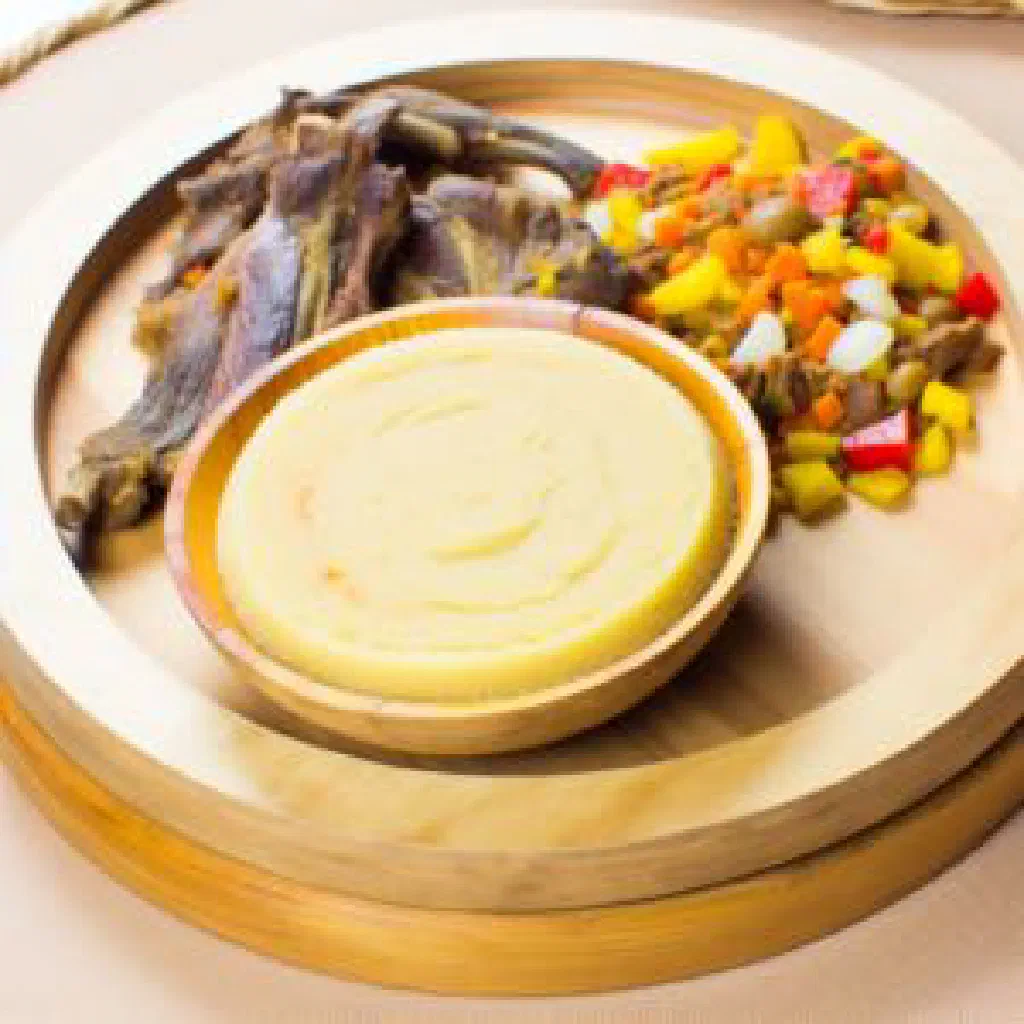
Presentation makes a real difference to how Tapé is received at the table. Use a large plate and arrange the Tapé in the centre, surrounded by fresh vegetables or herbs. Small individual portions on decorative plates create a more festive atmosphere. A drizzle of oil or a balsamic reduction as a garnish adds colour and helps the aromas stand out.
A bit of history
Tapé has deep roots in the culture of the Central African Republic. It has traditionally been passed down from one generation to the next and is often served at social celebrations and ceremonies. Preparing it is a communal activity in itself, with family and friends coming together around the pot. The dish reflects not only the culinary heritage of Central African Republic cuisine but the social values of the region as a whole.
More recipe ideas
Summary: Tapé
In short, Tapé is both a delicious meal and a culturally significant one for the Central African Republic. Built on a generous base of cassava, it is endlessly adaptable, letting every cook arrive at their own version. Tapé carries the flavours of Central Africa straight into your kitchen. Give it a go and discover just how much this unassuming dish has to offer.