National Dish Central African Republic: Tchakpalo (Recipe)
In this article
Discover Tchakpalo, a treasured speciality of the Central African Republic. Built on the gentle tang of fermented maize and the nutty warmth of millet, it is nourishing, deeply satisfying and steeped in tradition. Every batch carries the flavour of communal cooking pots and shared celebrations. Bring a genuine taste of Central Africa into your own kitchen with this straightforward recipe.
About Tchakpalo
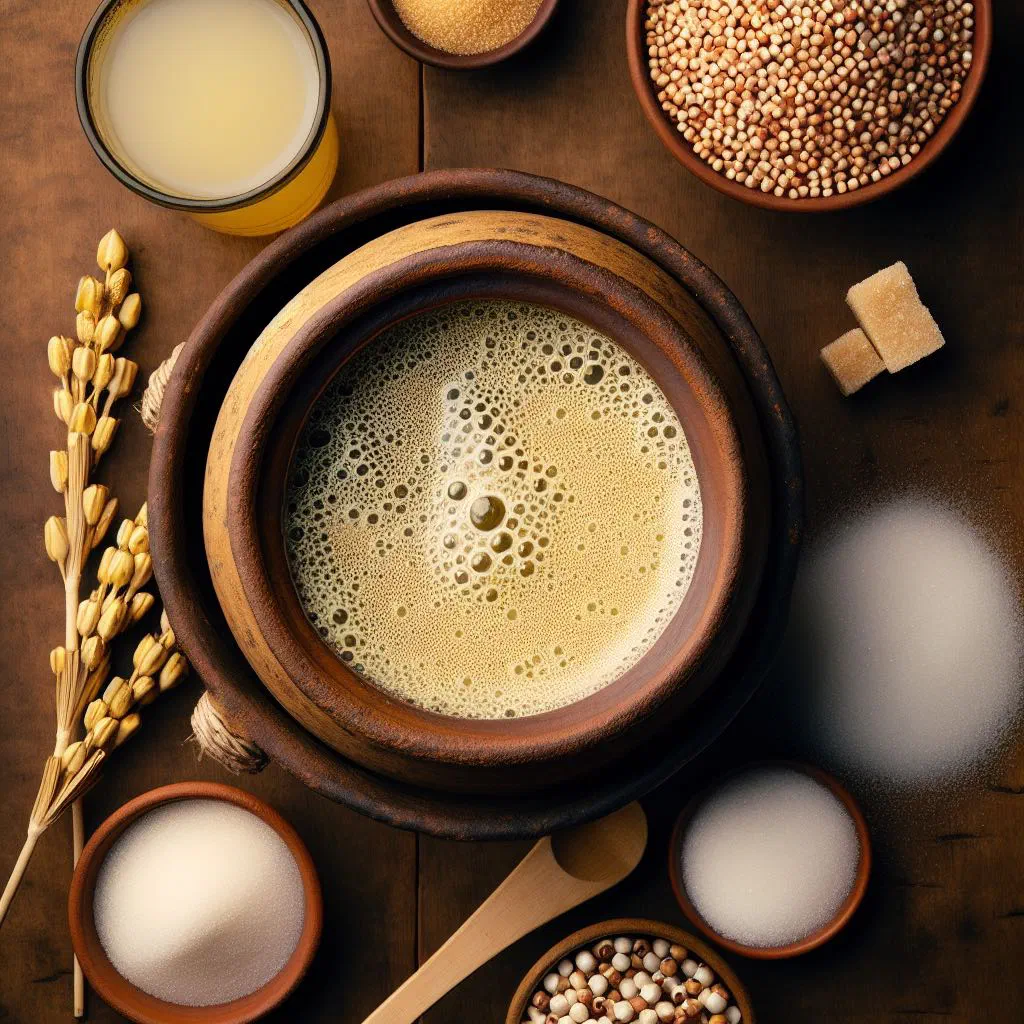
Tchakpalo is a traditional dish from the Central African Republic that brings together the flavours of fermented maize and millet. The combination yields something both nourishing and full of character, filling, wholesome and rich in cultural meaning. Tchakpalo is prized as a staple and appears at countless festive occasions and communal meals. Crucially, it is made with regional ingredients, which is exactly what makes it such an authentic taste of Africa.
Ingredients (serves 1–2)
- 200 g fermented maize
- 100 g millet
- 1 litre water
- Salt to taste
- Optional: spices such as pepper or ginger
Shopping for the ingredients
To make tchakpalo you will find the ingredients in most African or Asian grocery shops. The fermented maize is the heart of the dish, so it is worth investing in good quality. You can often source it from online retailers or local markets as well. When buying millet, check that it is fresh. That alone makes a noticeable difference to the finished flavour.
Preparing the dish
Preparing tchakpalo calls for a little patience, since the fermented maize is usually started several days in advance. The grains normally need to ferment before use, and this is what gives the dish its distinctive flavour. Check the shelf life of your ingredients before you begin. Fresh ingredients guarantee the best possible taste and improve the nutritional value of the finished dish.
Step-by-step instructions
- Cook the fermented maize and the millet together in a pan with the water.
- Bring the mixture to the boil, then reduce the heat and let it simmer for about 30 minutes.
- Stir occasionally so nothing catches on the base and the texture stays even.
- Season to taste with salt and any optional spices.
- Serve tchakpalo hot or lukewarm, perhaps with a side of vegetables or meat.
Gluten-free / lactose-free version
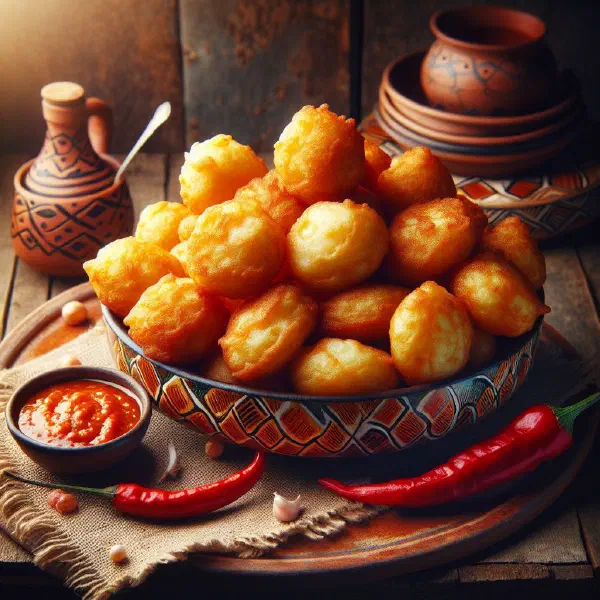
Because tchakpalo is made chiefly from maize and millet, it suits anyone with a gluten intolerance beautifully. Both grains are naturally gluten-free, which makes this a healthy option for a wide range of dietary needs. A lactose-free version needs no effort at all, since no animal products are involved. That makes it easy to enjoy a varied diet without restrictions, much like the naturally dairy-free Chips De Manioc.
Tips for vegans and vegetarians
Tchakpalo is naturally vegan, which makes it ideal for vegetarians and vegans alike. You can add vegetables or plant proteins such as beans or lentils to boost the nutritional content. Experiment with different spices or herbs to tune the flavour to your own liking. The dish leaves plenty of room for creative additions and personal touches.
More tips and tricks
When making tchakpalo, keep an eye on the texture as it cooks. You can adjust the consistency simply by varying the amount of water, giving you either a creamier or a firmer result. Leftovers keep very well and reheat nicely the following day. A food processor helps you blend the maize and millet thoroughly for the smoothest possible finish.
Adapting the recipe to your taste
Tchakpalo is a versatile dish that is easy to adjust to your personal preferences. Add dried fruit or nuts for a sweeter version, in the spirit of a Degue. Experiment with regional herbs and spices to bring in local flavours. That way your tchakpalo becomes not just nourishing but a genuinely distinctive eating experience.
Ingredient substitutions
If the specialist ingredients prove hard to track down, similar products will do the job. In place of fermented maize you might use lightly soured maize to achieve a comparable tang. For the millet there are alternatives such as quinoa or amaranth, which offer a similar texture. Maize-based dishes like Foufou De Mais show just how far these variations can take you.
Drink pairing ideas
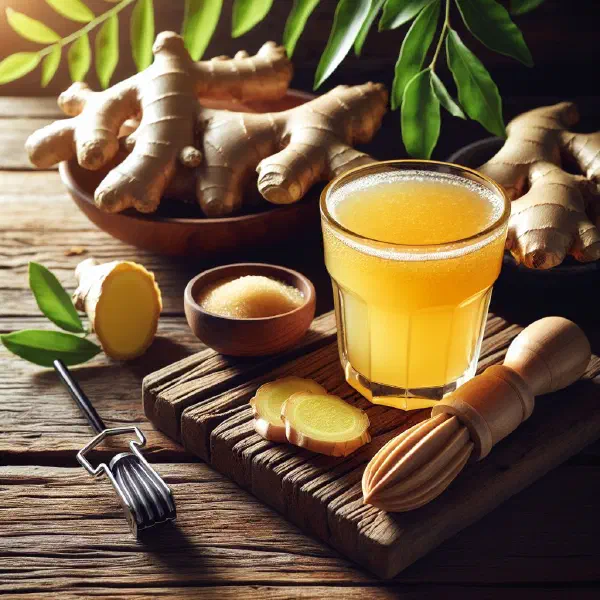
A number of drinks work well alongside tchakpalo and round the meal off nicely. Traditionally it is served with African fruit juices or herbal teas, both of which complement the flavours of the grain. For something refreshing, water with mint or lemon is a fine choice. A glass of Jus De Bissap makes for a particularly authentic pairing.
Serving and presentation ideas
An attractive presentation makes tchakpalo all the more appealing. Serve it on a large, shallow plate and garnish with fresh herbs or edible flowers. A generous bowl of fresh vegetables alongside adds a lively note to the table. Consider traditional African clay vessels for your serving ware, too, to underline the cultural side of the meal.
A bit of history
Tchakpalo has a long history in the Central African Republic and is a symbol of the region’s culinary tradition. It is often served at family gatherings and social occasions, underlining its role in community life. Fermented foods are valued across many cultures, not only for their nourishment but for the probiotics they provide. This bond with community and with the land makes tchakpalo a significant dish within Central African cuisine.
More recipe ideas
Summary: Tchakpalo
Tchakpalo is a delicious, nourishing speciality from the Central African Republic that brings together the flavours of fermented maize and millet. It reflects the rich culture and tradition of the region while offering a genuinely healthy choice. The dish is versatile enough to allow countless variations and adaptations, so it slots easily into any kitchen. Explore the possibilities and enjoy this authentic taste of Africa.