National Dish Chad: Aiyash (Recipe)
In this article
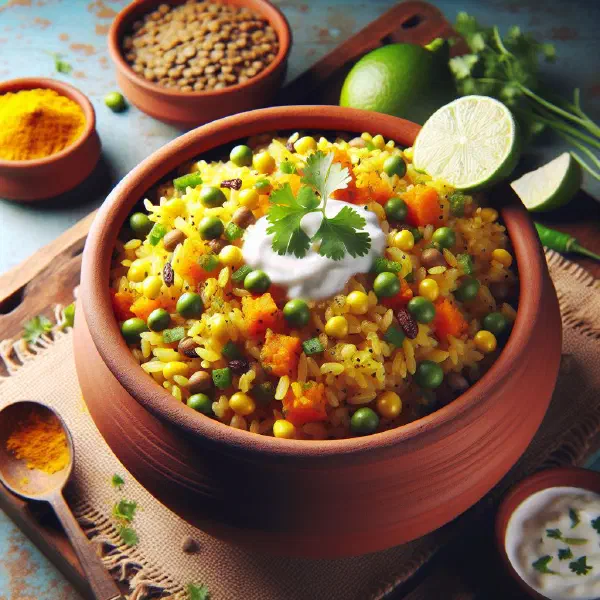
Meet Aiyash, a warming rice-and-bean dish from Chad that turns a handful of everyday storecupboard staples into something genuinely memorable. Softly cooked rice meets tender beans, onion and garlic, all lifted by cumin and paprika until the whole pan smells of a Central African kitchen. It is filling, forgiving and endlessly adaptable, equally at home on a quiet weeknight or in the middle of a big family gathering.
About Aiyash
Aiyash is a traditional Chadian dish that reflects the culinary richness of Central African cooking. The combination of rice, beans and a generous handful of spices creates a flavour that is hearty and nourishing in equal measure. In many households aiyash is made regularly and takes pride of place at family celebrations and other special occasions. Because it can be served with either meat or vegetables, it is a versatile dish that appeals to health-conscious cooks and enthusiastic eaters alike.
Ingredients (serves 1–2)
- 1 cup rice
- 1/2 cup beans (tinned or pre-cooked)
- 1 onion, finely chopped
- 2 cloves of garlic, chopped
- 1 teaspoon cumin
- 1 teaspoon paprika
- Salt and pepper to taste
- Optional: 200 g meat or vegetables of your choice
Shopping for the ingredients
To get the very best out of aiyash, it pays to choose fresh, good-quality ingredients. Most of what you need is available in ordinary supermarkets or in African and Asian grocery shops. Take particular care with the beans and the spices, since these carry most of the flavour. If you have a preference for it, organic produce is another way to make the finished dish that bit better for you.
Preparing the dish
Preparing aiyash is straightforward and takes hardly any time at all. Begin by rinsing the rice thoroughly, then bring it to the boil in a pan of water. While the rice cooks, drain the beans and finely chop the onion and garlic. Getting the remaining ingredients ready in advance speeds up the cooking and keeps everything running smoothly, so the aromas come through at their best.
Step-by-step instructions
- Bring the rice to the boil in a pan with 2 cups of water.
- Meanwhile, fry the onion and garlic in a little oil in the same pan until golden brown.
- Add the beans and the spices and stir well.
- Add the cooked rice and mix everything together thoroughly.
- Optional: stir in your chosen meat or vegetables to round the dish out.
- Simmer over a low heat for a few minutes so the flavours can come together.
Gluten-free / lactose-free version
Aiyash is naturally gluten-free, since it is built on rice. Simply avoid any additional ingredients that might contain gluten and use certified gluten-free spice blends where necessary. There is good news for anyone with a lactose intolerance too, as the recipe contains no dairy at all. That makes aiyash an excellent choice for a wide range of dietary needs and preferences.
Tips for vegans and vegetarians
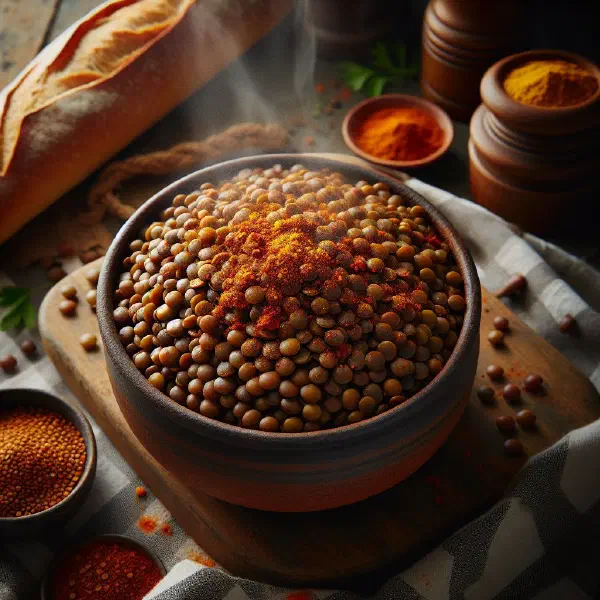
Vegan and vegetarian versions of aiyash are easy to put together. In place of meat, use a variety of vegetables such as courgette, peppers or carrots for a nourishing and flavourful meal. Add your favourite plant protein, tofu or seitan, for example, to boost the protein content, much as you would in a bowl of spiced Lentilles Aux Epices. Adjust the spices carefully to reach the flavour you are after.
More tips and tricks
The most important thing when cooking aiyash is to give the spices your attention. Experiment with different combinations and quantities until you find the balance that suits your palate. A slow-cooking method also helps the aromas develop with real intensity. Using local ingredients is another good way to give the dish a personal stamp while supporting the food producers on your doorstep.
Adapting the recipe to your taste
Aiyash is an extremely adaptable recipe. Feel free to shift the flavours to suit yourself by adding spices such as chilli or ginger for a bit of heat. You can also change the ratio of rice to beans depending on whether you want something more substantial or a lighter plate. The possibilities are more or less limitless, so every serving can be a fresh experience.
Ingredient substitutions
If you do not have every ingredient to hand, it really is not a problem. You could use quinoa instead of rice, for instance, for a different texture and nutritional profile. Chickpeas make a fine stand-in for the beans and are just as rich in protein and fibre. Vary the spices according to what is available and what you enjoy, so that aiyash always fits the way you cook at home.
Drink pairing ideas
A hearty dish like aiyash goes well with all sorts of drinks. Refreshing sparkling water or a fruity juice, a chilled glass of Jus De Bissap, say, makes a perfect partner for its savoury depth. Alternatively, a mild beer or a light red wine will round the flavour profile off nicely. Try a few combinations to work out your own favourite match.
Serving and presentation ideas
Presentation matters with aiyash, because it highlights both the aromas and the variety on the plate. Serve it in a large bowl to make sharing easy, or portion it out onto individual plates. A scattering of fresh parsley or coriander adds not only colour but a welcome note of freshness. Setting out extra sauces or chutneys alongside lifts the spread further and gives guests more flavours to explore.
A bit of history
Aiyash has its roots in the history and culture of Chad. The dish is a good example of what regional ingredients can do, and tells a story about tradition and the rhythms of daily life. Cooking and eating aiyash together underlines the importance of community and family gatherings, a thread that runs right through Chadian cuisine. In many Chadian households the dish is seen as far more than food. It is a symbolic act of togetherness.
More recipe ideas
Summary: Aiyash
Aiyash is more than just a dish. It is a small tour that captures the generous flavours of Central African cooking. With its range of ingredients and its many possible variations, it is ideal for celebrations and get-togethers. There is plenty of room for personal adjustment, so everyone can arrive at their own version. Sharing and enjoying aiyash enriches the palate and the sense of community around the table.