National Dish Chad: Daraba (Recipe)
In this article
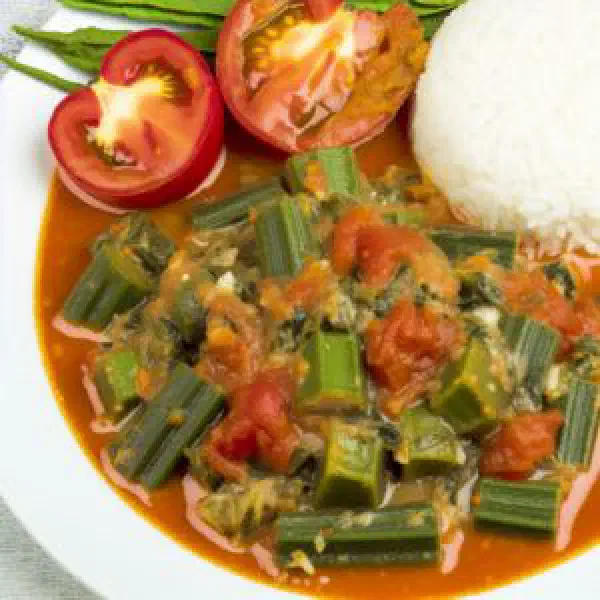
Meet Daraba, the fragrant vegetable stew that Chad has made its own. Silky okra, soft aubergine and sweet potato simmer together in a broth enriched with peanut butter, giving the pot a nutty depth that feels both nourishing and indulgent. It is a generous, colourful one-pot dish that asks very little of the cook and rewards you with the warm, earthy flavours of Central Africa.
About Daraba
Daraba is a delicious vegetable stew from Chad that wins people over with its variety of fresh produce and its warm, aromatic spicing. Daraba reflects the culinary culture of Chad and offers a flavourful way to enjoy African cooking at home, much like the peanut-rich Mafe that is loved across the region.
Ingredients (serves 1–2)
- 200 g aubergine, diced
- 100 g okra, sliced
- 1 medium sweet potato, diced
- 2 tomatoes, diced
- 1 small onion, finely chopped
- 2 cloves of garlic, crushed
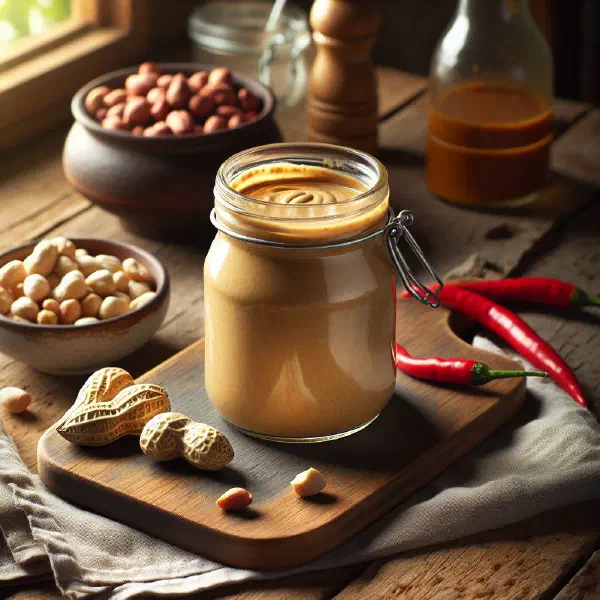
- 1 tablespoon peanut butter
- 500 ml vegetable stock
- 1 teaspoon curry powder
- Salt and pepper to taste
- A little vegetable oil for frying
Shopping for the ingredients
When shopping for daraba, it pays to buy fresh and, where possible, local vegetables. With the peanut butter, look for quality and a naturally nutty taste without additives. More unusual ingredients such as okra can often be found in specialist food shops or at international markets, and frozen okra works perfectly well if fresh pods are hard to come by.
Preparing the dish
Start by washing and cutting the vegetables. The aubergine, sweet potato and tomatoes should be cut into evenly sized cubes so that everything cooks at the same rate. Slice the okra into rounds. Finely chop the onion and garlic to build the aromatic base of the stew.
Step-by-step instructions
- Heat a little vegetable oil in a large pan and sweat the onion and garlic until translucent.
- Pour in the vegetable stock, add the peanut butter and stir until it has completely dissolved.
- Add the aubergine, okra, sweet potato and tomatoes along with the curry powder.
- Let the stew simmer gently for around 20 minutes, until the vegetables are tender.
- Season the daraba with salt and pepper to your taste and serve piping hot.
Gluten-free / lactose-free version
Daraba is naturally gluten-free and lactose-free, since the stew relies on vegetables, stock and peanut butter rather than flour or dairy. Simply check that your vegetable stock and curry powder are certified gluten-free, as some blends contain wheat-based fillers. Served with millet or rice instead of wheat bread, it makes an easy, worry-free meal for guests with intolerances.
Tips for vegans and vegetarians
This recipe is already vegetarian and entirely suitable for vegans. Do check, however, that your peanut butter is vegan and contains no added animal products such as honey or milk solids. Fresh, seasonal vegetables are what give the stew its character, so buy the best you can find and let their flavour lead the dish.
More tips and tricks
To deepen the flavour of daraba, add a pinch of smoked paprika towards the end of cooking. For a creamier consistency, increase the amount of peanut butter slightly and let the stew reduce a few minutes longer. A squeeze of lime just before serving lifts the whole pot and keeps the nutty richness in balance.
Adapting the recipe to your taste
The beauty of daraba lies in how easily it adapts. If you like things hotter, stir in a chopped chilli or a pinch of chilli flakes. Fans of leafy greens can add spinach or collard greens in the last few minutes of cooking, in the spirit of a hearty Kanda. Cook it looser for a soup, or reduce it further for a thick, spoonable stew.
Ingredient substitutions
If you cannot find okra, green beans make a good stand-in and keep the stew’s fresh bite. Pumpkin is also a wonderful alternative to sweet potato, adding sweetness and a lovely colour. Almond or cashew butter can replace the peanut butter if allergies are a concern, and the result is every bit as silky.
Drink pairing ideas
This aromatic dish goes beautifully with fresh fruit juices or a lightly chilled white wine. A cooling Sweet Green Tea or a glass of mint tea is equally refreshing and rounds off the meal nicely. Tart hibiscus drinks are another classic partner for the stew’s nutty warmth.
Serving and presentation ideas
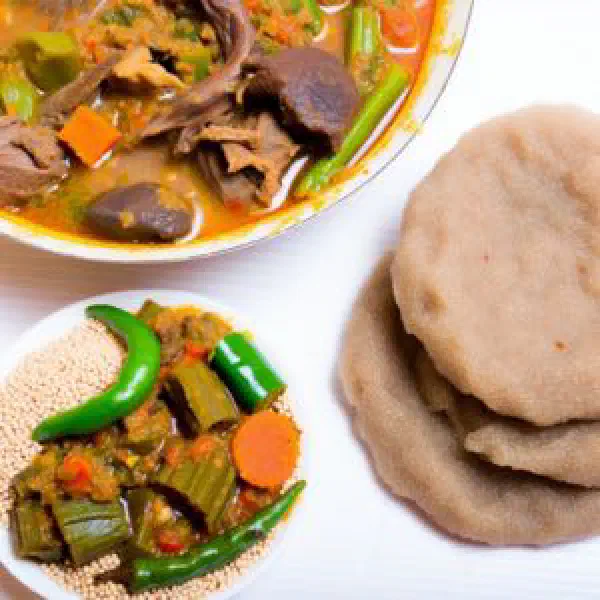
Serve daraba in an attractive deep bowl, garnished with fresh herbs and perhaps a few halved peanuts scattered over the top. A colour-matched underplate and rustic napkins help underline the traditional feel of the dish. Set a basket of flatbread or a mound of millet beside the pot so everyone can help themselves.
A bit of history
Daraba comes from Chad, a country whose many cultural influences have produced a rich and varied kitchen. In simple rural cooking in particular, stews are part of both everyday life and festive occasions, stretching seasonal produce into something generous. Daraba is an expression of that tradition, letting vegetables shine, and it sits comfortably among the great one-pot dishes of Chadian cuisine.
More recipe ideas
Summary: Daraba
Daraba is a versatile, nourishing and deeply aromatic stew that can be adjusted to almost any palate. With fresh ingredients and warm spices, it brings a note of Chad to your table and lets you enjoy a little culinary adventure at home. It is quick enough for a weeknight, generous enough for guests, and satisfying whether you serve it as a main course or as part of a larger spread. Give it a try, one pot is all you need.