National Dish Chad: Lablabi (Recipe)
In this article
Discover Lablabi, the warming chickpea soup that carries the flavours of Chad straight to your table. Gently spiced, generously herbed and deeply satisfying, it is the kind of bowl you reach for when the evenings turn cool. Simple, thrifty ingredients are transformed by a handful of well-toasted spices into something that tastes far richer than the shopping list suggests, and it brings a genuine slice of African food culture with it.
About Lablabi
Lablabi is far more than a plain chickpea stew. It is a flavour experience that captures the character of Chadian cooking. The soup is built on cooked chickpeas, spices and fresh herbs, making it perfect for cold days. Its warming quality and nourishing ingredients are a large part of why it is so well loved. Beyond the taste, it offers a glimpse of the region’s varied culinary traditions and of the sociable way in which meals are shared.
Ingredients (serves 1–2)
- 150 g chickpeas (dried or tinned)
- 1 onion
- 2–3 garlic cloves
- 1 teaspoon cumin
- 1 teaspoon paprika
- 1–2 fresh chillies (to taste)
- 1 litre vegetable stock
- Fresh herbs (coriander or parsley)
- Salt and pepper
Shopping for the ingredients
When shopping for lablabi, pay attention to the quality of the chickpeas. Freshly dried chickpeas give the best result if you have enough time for the preparation. If you are in a hurry, tinned chickpeas work perfectly well instead. The remaining ingredients, the spices and the fresh herbs in particular, should also be as fresh as possible to bring out the fullest flavour.
Preparing the dish
To make a really tasty lablabi, it is important to wash the chickpeas thoroughly and, if using dried ones, to soak them overnight. This improves the flavour and shortens the cooking time considerably. Chop the onion and garlic finely so that the aroma is distributed evenly through the pot. The interplay of the spices is what ultimately gives you an authentic lablabi, so take your time over this stage.
Step-by-step instructions
- Bring the chickpeas to the boil in a pan with the stock and simmer for about 30 minutes (only a few minutes if using pre-cooked chickpeas).
- In a separate pan, fry the onion and garlic in a little oil until translucent.
- Add the spices and toast them briefly to release their aromas.
- Tip the fried mixture into the pan of chickpeas and stir everything together well.
- Season the soup with salt, pepper and fresh chillies, then simmer for a further 10 minutes.
- Serve the lablabi in bowls and garnish with fresh herbs.
Gluten-free / lactose-free version
Lablabi is naturally gluten-free and lactose-free, provided you choose your ingredients accordingly. Use a fresh vegetable stock without gluten and check the spice blends for any gluten-containing additives. That makes the dish an excellent choice for anyone with an intolerance, and none of its wonderful flavour is lost in the process.
Tips for vegans and vegetarians
Lablabi is an ideal dish for vegans and vegetarians, since it contains no animal products at all. You can take the recipe further by adding extra vegetables such as carrots or spinach to boost its nutritional value. It is also worth serving it with a spoonful of plant-based yoghurt for a creamy note, much like the fresh, cooling counterpoint that works so well with Bissara. Small changes like these keep the dish both nourishing and varied.
More tips and tricks
To intensify the aroma of lablabi, it pays to grind the spices fresh just before adding them. This lifts the flavours and gives the dish a distinctive edge. Make sure you use enough liquid, too, so the soup turns out pleasantly creamy. For an even richer consistency, blend a ladleful of the cooked chickpeas towards the end and stir the purée back in.
Adapting the recipe to your taste
Lablabi is a very versatile dish that is easy to adjust to different palates. Experiment with different vegetables or additions to create new flavour combinations. You can also dial the heat up or down simply by using more or less chilli. That flexibility means everyone can enjoy lablabi in their own preferred version.
Ingredient substitutions
If you are not keen on chickpeas, you can replace them with other pulses such as lentils, which suit the dish just as well, as they do in a spiced Lentilles Aux Epices. For a gluten-free broth, simply use a vegetable stock without gluten-containing additives. You can also vary the herbs depending on what is available in your region or what you happen to prefer. These alternatives let you tailor lablabi precisely to your own taste.
Drink pairing ideas
Several drinks round off the lablabi experience nicely. A refreshing mint tea is a wonderful companion to this hearty soup, and a warming Thé au Gingembre works just as well. Alternatively, serve a cool alcohol-free drink or a lightly fruited water to balance the spices. The right glass does more than refresh. It complements the whole flavour range of the dish.
Serving and presentation ideas
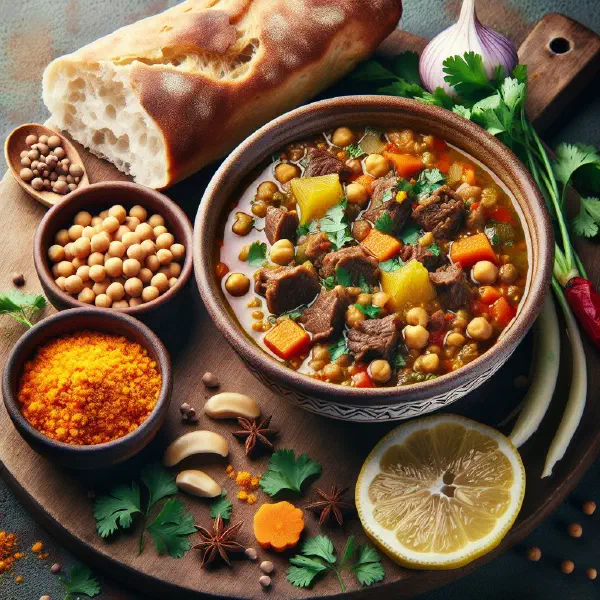
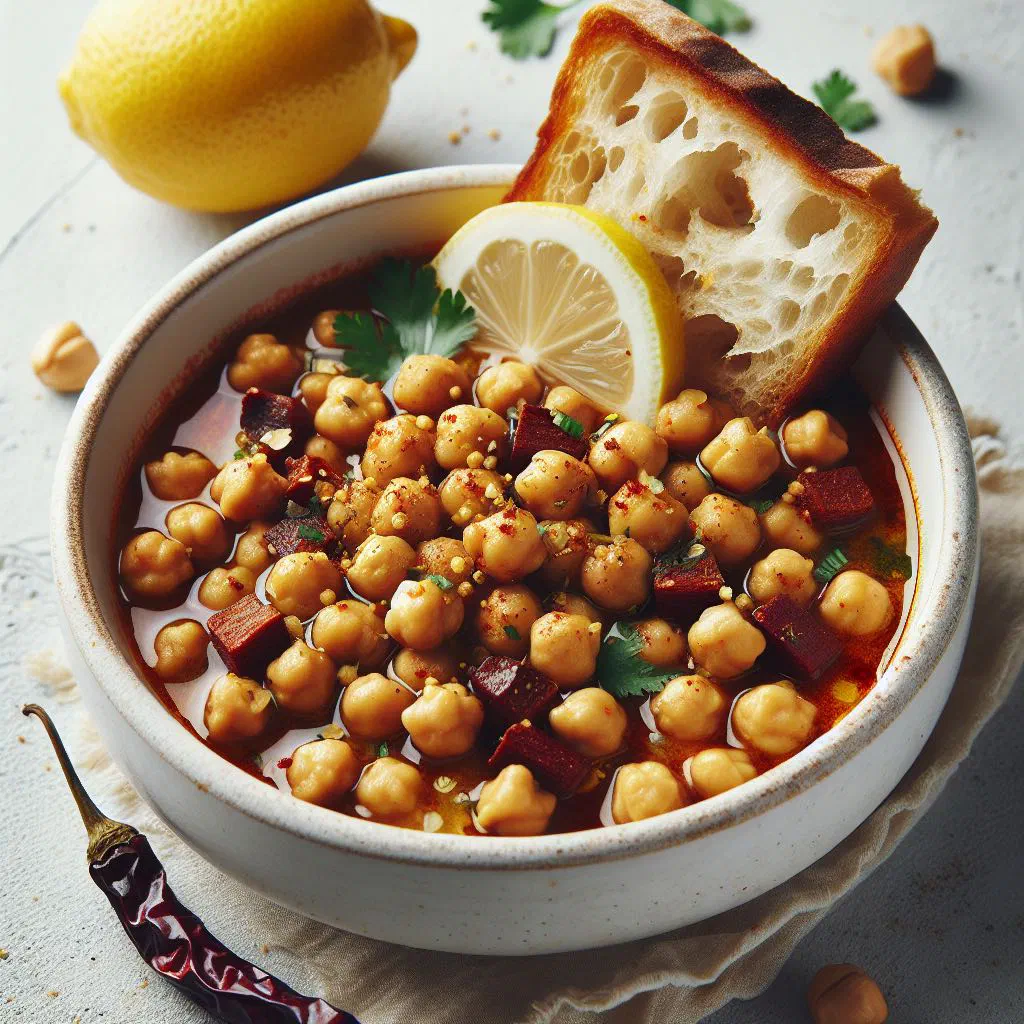
The presentation of lablabi benefits from a creative touch. Serve the soup in decorative bowls and garnish it with fresh herbs and a squeeze of lemon. Add some crusty bread for dipping, a warm Kissar is ideal for mopping up the last of the broth. An attractive presentation builds anticipation and turns the meal into something of an occasion.
A bit of history
Lablabi has its roots in the culture and traditions of Chad, where it has been prepared for generations. The chickpea has long been an important food source across many African countries. The dish reflects the cultural diversity and customs of Chad’s various ethnic groups, and it holds a firm place in Chadian cuisine. Lablabi is often served at communal celebrations, bringing families and friends together around one pot.
More recipe ideas
Summary: Lablabi
In short, lablabi is a rich and nourishing dish that wins people over with its flavour while also telling a cultural story. Its straightforward preparation and the versatility of its ingredients make it an ideal choice for all kinds of occasions. Whether as a quick lunch or a celebratory evening meal, lablabi brings a portion of African culture directly to the table. Discover the pleasure of this traditional dish and let its aromas work their magic.