National Dish Chad: Maboké (Recipe)
In this article
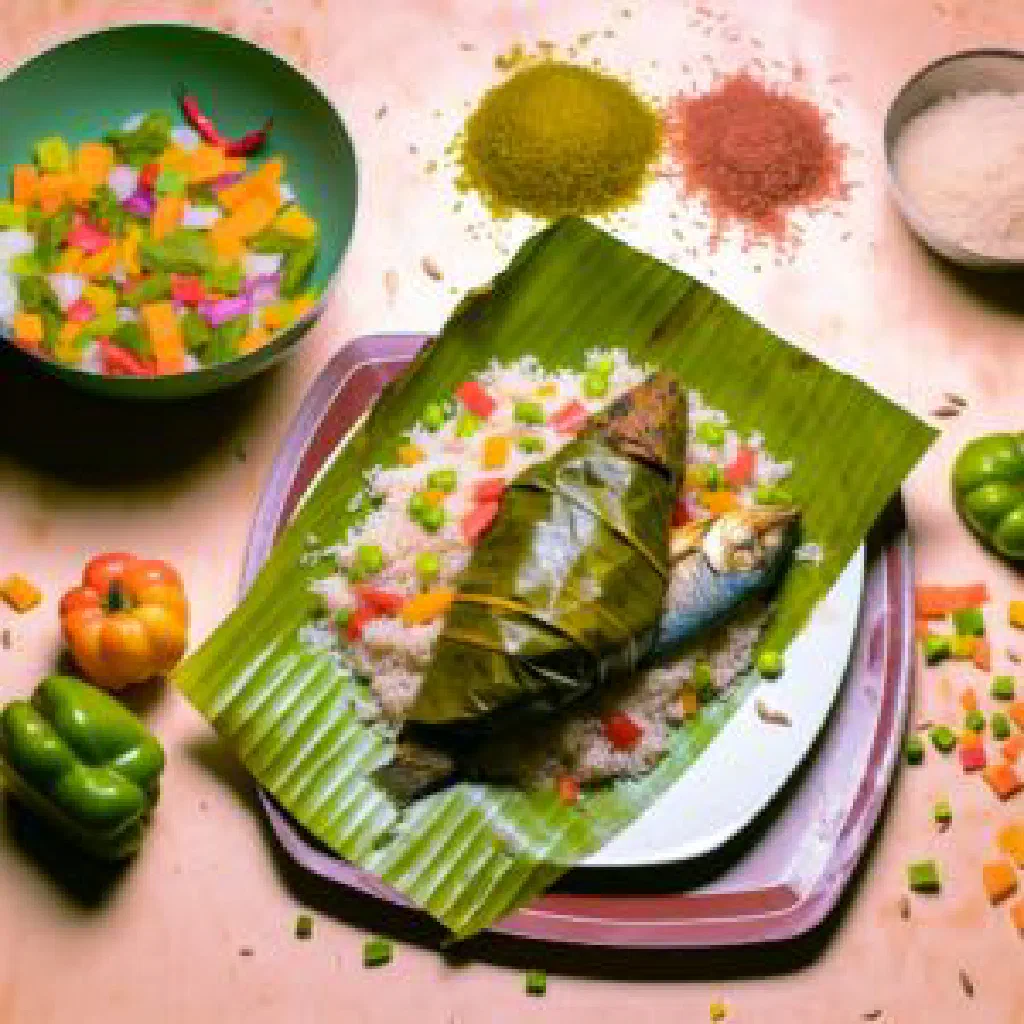
Meet Maboké, a gently steamed parcel of marinated fish or meat that ranks among Chad’s most treasured dishes. Everything is wrapped in banana leaves and cooked over steam, so the flesh stays tender and soaks up the spices while the leaves lend their own subtle, grassy perfume. It is simple cooking at its most rewarding, a little marinating, a neat fold, and half an hour later you have something that tastes of the Chari riverbanks.
About Maboké
Maboké is a traditional national dish from Chad, distinguished by its unusual aromas and its very particular method of cooking. Tender pieces of fish or meat are steeped in a spiced marinade built from local vegetables, herbs and spices. Wrapping the whole thing in banana leaves before steaming does more than hold it together: it perfumes the food and keeps the texture beautifully soft. Maboké is a fine example of the varied cooking of Chad and an easy way to enjoy a genuine piece of African culinary tradition at home.
Ingredients (serves 1–2)
- 300 g fish fillet or lean meat
- 2 banana leaves
- 1 onion
- 2 cloves of garlic
- 1 teaspoon paprika
- 1 teaspoon ground cumin
- Salt and pepper to taste
- 2 tablespoons vegetable oil
- Fresh herbs (parsley or coriander)
Shopping for the ingredients
Maboké calls for fresh ingredients, most of which are found in local markets. When buying the fish fillet or meat, look for good quality, as it sets the tone for the finished dish. Fresh herbs and spices are decisive for the aromatic marinade, so pick them with care. Pay particular attention to the banana leaves. They are essential to the recipe and do much of the flavouring work during steaming. Well-stocked African and Asian grocers usually keep them frozen, much as they do for a Poisson Braisé.
Preparing the dish
Preparation is the foundation of a good Maboké, and it is where the flavours and textures are decided. Begin by cutting the meat or fish into smaller pieces so the marinade penetrates evenly. Chop the onion and garlic finely so they distribute through the mixture rather than sitting in clumps. Mix everything together thoroughly so the aromas are properly absorbed and a harmonious base of flavour can build.
Step-by-step instructions
- Cut the fish fillet or meat into pieces and put them in a bowl.
- Add the onion, garlic, paprika, cumin, salt and pepper.
- Pour in the oil and mix well so the fish or meat is evenly coated.
- Leave the mixture to marinate for at least 30 minutes so the flavours work their way through.
- Warm the banana leaves briefly over a flame until pliable and easy to fold.
- Wrap the marinated mixture in the banana leaves and seal the parcels well.
- Place the parcels in a steamer and steam for around 30–40 minutes, until the fish or meat is cooked through.
Gluten-free / lactose-free version
For anyone with a gluten or lactose intolerance, Maboké is an excellent choice, since it contains neither by nature. Do check the labels on your spices and any prepared seasonings, however, as additives occasionally creep in and can undo an otherwise gluten-free dish. Beyond that, the marinade can be adjusted freely to taste using pure ground spices and fresh herbs. The pleasure of the dish stays entirely intact. No compromises required.
Tips for vegans and vegetarians
Although Maboké is traditionally made with fish or meat, vegan and vegetarian versions work very well. In place of the meat, use chunky vegetables such as aubergine and courgette, or firm tofu. They take on the marinade readily and give a texture close to the original. Prepared this way, vegetarians and vegans can enjoy the same lively flavours of Chadian cooking in a plant-based meal, much as they might with a bowl of Daraba.
More tips and tricks
To get the very best from your Maboké, a few extra pointers help. Experiment with different herbs and spices to tune the flavour to your own preference. You can also try different steaming set-ups, from a proper steamer basket to a heatproof sieve balanced over a pan of simmering water. Play with the marinating time too, a longer soak deepens the flavour noticeably. And use banana leaves that are as fresh as possible; they make a real difference.
Adapting the recipe to your taste
Maboké takes happily to personal tweaks. A chopped chilli in the marinade turns up the heat, while a lighter hand with the paprika and cumin gives a gentler, more delicate result. Some cooks add a little ginger or a squeeze of lime for brightness, others fold in strips of pepper for sweetness and colour. Adjust the balance until the parcel tastes exactly the way you want it to.
Ingredient substitutions
If you cannot get hold of everything Maboké asks for, there are useful alternatives. Chicken breast or lamb stands in for fish very neatly and makes an equally tasty parcel. In place of banana leaves you can use foil or purpose-made steaming pouches to trap the aromas, though the leafy fragrance will be missing. The right ingredients and their quality are what give Maboké its character, but knowing your substitutions keeps the recipe flexible.
Drink pairing ideas
The right drink rounds off a Maboké nicely. Across the region, light and refreshing choices are the norm, homemade lemonade or a tart hibiscus tea such as Jus de Bissap sit beautifully alongside spiced food. A dry white wine or a light lager also complements the flavours without overwhelming them. For an alcohol-free option, a fruity mocktail makes a lovely partner to the meal.
Serving and presentation ideas
Presentation is part of any good meal. Arrange the parcels on a handsome plate, open them at the table so the steam escapes in front of your guests, and scatter fresh herbs over the top. Colourful sides, mixed vegetables, a crisp salad, or a mound of Boule de Mil, add visual appeal and turn the dish into a full spread. A drizzle of oil or a squeeze of lemon at the side lifts the colours and makes everything more inviting.
A bit of history
Maboké has deep roots in Chadian culture and traditional cooking, a recipe handed down through generations and shared across communities. It was originally the food of fishermen working the rivers and the shores of Lake Chad, and it is regarded today as a symbol of Chadian hospitality. Even as international food gains ground, Maboké remains a much-loved dish that carries the spirit and tradition of Chadian cuisine in every ingredient.
More recipe ideas
Summary: Maboké
Maboké is a flavourful and traditional dish from Chad that wins people over with its spiced marinade and its distinctive method of cooking. It is not only a treat for the palate but a small tour, bringing the culture and aromas of Africa to the table. Maboké offers a fascinating experience well worth discovering.