National Dish Chad: Poisson Braisé (Recipe)
In this article
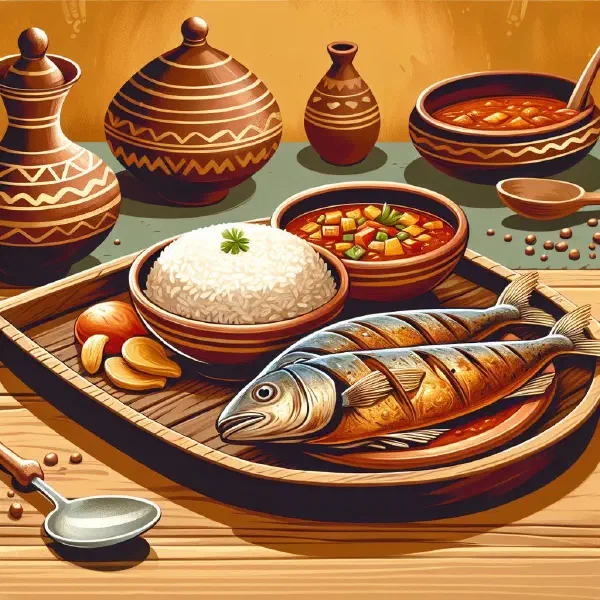
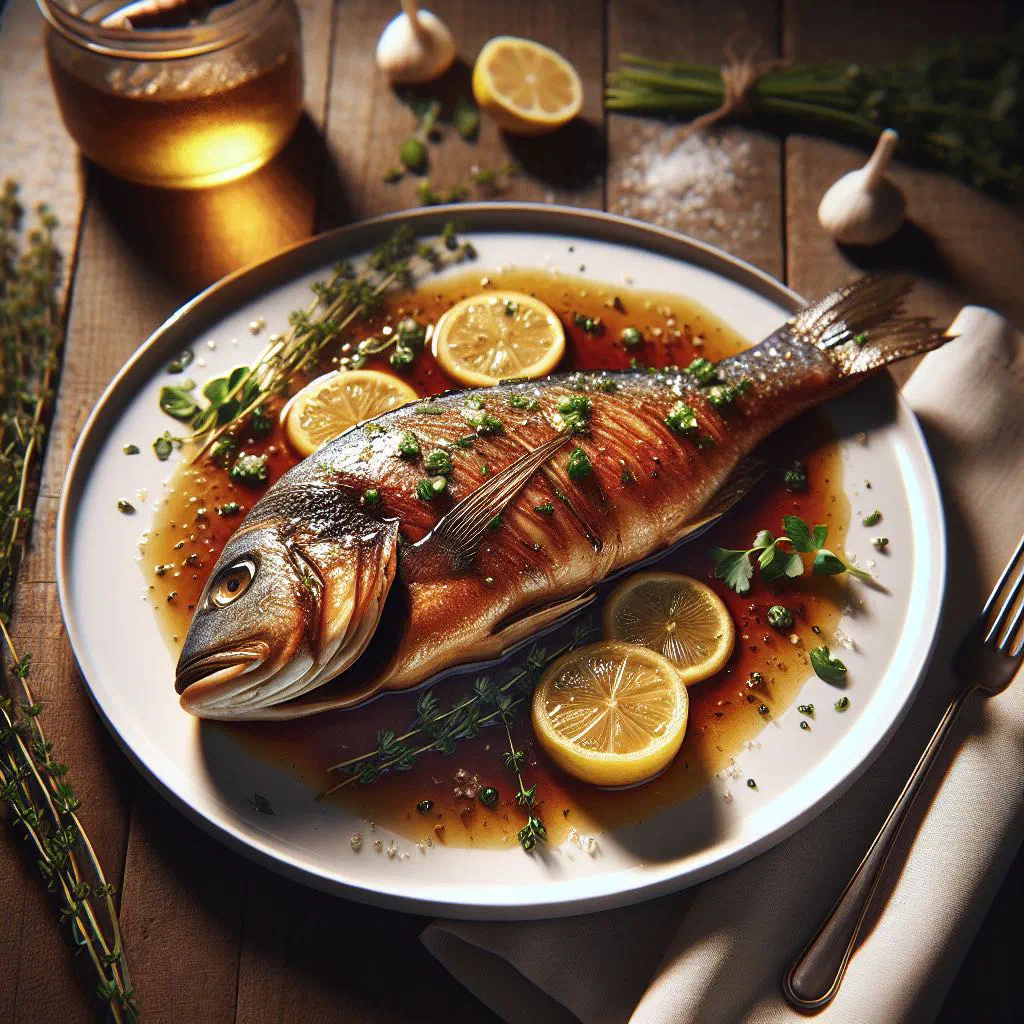
Discover Poisson Braisé, the national dish of Chad and a genuine feast for the senses. Whole fish is scored, steeped in a bright marinade of lime juice, garlic and chilli, then cooked over glowing coals until the skin crisps and the flesh stays meltingly tender. It is smoky, zesty and unfussy, the kind of food that draws a family around one plate. Bring the flavours of West and Central Africa straight to your own table.
About Poisson Braisé
Chad’s national dish, Poisson Braisé, brings together the fresh flavours of African river fish and a marinade that suits the whole family. This grilled fish dish owes much of its character to the art of cooking over an open flame, which deepens the aroma and gives the skin its very good char. It is not simply a meal but a piece of Chadian culture, served at gatherings large and small, and well worth trying at least once.
Ingredients (serves 1–2)
- 2 medium fish (sea bream or tilapia, for example)
- 2 limes (juice only)
- 3 garlic cloves, chopped
- 1 onion, finely chopped
- 1 teaspoon paprika
- 1 teaspoon cayenne pepper
- Salt and pepper, to taste
- Oil, for grilling
- Fresh herbs (coriander or parsley), to garnish
Shopping for the ingredients
The first step towards a good Poisson Braisé is sourcing the ingredients. Above all, buy fresh fish, since it is the heart of the dish and nothing else can disguise a tired fillet. Visit a local fishmonger or a trusted food shop to find the best specimens, and look for clear eyes and firm flesh. Choose the remaining ingredients fresh as well, so the aromas can develop fully, the same principle that makes a good Bouillon De Poisson sing.
Preparing the dish
Getting ready to cook Poisson Braisé is straightforward and rather enjoyable. First clean the fish thoroughly, then cut two or three slashes into each side so the marinade can penetrate the flesh. In a bowl, mix the marinade ingredients together: lime juice, garlic, onion, paprika and cayenne pepper. Leave the fish to marinate for at least 30 minutes so the flavours have time to work their way in.
Step-by-step instructions
- Preheat the grill and make sure the rack is clean.
- Rub the marinated fish with a little oil to stop it sticking.
- Lay the fish on the grill and cook for about 5–7 minutes per side, until cooked through.
- Turn the fish regularly during grilling so it cooks evenly.
- Once done, garnish with fresh herbs and serve hot.
Gluten-free / lactose-free version
The good news for anyone avoiding gluten or lactose is that Poisson Braisé is naturally gluten-free and lactose-free. The recipe calls for no wheat-based ingredients at all, and the fish is simply seasoned with fresh spices and herbs. Just be careful with shop-bought marinades, which often hide gluten or milk solids in the small print. Made from scratch, this aromatic dish can be enjoyed without a second thought.
Tips for vegans and vegetarians
Vegans and vegetarians can adapt Poisson Braisé without giving up any of the pleasure. Instead of fish, grill vegetables such as courgette, peppers or aubergine and treat them to exactly the same marinade. Another option is tofu or seitan, both of which soak up the marinade well and offer a satisfying texture on the grill. These versions let you enjoy the flavours of the dish with no animal products at all, much like a plate of Plantain Grille.
More tips and tricks
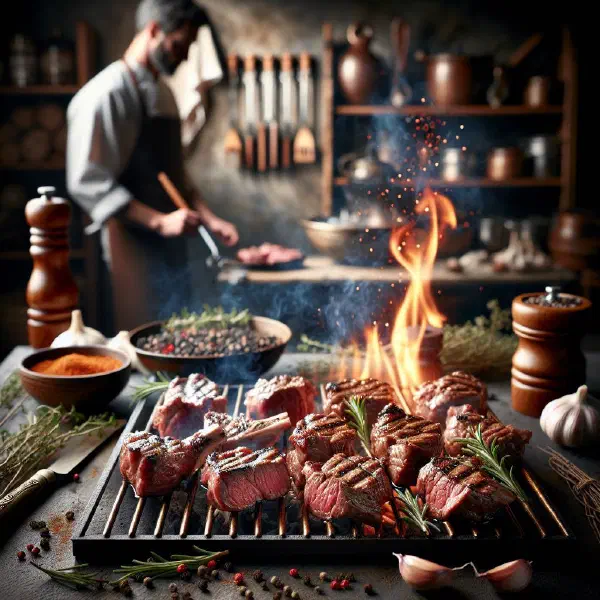
A few small things make a big difference here. Use charcoal rather than gas so the fish picks up a properly smoky aroma and tastes closer to the original. Take care not to overcook it, the flesh should stay juicy and just flake apart. You can also lay extra vegetables such as onions or tomatoes on the grill to turn the fish into a complete meal, and experiment with different herbs until you find your own signature.
Adapting the recipe to your taste
The best thing about Poisson Braisé is how easily it bends to personal preference. Vary the spices as you like, dial the heat up or down, or try other fresh herbs in the marinade. If garlic is not to your taste, leave it out entirely, the lime and cayenne carry the dish perfectly well on their own. Adjusting the recipe this way gives you a personal version that you and your guests will come back to.
Ingredient substitutions
If some of the ingredients for Poisson Braisé are not to hand, there is almost always an alternative. Frozen fish works in place of fresh, as long as it is thawed properly and patted dry before marinating. Where fresh herbs are unavailable, dried herbs can go into the marinade instead, though the flavour will be a little less bright.
Drink pairing ideas
The right drink lifts Poisson Braisé considerably. A crisp white wine or a lively rosé stands up beautifully to the spiced fish without overwhelming it. For alcohol-free options, fresh lemon juice, homemade lemonade or a chilled Jus De Bissap all echo the citrus in the marinade. Bear in mind that the cooking method influences the pairing too, so it is worth experimenting.
Serving and presentation ideas
Presentation can turn Poisson Braisé into an occasion. Serve the fish on a colourful platter and garnish it with fresh herbs and lemon slices. A few roasted vegetable sides add contrast in both colour and texture, and a starchy accompaniment such as Boule De Mil makes the meal properly filling. Give some thought to the table setting as well. It all contributes to a memorable meal.
A bit of history
The culinary roots of Poisson Braisé run deep in Chadian culture. Fish dishes are popular across much of West and Central Africa, and grilled fish has become a genuine local speciality in Chad, where the waters of Lake Chad and the Chari river have long supplied family kitchens. Traditionally the fish is cooked over an open fire, which gives it that unmistakable aroma. The dish carries not only good cooking but the traditions and customs of the country to the table, a fine introduction to Chadian cuisine.
More recipe ideas
Summary: Poisson Braisé
Poisson Braisé is a delicious discovery from the Chadian kitchen, impressive both for its flavour and for the simple, sociable way it is cooked. Made with fresh ingredients and a little care, it is the highlight of any meal, whether served at a family lunch or a gathering of friends. Let the variety and richness of these Central African flavours inspire you.