National Dish Chad: Soupe de Viande Séchée (Recipe)
In this article
Meet Soupe de Viande Séchée, the warming dried meat soup that sits at the heart of Chadian home cooking. Slowly simmered from sun-dried meat, everyday vegetables and a handful of fragrant spices, it is the kind of bowl that restores you on a cold evening and feeds a crowd without any fuss. Simple to put together yet full of depth, it turns an ordinary supper with friends and family into something quietly memorable.
About Soupe de Viande Séchée
Soupe de Viande Séchée is a much-loved traditional dish from Chad that pleases the palate and warms the soul in equal measure. The hearty soup is built on dried meat, fresh vegetables and a blend of aromatic spices that deepen as the pot simmers. On chilly days it is a genuine highlight, and because the method is so straightforward it lends itself perfectly to sociable evenings spent around the table with friends and family.
Ingredients (serves 1–2)
- 200 g dried meat (beef or lamb, for example)
- 1 onion
- 2 carrots
- 1 potato
- 1 litre vegetable stock
- 2 garlic cloves
- 1 teaspoon cumin
- Salt and pepper, to taste
- Fresh herbs (parsley or coriander)
Shopping for the ingredients
To make Soupe de Viande Séchée, look for your ingredients in a well-stocked supermarket or a specialist African grocery. It is worth choosing good-quality dried meat, since it shapes the character of the finished soup more than anything else. Where you can, pick up fresh, regional vegetables to intensify the flavours. Do not forget the spices and the fresh herbs, which give the soup its distinctive lift, the same care that pays off in a pot of Soupe de Gombo.
Preparing the dish
Getting Soupe de Viande Séchée ready is easy enough, but it does ask for a little time so the flavours can come fully into their own. Begin by cutting the dried meat into small pieces and soaking them in water for a few hours until they soften. Meanwhile, peel and chop the vegetables. Take particular care to chop the onion and garlic finely, as they form the flavour base of the whole dish. Good preparation keeps the cooking relaxed and the result reliable.
Step-by-step instructions
- Drain the soaked meat and brown it in a large pot with a little oil.
- Add the onion and garlic and fry until golden brown.
- Stir in the chopped vegetables (carrots and potato) and sauté briefly.
- Pour in the vegetable stock and add the spices.
- Bring the soup to the boil, then let it simmer gently over low heat for about 45 minutes.
- Scatter with fresh herbs before serving and adjust the seasoning as needed.
Gluten-free / lactose-free version
Soupe de Viande Séchée is naturally gluten-free and lactose-free, provided the stock you use contains no gluten. Choose a clear vegetable or meat stock that is expressly labelled gluten-free. Fresh vegetables and whole spices are gluten-free too, which makes this an easy dish to cook for anyone with an intolerance. It is a tasty option that suits a wide range of diets without any special effort.
Tips for vegans and vegetarians
There is a plant-based route to Soupe de Viande Séchée as well. Instead of dried meat, reach for protein-rich alternatives such as tofu, seitan or tempeh. Swap in a vegetable stock and lean on a broader mix of vegetables to build depth. With the right spices you can still land the savoury, well-seasoned character that defines the original, a trick that also works beautifully in Sauce d’Arachide.
More tips and tricks
To make Soupe de Viande Séchée even more flavourful, experiment with different spices and herbs. A little chilli brings welcome heat, while fresh thyme or rosemary deepens the aroma. The cooking time can be adjusted to suit the consistency you prefer: simmer it longer for a thicker soup. Let your instincts guide you until you find the version that fits your table best.
Adapting the recipe to your taste
Soupe de Viande Séchée adapts easily to personal preference and to whatever is in season. Seasonal vegetables such as courgette or beans add texture and nutrients, and different meats, chicken or pork, say, work well as long as they suit the overall flavour. Trying out a few combinations is the surest way to arrive at your own favourite version.
Ingredient substitutions
If a few ingredients for Soupe de Viande Séchée are missing, there are plenty of workable alternatives. In place of dried meat you can use fresh beef, or take the plant-based route described above. For the liquid, homemade stock is ideal, though a good instant stock does the job nicely too. That flexibility means the soup bends to what is available, much like the slow-cooked Ragoût de Viande.
Drink pairing ideas
Several drinks complement the hearty flavour of Soupe de Viande Séchée. A lightly chilled, mild beer or a fruity rosé wine both work well. For an alcohol-free option, a refreshing lemon and mint tea balances the soup’s savoury notes beautifully. It is worth trying a couple of pairings to find the combination you like best.
Serving and presentation ideas
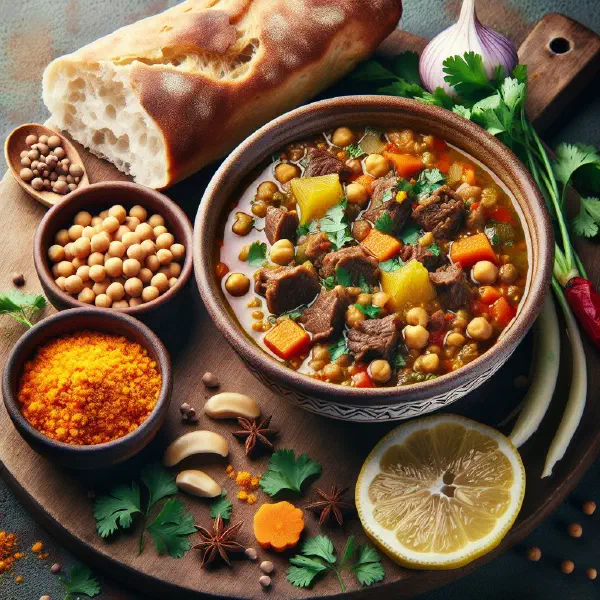
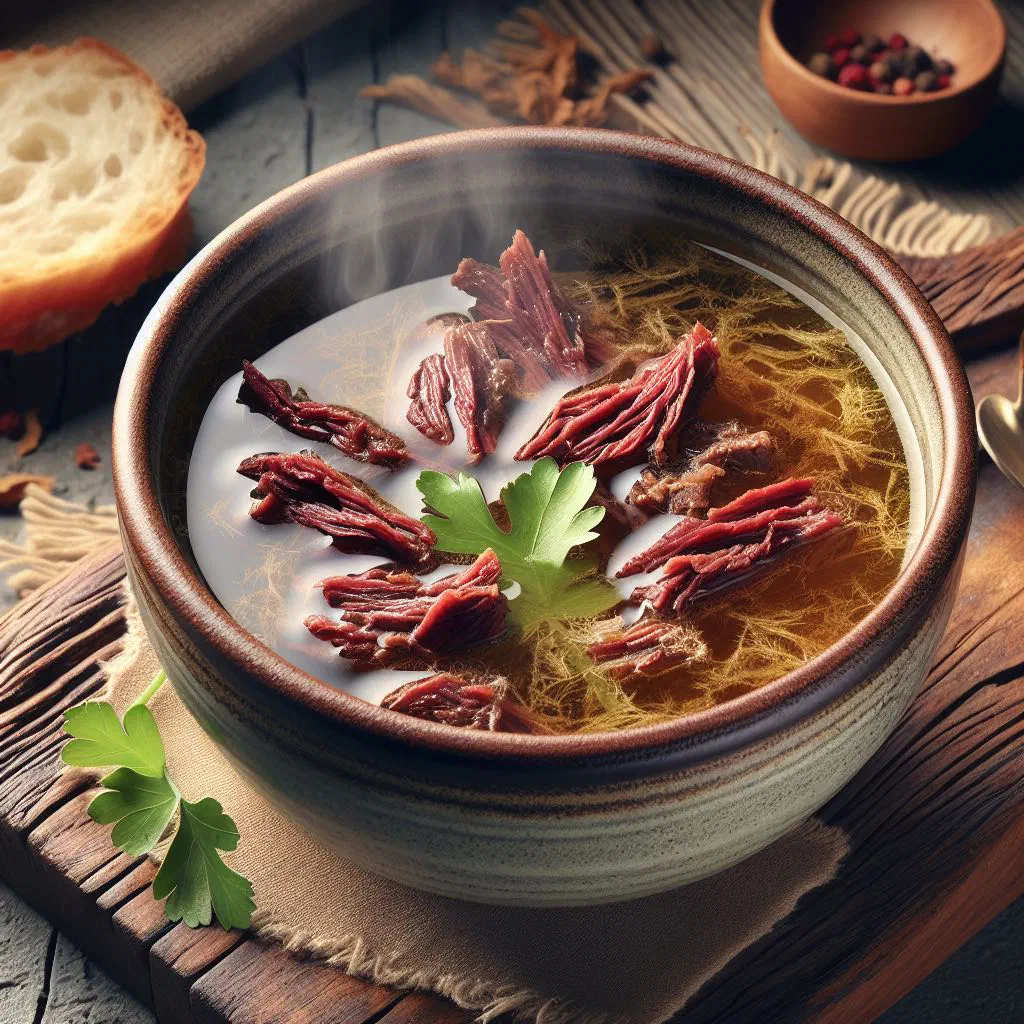
Thoughtful presentation can lift the whole Soupe de Viande Séchée experience. Serve it in large bowls and garnish with freshly chopped herbs for a splash of colour. A fresh baguette or flatbread on the side makes the meal that much more generous. Add a simple, attractive table setting and an everyday supper becomes an occasion.
A bit of history
Soupe de Viande Séchée is delicious and part of Chad’s rich culinary tradition. Drying meat dates back to a time when preserving food was a matter of survival, and the technique shaped countless dishes across the Sahel. Over the years this soup has become a symbol of hospitality and good company. In many parts of the country it is served at festivals and special occasions, drawing families and communities together, one of the warmest expressions of Chadian cuisine.
More recipe ideas
Summary: Soupe de Viande Séchée
In short, Soupe de Viande Séchée is a flavourful, nourishing dish from Chad that adapts readily to different tastes and diets. The combination of dried meat, fresh vegetables and generous spicing delivers a distinctive eating experience you will not easily forget. This soup brings a piece of Africa to your table. Give it a go and taste the difference for yourself.